


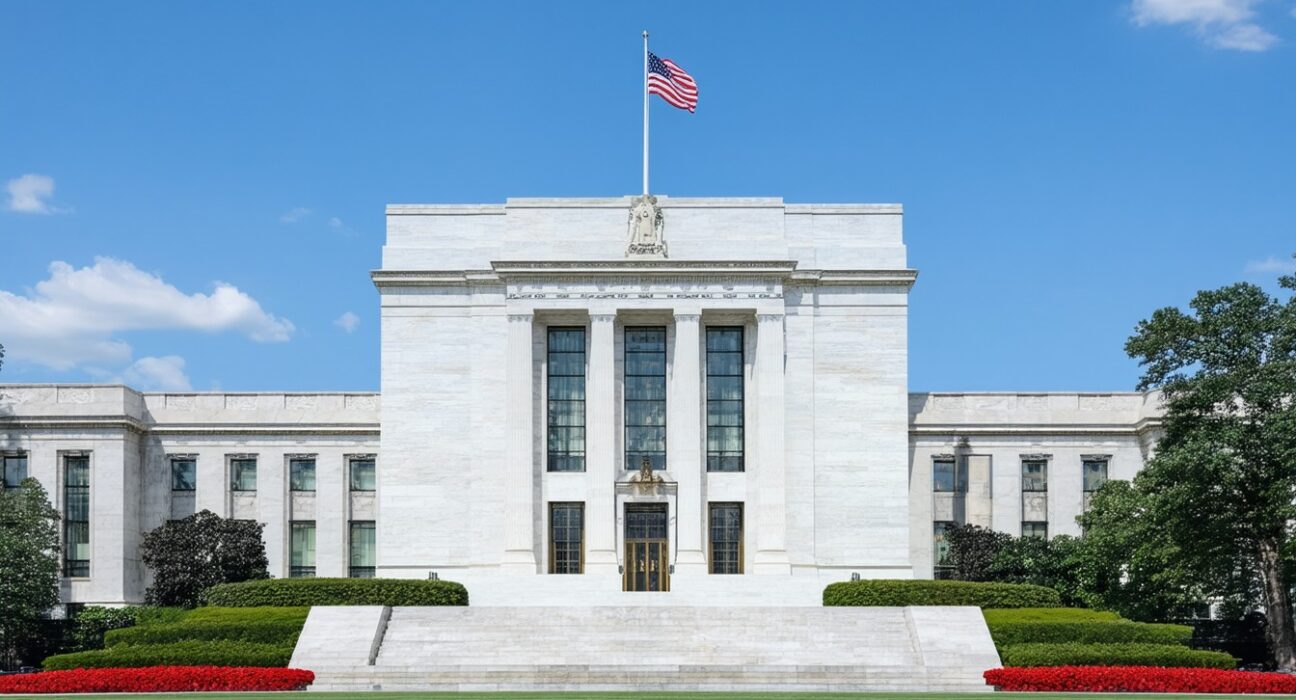
From Wall Street to Washington, few institutions wield as much fiscal influence as the US Department of the Treasury. Tasked with overseeing the nation’s economic health, collecting taxes, managing public debt, and safeguarding the country’s financial system, the US Treasury’s responsibilities touch all aspects of American life. As global markets react to Treasury decisions and citizens navigate tax deadlines, understanding this institution’s function is crucial for anyone interested in economics, governance, or personal finance.
Core Functions of the US Treasury
The Treasury’s scope ranges from age-old duties like minting coins to modern challenges such as combating money laundering. At its core, the Treasury administers the federal government’s finances, ensuring that funding flows smoothly—from payroll for government workers, to support for federal programs, to payments on the national debt.
Tax Collection and Revenue Management
The Internal Revenue Service (IRS), a bureau of the Treasury, is responsible for collecting federal taxes and enforcing tax laws. Every year, the IRS processes hundreds of millions of tax returns and channels trillions of dollars into government coffers. This revenue supports everything from national defense to social safety nets, making efficient tax collection fundamental to the country’s stability.
Debt Issuance and Management
Managing the nation’s debt is among the Treasury’s most consequential responsibilities. The Treasury issues a variety of securities—Treasury bills, notes, and bonds—to fund government operations. Investors worldwide view US Treasury securities as the gold standard for low-risk investments. This trust allows the US to borrow at favorable rates, which in turn helps finance budget deficits and manage liquidity in the global financial system.
Currency Production and Anti-Counterfeiting
Through the Bureau of Engraving and Printing and the United States Mint, the Treasury designs and produces the nation’s paper currency and coins. These agencies also deploy advanced technologies to deter counterfeiting and maintain the integrity of US money in circulation.
Oversight and Economic Policy Leadership
Beyond its day-to-day operations, the Treasury shapes the nation’s economic trajectory. Its leadership frequently collaborates with bodies such as the Federal Reserve, influencing policies that affect inflation, employment, and economic growth.
Regulatory Oversight
The Treasury oversees key regulatory agencies to ensure a stable financial marketplace. For example, the Office of the Comptroller of the Currency (OCC) supervises national banks and federal savings associations to maintain their safety and soundness.
“The Treasury is not only the steward of federal finances but also a guardian of the broader economic architecture,” notes Janet Yellen, the current Secretary of the Treasury. “Its responsibilities extend from the integrity of our currency to the security of our global financial relations.”
Sanctions and National Security
As global politics become more complex, the Treasury’s Office of Foreign Assets Control (OFAC) uses financial sanctions as a form of diplomatic leverage. By freezing assets and restricting trade of targeted entities or states, the US can exert significant pressure without the need for military intervention.
Financial Impact and Market Influence
The Treasury’s actions have ripple effects across domestic and international financial markets. Decisions regarding interest rates on US debt, the timing and size of bond auctions, or new financial regulations can impact the yield curve, global currency markets, and investor sentiment.
Case Study: The COVID-19 Response
During the early days of the COVID-19 pandemic, the Treasury played a pivotal role in stabilizing the economy. It helped design and deliver trillions in relief—direct stimulus payments, loans to small businesses, and support for key industries—in partnership with the Federal Reserve and Congress. These interventions were credited with averting a deeper economic crisis and underscored the Treasury’s capacity for crisis management.
Foreign Investment and Dollar Stability
US Treasury securities are a favorite for central banks and foreign investors seeking safe harbor. This trust in the US dollar and government debt strengthens the US position in global commerce and helps keep domestic borrowing costs relatively low. If confidence wavers, however, the consequences could include higher interest rates, capital outflows, and a weaker dollar.
Challenges and Evolving Responsibilities
Modernization efforts and technological innovations are reshaping how the Treasury operates. It faces ongoing challenges such as combating sophisticated cyber threats and addressing concerns about rising national debt.
Digital Currency and Financial Technologies
The rapid emergence of digital currencies and fintech platforms is prompting the Treasury to rethink regulatory frameworks. Balancing innovation with consumer protection is a delicate act, and the Treasury is collaborating with global partners and industry stakeholders to update legacy systems and guidance.
Public Debt and Fiscal Sustainability
With each new budget cycle, debates intensify over the sustainability of federal debt. The Treasury must navigate political pressures, rising interest costs, and economic shifts to ensure that borrowing remains responsible and that the nation’s long-term financial commitments are met.
Responding to Emerging Risks
Climate change, global instability, and cybercrime are bringing new responsibilities to the fore. The Treasury is now working with other agencies to incorporate climate risk into financial oversight and to defend the financial ecosystem against evolving threats.
Conclusion: Sustaining Confidence in US Economic Leadership
The US Treasury sits at the heart of the nation’s financial system, balancing tradition with innovation as it steers the country through challenges both old and new. Its decisions reverberate from local communities to international markets, underscoring its role as a pillar of fiscal stewardship and global economic stability. Building resilience, fostering transparency, and harnessing new technologies will remain ongoing priorities as the Treasury adapts to a dynamic world.
FAQs
What does the US Treasury do?
The US Treasury manages federal finances, issues debt, collects taxes, supervises currency production, and enforces financial laws. Its mandate supports economic stability and national security.
How does the Treasury affect interest rates?
While the Federal Reserve sets the benchmark interest rates, Treasury actions—such as issuing bonds—can influence broader market yields and the cost of borrowing for the government.
What are US Treasury securities?
These are debt instruments (like bills, notes, and bonds) used by the US government to raise funds. They’re considered among the safest investments globally.
Who leads the US Treasury?
The Treasury is led by the Secretary of the Treasury, a Cabinet-level position appointed by the President and confirmed by the Senate.
Why are Treasury decisions important internationally?
Because US Treasury securities are a foundation for global finance, actions by the Treasury can affect international trade, exchange rates, and economic growth worldwide.
How does the Treasury address modern risks like cyber threats?
The Treasury invests in cybersecurity and collaborates with other agencies and global partners to protect financial infrastructure and respond to evolving digital threats.