

The digital asset ecosystem continues to evolve rapidly, and within this constantly shifting landscape, NEAR Protocol stands out as a next-generation blockchain designed for scalability, usability, and developer empowerment. The NEAR price, updated live across global exchanges, captures a moment-to-moment reflection of demand, utility, and sentiment surrounding this ambitious platform. To understand NEAR’s market position and value, it’s crucial to look beyond the price chart—delving into the technology, tokenomics, and real-world adoption shaping its trajectory.
NEAR Protocol: An Overview of the Network and Its Token
NEAR Protocol positions itself as a layer-1 blockchain, aiming to overcome the throughput limitations and user experience hurdles that have constrained earlier public networks. Built for developers, NEAR features a sharded architecture, enabling high transaction throughput and lower costs. Its core innovations also include a user-friendly account model and progressive onboarding—features designed to boost mainstream adoption.
As the native token, NEAR serves multiple purposes:
– Powering transaction fees and computational activities
– Enabling staking and network governance
– Serving as collateral for decentralized applications (dApps) and DeFi protocols
Because NEAR’s utility is integrated at almost every layer of the ecosystem, shifts in network activity, dApp growth, or protocol upgrades directly impact the token’s price and broader market cap.
NEAR Price Movements: Key Factors Influencing Value
NEAR price dynamics are shaped by a convergence of intrinsic and external drivers. Beyond simple supply and demand mechanics, the following elements frequently influence NEAR’s valuation:
1. Ecosystem Development and Partnerships
Expanding partnerships and new dApp launches on NEAR often precede upticks in price as institutional and retail investors anticipate future growth. The protocol’s “Nightshade” sharding and support for Ethereum interoperability (via the Rainbow Bridge) have been pivotal in attracting new projects and liquidity.
For instance, significant NFT marketplaces and DeFi platforms have migrated to or incorporated NEAR, driving on-chain activity and raising the network’s profile in the wider blockchain community.
2. Broader Crypto Market Sentiment
Like most digital assets, NEAR is sensitive to the overall mood of cryptocurrency markets. Large-scale bullish runs—for example, those seen in Bitcoin’s price—can lift NEAR alongside dozens of altcoins. Conversely, risk-off environments or regulatory concerns often exert downward pressure.
3. Inflationary and Deflationary Mechanics
NEAR’s initial token supply followed a scheduled inflation model, rewarding validators and participants. However, as the protocol matures, elements such as token burns from transaction fees and increases in staking participation may shift the long-term supply-demand balance.
“The interplay between protocol upgrades, ecosystem utility, and broader crypto sentiment determines the real value behind NEAR—not just its day-to-day price action.”
— Crypto market analyst, DeFi Research Group
4. Community and Governance Developments
Upgrades enabled by NEAR token holder voting, changes to protocol governance, and new incentive programs can all influence investor confidence and, by extension, price stability.
Live NEAR Price Chart and Market Cap Insights
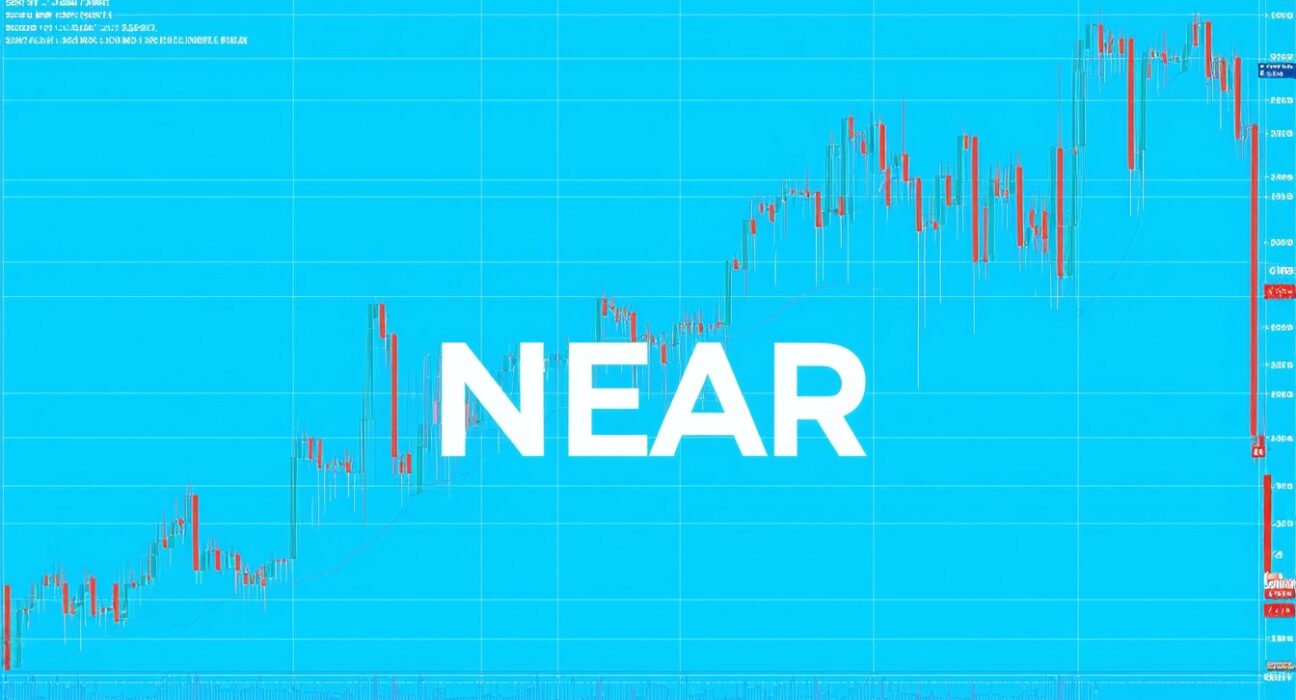
The live NEAR price chart offers a real-time perspective on trading activity, reflecting volatility driven by news cycles, major announcements, or network upgrades. Market cap, calculated by multiplying total circulating supply by the current price, serves as a snapshot of the protocol’s perceived value relative to other crypto assets.
Trading volume alongside price movements often acts as a barometer of investor interest. Sudden spikes may signal speculative fervor, news-driven momentum, or whale-sized transactions—while consistent volume growth is usually associated with rising adoption and deeper liquidity.
Real-World Example: Navigating Volatility
During periods of rapid protocol development or broader market turbulence, NEAR’s price has experienced both surges and pullbacks. For example, following a major DeFi protocol integration in 2023, NEAR saw a notable rally in both price and trading volume. However, subsequent profit-taking and macroeconomic uncertainty tempered gains—a familiar story in crypto markets.
NEAR Protocol Value: Beyond the Chart
While price tracking remains essential for traders and investors, the underlying value of NEAR depends on developer engagement, network performance, and user adoption. Several frameworks can help gauge the protocol’s health beyond market metrics:
Network Activity Indicators
- Daily active addresses: Measures user engagement and dApp usage
- Total Value Locked (TVL): Captures capital committed to DeFi protocols on NEAR
- Transaction throughput: Reflects network scalability and real-world utility
Increasing on-chain activity often translates into greater token demand, reinforcing price appreciation over time.
Developer Adoption
A vibrant developer ecosystem is critical. Hackathons, grant programs, and the ease-of-use of NEAR’s tooling have helped it gain a share of the next wave of decentralized projects, from gaming and NFTs to cross-chain DeFi solutions.
Security and Upgrades
The value proposition of NEAR is fortified by ongoing protocol upgrades aiming to improve efficiency and security. Transparent communication from the NEAR Foundation and a track record of responsible governance further build trust among investors and partners.
How to Track NEAR Price and Market Cap Effectively
For those interested in NEAR, staying updated requires more than glancing at price tickers. Reputable sources such as CoinGecko, CoinMarketCap, and official NEAR community dashboards offer comprehensive views of live charts, historical prices, market cap sizes, and transactional statistics.
Integrating these insights with social channels—Telegram, Twitter, and Reddit communities—helps triangulate both the data side and the sentiment dimensions that so often move crypto markets.
Conclusion: Navigating NEAR’s Growing Ecosystem
As the NEAR Protocol cements its place in the evolving world of blockchain infrastructure, its live price, market cap, and network growth metrics offer an ongoing pulse on adoption and utility. The project’s focus on developer experience and usability differentiates it from competing protocols, and its success can be measured not just in price, but in on-chain activity and ecosystem expansion.
Staying informed on NEAR’s project milestones, ecosystem partnerships, and live price movements is vital for both investors and users seeking to understand the protocol’s true, long-term value in the broader Web3 economy.
FAQs
What is NEAR Protocol and its native token used for?
NEAR Protocol is a scalable blockchain platform built to support decentralized applications. Its native token, NEAR, is used for transaction fees, staking, governance, and as collateral within the network’s DeFi and dApp ecosystem.
How is NEAR price determined?
NEAR’s price is set by open trading on global cryptocurrency exchanges, influenced by market demand, network activity, protocol upgrades, and broader crypto sentiment.
What factors can cause NEAR price volatility?
NEAR price fluctuates due to factors such as major network upgrades, new partnerships, macroeconomic trends, shifts in staking participation, and overall market sentiment.
Where can I view a live NEAR price chart and market cap?
Live NEAR price charts and market cap data are available on sites like CoinGecko, CoinMarketCap, and the NEAR Protocol’s official analytics dashboards.
Is NEAR Protocol considered secure and actively developed?
Yes, NEAR Protocol benefits from regular security audits, transparent governance, and an active developer community focused on making continuous improvements to the protocol.
How does NEAR compare to other layer-1 blockchains?
NEAR distinguishes itself through sharding for scalability, a user-friendly onboarding process, and strong cross-chain interoperability, positioning it as a competitive player among modern smart contract platforms.