


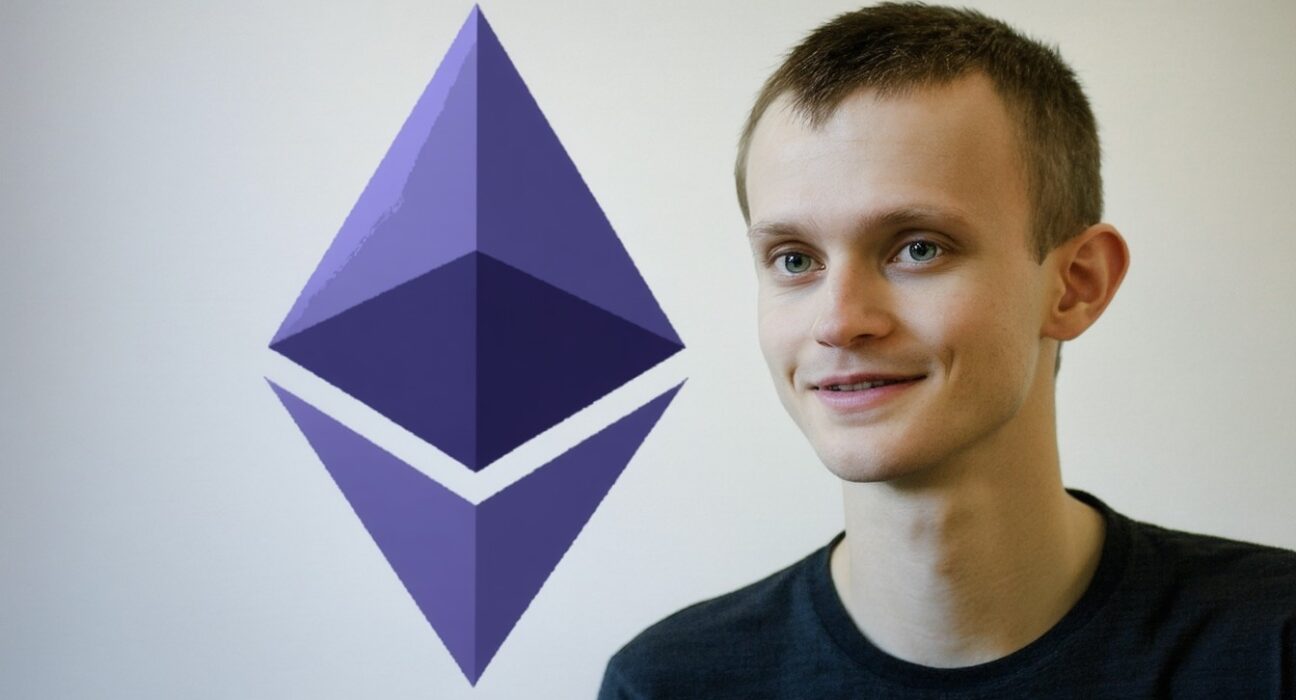
The intersection of blockchain technology and global finance has rarely seen figures as influential as Vitalik Buterin, creator of Ethereum. Since its 2015 launch, Ethereum has become a foundational layer for decentralized applications (dApps), non-fungible tokens (NFTs), and the explosive world of decentralized finance (DeFi). Buterin’s technical insights, philosophical musings, and relentless drive for equitable technology continue to steer not just Ethereum, but the broader blockchain ecosystem.
Vitalik Buterin: Visionary Origins and Early Impact
Vitalik Buterin’s introduction to Bitcoin as a teenager kindled a lifelong passion for distributed ledgers and the potential of programmable money. Frustrated by Bitcoin’s scripting limitations, Buterin proposed Ethereum as a more flexible blockchain platform—to serve as a “world computer” where developers could deploy any conceivable decentralized application.
This vision resonated deeply. Within months of publishing the Ethereum white paper, Buterin attracted a global coalition of core developers and early investors. Their collaboration catalyzed both technical and cultural waves:
– The introduction of smart contracts—self-executing code on the blockchain
– Enabling entirely new business models, from decentralized exchanges to blockchain-based gaming
Buterin’s role as both philosophical guide and rigorous technologist has proven vital. As blockchain journalist Laura Shin remarked:
“Vitalik Buterin is simultaneously Ethereum’s greatest innovator and its chief conscience, guiding its development with rare transparency and ethical foresight.”
Ethereum’s Evolution: From Proof-of-Work to Proof-of-Stake
In its infancy, Ethereum adopted proof-of-work (PoW), similar to Bitcoin. However, Buterin and the Ethereum Foundation soon identified the need for more sustainability and scalability. Years of R&D culminated in “the Merge,” Ethereum’s landmark transition to proof-of-stake (PoS) in 2022. This move slashed energy consumption by over 99%, addressing one of blockchain’s most persistent criticisms.
The Technical Leap Forward
- Proof-of-Stake: Instead of energy-intensive mining, network security is provided by validators who stake ETH.
- Result: Dramatic improvement in environmental footprint while maintaining decentralization and security.
But challenges remain. Ethereum is still wrestling with high transaction fees and network congestion during peak periods. Buterin acknowledges these hurdles but remains steadfast in his belief that solutions—such as sharding and layer-2 scaling strategies—can usher in widespread adoption.
Scaling Solutions and Layer-2 Innovation
Buterin has often championed modularity in blockchain design, arguing for layered solutions like rollups that process transactions off-chain before recording results to Ethereum’s base layer. This approach is already enabling lower fees and faster transactions on networks such as Optimism and Arbitrum, with strong uptake among DeFi projects.
Driving Crypto Innovation and Decentralized Trends
Ethereum today is much more than cryptocurrency. The protocol is a hub for innovation across NFTs, DAOs (Decentralized Autonomous Organizations), and programmable finance.
Non-Fungible Tokens: Blockchain’s Creative Renaissance
The NFT boom of 2021 and beyond would have been impossible without Ethereum’s ERC-721 standard. This template for unique, non-interchangeable tokens unlocked massive new markets for digital art, music, and collectibles. Artists, creators, and game studios now leverage Ethereum to engage global audiences in ways unimaginable just a decade ago.
Decentralized Finance: Challenging Old Guard Finance
Buterin envisioned open, permissionless markets long before DeFi became a household phrase. Today:
– Billions of dollars flow through lending protocols, stablecoins, and decentralized exchanges.
– Projects like Uniswap, Aave, and MakerDAO—built atop Ethereum—demonstrate tangible alternatives to traditional financial intermediaries.
These platforms have democratized access to financial services for people previously excluded from global markets. However, the perceived complexity and ongoing security vulnerabilities occasionally test the resilience of this ecosystem.
DAOs and the Birth of On-Chain Governance
Buterin has also advocated for DAOs, entities governed by smart contracts and collective stakeholder voting instead of centralized leadership.
Prominent examples include:
– MakerDAO and its community-driven policies for managing a decentralized stablecoin
– Gitcoin, supporting open-source development through decentralized grants
The DAO concept aligns closely with Buterin’s broader philosophy: transparent, bottom-up control of digital infrastructure.
Vitalik Buterin’s Thought Leadership on Blockchain Ethics
Buterin is as well-known for his technical contributions as for his measured commentary on crypto’s ethical dimensions.
On Responsible Innovation
He consistently warns against projects focused solely on speculation, urging developers to create meaningful, lasting value.
“The true potential of blockchain isn’t in minting quick fortunes or meme coins—it’s in building systems that are more transparent, fair, and empower individuals, especially those underserved by today’s institutions.”
Tackling Ethereum’s Challenges Head-On
Buterin does not shy away from Ethereum’s friction points. He addresses issues including:
– Regulatory uncertainty in major economies
– The risk of over-centralization among validator pools
– Barriers to access for users unfamiliar with crypto complexity
His pragmatic stance makes him both a powerful advocate and an unflinching critic of the industry’s shortcomings.
The Road Ahead: Ethereum and the Future of Decentralized Technology
Ethereum’s ongoing roadmap remains ambitious. Core scaling initiatives, such as Danksharding and more efficient layer-2 rollups, hold the promise of serving a global user base—potentially rivaling traditional internet infrastructure.
Buterin’s unique leadership style, marked by open dialogue and willingness to pivot, continues to draw respect across the sector. As new competitors emerge and regulatory debates intensify, Ethereum’s future will likely hinge on its ability to balance agility with stability, inclusiveness with security.
Conclusion
Vitalik Buterin’s influence on blockchain extends far beyond Ethereum itself. By blending sharp technical insight with ethical introspection, he has catalyzed a revolution in digital ownership, finance, and governance. As the boundaries of blockchain innovation expand, Buterin’s vision offers both a compass and a challenge: to use these tools not solely for profit, but to build resilient, equitable systems for all.
FAQs
Who is Vitalik Buterin and what is his role in Ethereum?
Vitalik Buterin is a Russian-Canadian programmer and the principal creator of Ethereum. He designed Ethereum as a decentralized platform for smart contracts and continues to guide its technical and philosophical direction.
How did Ethereum’s switch to proof-of-stake impact the network?
The transition from proof-of-work to proof-of-stake drastically reduced Ethereum’s energy consumption and positioned it as a more sustainable blockchain network. It also set the stage for future scalability improvements.
What major innovations has Ethereum enabled?
Ethereum is the origin point for smart contracts, non-fungible tokens (NFTs), decentralized finance (DeFi), and DAOs, making it a central platform for blockchain-based innovation beyond simple cryptocurrency transactions.
Why are layer-2 solutions important for Ethereum?
Layer-2 technologies such as rollups help Ethereum process more transactions at lower cost by shifting some activity off the main blockchain. This is essential for supporting mass adoption without sacrificing security.
What challenges does Ethereum still face?
Ethereum continues to confront issues like network congestion, high transaction fees during peak periods, and regulatory scrutiny. Ongoing technical upgrades and a vibrant developer community are focused on addressing these challenges.
How does Vitalik Buterin influence the ethical direction of the crypto industry?
Buterin regularly advocates for responsible use of blockchain technology and stresses the importance of creating solutions with real social value, not just speculative gains. His public commentary often shapes community standards on inclusiveness and transparency.