


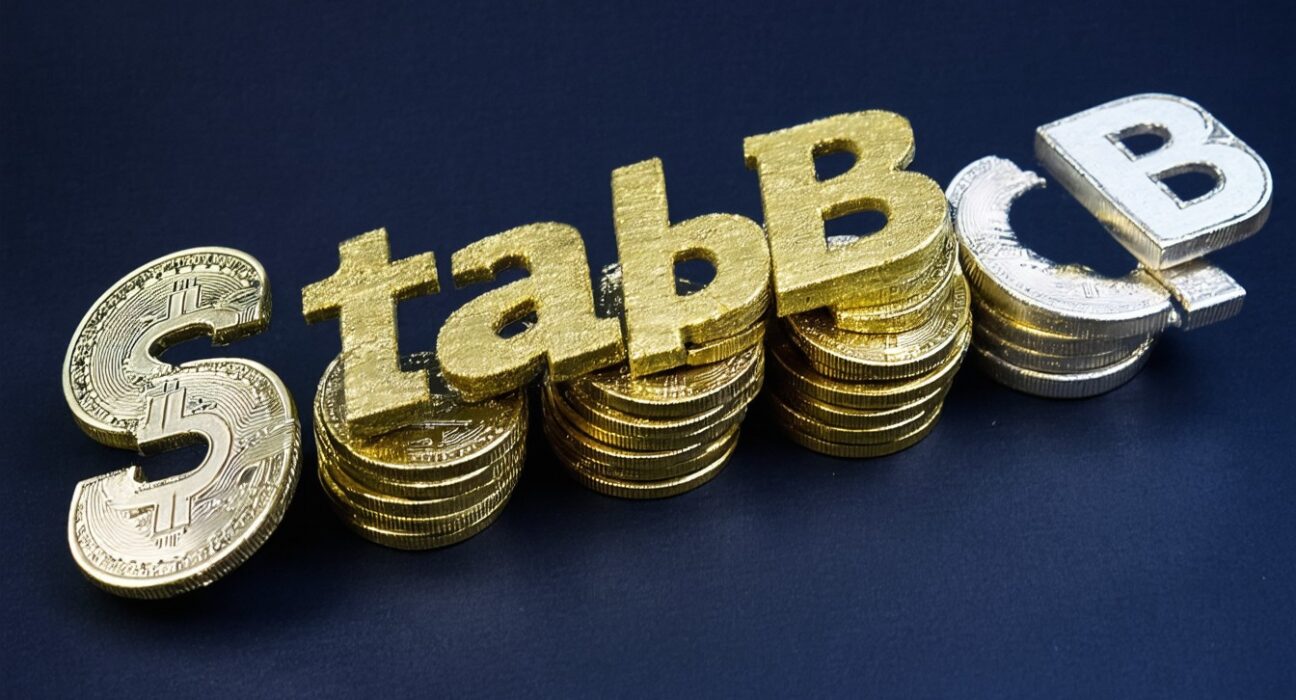
As the cryptocurrency landscape matures, the demand for reliability and predictability grows ever stronger. Amid the volatility traditionally associated with digital assets, stablecoins have emerged as a crucial bridge between the decentralized world of blockchain technology and the stability of national currencies. Their rise signals not just a technical innovation, but a fundamental shift in how people approach money, value, and cross-border finance.
What Is a Stablecoin? Defining the Digital Dollar
Stablecoins are a subset of cryptocurrencies uniquely designed to maintain a consistent value, typically pegged to a stable asset like the US dollar or euro. Unlike Bitcoin or Ethereum, whose prices can swing dramatically within hours, stablecoins aim for remarkable price stability—often tracking their underlying assets at a 1:1 ratio.
There are several types of stablecoins, each employing a distinct mechanism to preserve value:
- Fiat-collateralized stablecoins: Backed by reserves of traditional currency (e.g., USDC, Tether/USDT).
- Crypto-collateralized stablecoins: Secured by crypto assets, with over-collateralization and smart contracts ensuring price stability (e.g., DAI).
- Algorithmic stablecoins: Use software algorithms to manage supply and demand, seeking equilibrium without tangible backing (e.g., historically, TerraUSD).
These structures allow stablecoins to serve as digital stand-ins for government-issued money while retaining the transferability and programmability of blockchain-native assets.
How Do Stablecoins Work? Unpacking Their Mechanisms
The mechanics behind stablecoins can be grouped based on their collateralization models and the technology that underpins them.
Fiat-Collateralized Models
Fiat-backed stablecoins such as Tether (USDT) and USD Coin (USDC) maintain reserves in bank accounts or other traditional financial institutions. For every token in circulation, there is a corresponding US dollar (or another fiat asset) held in reserve. Users can exchange tokens for real currency, with issuers subject to varying degrees of regulatory oversight and public audit.
“The trustworthiness of fiat-backed stablecoins depends not just on the technology, but on robust third-party audits and transparency regarding underlying reserves.”
— Blockchain policy advisor
Crypto-Collateralized Approaches
Platforms like MakerDAO issue stablecoins (e.g., DAI) by having users lock up volatile cryptocurrencies as collateral in smart contracts. These systems require a higher collateral ratio—sometimes 150% or more—to guard against rapid price drops. Automated protocols liquidate collateral if the value falls below mandatory thresholds, defending the peg.
Algorithmic and Hybrid Models
Algorithmic stablecoins operate without traditional collateral, using smart contracts to expand or contract token supply in response to market conditions. TerraUSD’s failure in 2022, which saw its peg break spectacularly, is a cautionary case study: algorithmic systems can unravel under stress, highlighting both the innovation and risk unique to decentralized finance.
Hybrid models are emerging which blend different strategies, striving for an optimal mix of stability, scalability, and decentralization.
Real-World Applications of Stablecoins
The use cases for stablecoins stretch far beyond speculation. Their core utility lies in addressing some of the most persistent pain points in global finance.
International Payments and Remittances
Stablecoins enable near-instant, low-cost cross-border transfers. Traditional wire transactions may take days and incur high fees, but stablecoins settle within minutes—and often at a fraction of the cost. This leverages blockchain’s efficiency without exposing users to wild price swings.
Decentralized Finance (DeFi)
A significant share of DeFi applications rely on stablecoins as the foundational currency. Lending platforms, automated market makers, and savings protocols use stablecoins to denominate contracts and mitigate risk. For example, billions of dollars are locked in DeFi protocols with stablecoins providing the backbone for borrowing and lending markets.
E-Commerce and Payroll
Businesses are beginning to experiment with stablecoin-based payments, especially in regions with inflationary fiat currencies or underbanked populations. E-commerce merchants, freelance platforms, and even some payroll systems now offer options to pay or get paid in stablecoins, allowing global participation without dependency on volatile exchange rates or slow settlements.
Key Benefits of Stablecoins
Stablecoins address several of crypto’s traditional weaknesses while unlocking new opportunities.
Reduced Volatility
By pegging value to less-volatile assets, stablecoins minimize the financial whiplash common with most cryptocurrencies. This stability is essential for payments, savings, and contracts that require predictable value storage.
Faster, Cheaper Transactions
Blockchain-based stablecoins bypass the intermediaries of legacy banking, reducing processing times from days to minutes. Transfer fees are often mere pennies, compared to the significant charges for wire transfers or remittance companies.
Financial Inclusion
Stablecoins offer an accessible, borderless alternative for people underserved by conventional banks. All that is required is a smartphone and an internet connection—a game changer in emerging economies and conflict zones.
Programmable Money and Innovation
Stablecoins can be embedded within smart contracts to automate complex transactions such as escrow, recurring payments, or decentralized business logic. Innovations in decentralized finance (DeFi), tokenized securities, and on-chain real estate all increasingly depend on stablecoins for operational certainty.
Challenges and Points of Caution
Despite their advantages, stablecoins are not without risks and complexities.
- Regulatory Uncertainty: Governments and regulatory bodies worldwide are still developing comprehensive frameworks for stablecoin oversight. Concerns range from anti-money laundering to systemic risk.
- Reserve Transparency: Periodic controversies have emerged around the sufficiency and verification of reserves backing major fiat-collateralized stablecoins.
- Smart Contract Risk: Algorithmic and crypto-collateralized models are susceptible to coding flaws and unpredictable market behavior.
The collapse of TerraUSD demonstrated how algorithmic mechanisms, when stress-tested by market volatility, can fail spectacularly—resulting in billions of dollars in losses.
Conclusion: The Evolving Role of Stablecoins in Digital Finance
Stablecoins have rapidly cemented themselves as a vital pillar of the crypto and global financial ecosystem. Their blend of digital-native convenience and asset-backed stability addresses real-world pain points from international payments to financial inclusion. Still, as regulation evolves and technological design matures, ongoing diligence is essential—transparency, sound collateralization, and robust governance remain key to their continued trustworthiness and adoption.
FAQs
What is the main purpose of a stablecoin?
Stablecoins are designed to provide the price stability of fiat currencies within the digital economy, making them useful for payments, savings, and decentralized finance.
How are stablecoins different from Bitcoin and other cryptocurrencies?
Unlike Bitcoin, which can fluctuate significantly in value, stablecoins maintain a steady price by pegging their value to assets like the US dollar or euro, making them practical for everyday transactions.
Are stablecoins regulated?
Regulatory oversight of stablecoins varies by country and by the type of stablecoin. Many fiat-backed stablecoins face regulatory scrutiny, but the space is still evolving and lacks uniform global rules.
Can stablecoins lose their peg?
While most stablecoins aim for a 1:1 value ratio with their underlying asset, failures in design, insufficient collateral, or market shocks can lead to a loss of the peg, as seen in some algorithmic stablecoins.
What are the risks of using stablecoins?
Potential risks include lack of transparency around reserves, susceptibility to hacking (for smart contract-based coins), and shifting regulatory landscapes, all of which can affect trust and usability.