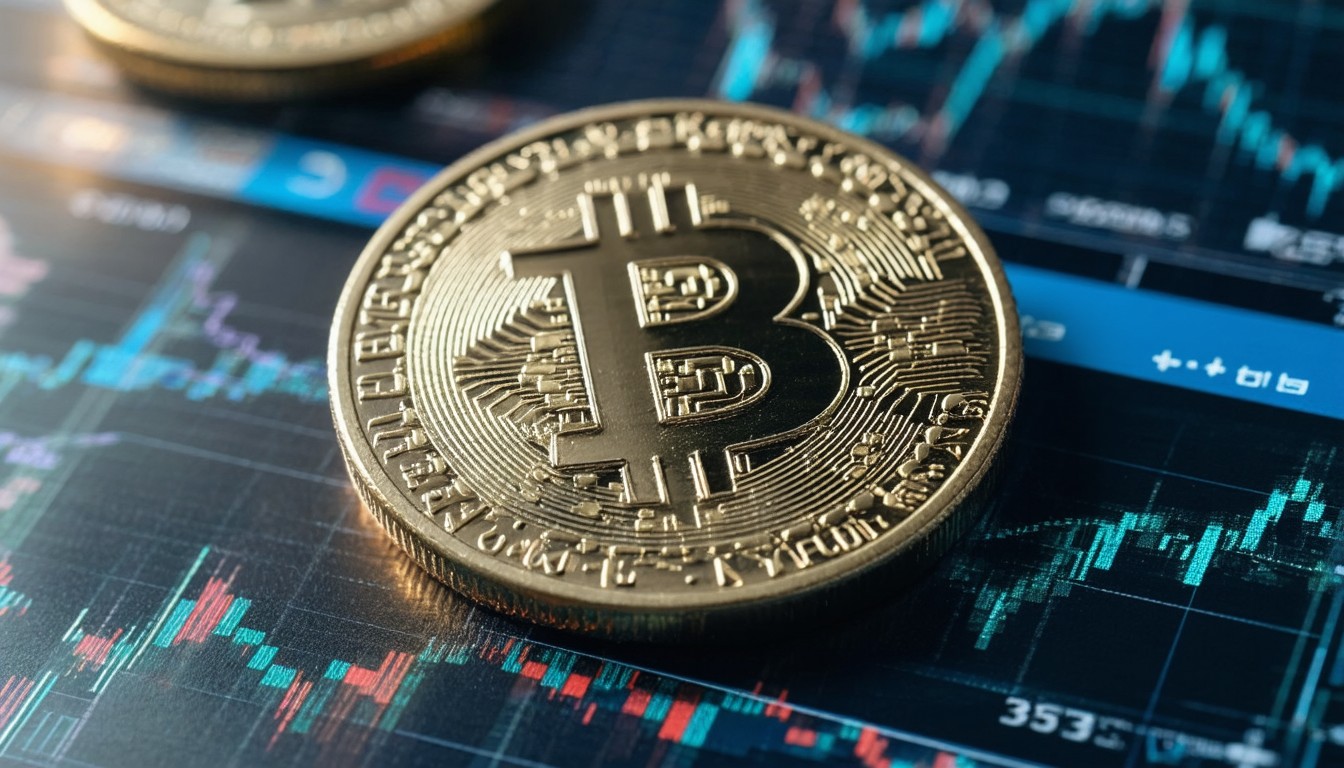


In recent years, the financial sector has witnessed an acceleration in the adoption of blockchain technology, reaching beyond cryptocurrencies into the domain of real-world assets (RWA). The concept of Tokenized RWA—where physical assets such as real estate, commodities, bonds, or even fine art are represented as digital tokens on a blockchain—has started to reshape investment and ownership models globally. Institutional and retail investors alike are taking note, as tokenization promises to unlock liquidity, bolster transparency, and enable true fractional ownership of assets that were once illiquid or difficult to access.
Understanding Tokenized RWA and Its Foundations
Tokenized RWA refers to the digital representation of tangible assets on a blockchain, making them easily transferable and more accessible. Using smart contracts, each token securely reflects an ownership claim to a fraction or entirety of an off-chain asset. This development leverages blockchain’s core principles: immutability, transparency, and programmable trust.
The Technology Behind Asset Tokenization
Tokenization uses blockchain platforms—such as Ethereum, Polygon, and emerging enterprise chains—to issue tokens that correspond to legal rights over a real-world asset. These tokens are often structured as security tokens, adhering to local compliance rules. By embedding legal documentation and audit trails within the tokens, projects strive for regulatory clarity.
A common approach involves:
- Valuing the target asset
- Structuring a Special Purpose Vehicle (SPV) for legal ownership
- Issuing tokens representing fractional ownership
- Conducting KYC/AML checks for investors
“Tokenization bridges the gap between traditional finance and blockchain by creating a framework that respects regulatory norms while unlocking unprecedented accessibility and efficiency,” remarks Marianna Gomez de la Villa, Program Director at ING’s Blockchain initiative.
Real-World Examples of Tokenized RWA in Action
The landscape for tokenized RWA is fast-evolving. Blue-chip real estate developments in New York and Dubai have issued tokens representing equity stakes in buildings. Gold vaults in Switzerland now track tokenized gold bars, allowing investors fractional exposure without transferring physical bullion. Even private credit markets, traditionally opaque and illiquid, are being reinvented with tokenized debt instruments visible on-chain.
Transforming Investment: Key Benefits of Tokenized RWA
Tokenized RWA platforms aim to democratize access and streamline investment mechanics. Here’s how:
Enhanced Liquidity and Market Efficiency
Traditionally, assets like commercial real estate or art are challenging to trade due to their indivisibility and the complexity of transfer. Tokenization enables these assets to be broken into small, tradeable units, vastly improving liquidity. For instance, property owners can offer tokens representing shares in high-value buildings, allowing a broader pool of investors to buy, sell, or trade 24/7, as seen with platforms like RealT and Brickken.
Lowering Barriers and Enabling Fractional Ownership
Asset tokenization removes minimum investment thresholds. Where direct ownership of a commercial skyscraper was once reserved for ultra-high-net-worth individuals or institutions, tokens can now be purchased for as little as a few dollars. This shift supports financial inclusion and portfolio diversification.
Greater Transparency, Security, and Efficiency
Every transaction and ownership record is logged immutably on the blockchain. Investors and regulators benefit from auditability, streamlined settlement, and lower custodial risks. The programmable nature of tokens allows automatic compliance checks and corporate actions, reducing back-office costs.
Potential Cost Savings
Traditional asset transfers are resource-intensive, involving lawyers, banks, and long settlement cycles. By automating processes and minimizing intermediaries, tokenized RWA can reduce transaction costs and administrative burdens, with some industry estimates suggesting savings of up to 50% on certain deal types.
Challenges and Risks Hindering Widespread Adoption
While the promise of tokenized RWA is striking, significant barriers remain.
Regulatory and Legal Complexities
Asset tokenization sits at the intersection of existing securities law and emerging digital asset regulations. Cross-border token transfers, definitions of digital ownership, and compliance with Anti-Money Laundering (AML) and Know Your Customer (KYC) standards are not yet universally harmonized.
Technical and Infrastructure Hurdles
Ensuring the security and reliability of on-chain and off-chain processes is non-trivial. Smart contract code must be robust, and the link between the digital token and its real-world asset must be airtight—problems with custody, insurance, or legal enforceability introduce risk.
Market Education and Standardization
Both investors and institutions need clarity regarding token valuation, liquidity mechanisms, and exit routes. Industry consortia and regulators are only beginning to set standards around interoperability and token classifications.
“Widespread adoption will hinge on more mature regulatory frameworks and robust standards, ensuring that digital and traditional asset markets can coexist and interact with confidence,” says a recent report from the World Economic Forum.
Industry Momentum: The State of Tokenized RWA Today
In 2023, tokenized RWA was identified as the fastest-growing segment in decentralized finance (DeFi), with double-digit growth rates reported across tokenized U.S. Treasuries and on-chain real estate. Financial giants, including Franklin Templeton and JP Morgan, are piloting tokenization initiatives, aiming to integrate tokenized securities into mainstream financial products.
Startups and DeFi protocols—such as Centrifuge, Maple Finance, and Ondo Finance—are connecting traditional assets like invoices, credit portfolios, and money market funds with blockchain-native capital, creating new avenues for yield and risk management.
Nevertheless, the overall volume of tokenized real-world assets remains a tiny fraction of global asset markets, yet industry analysts forecast exponential growth as regulation and infrastructure mature.
The Future Outlook: Evolution or Revolution?
Tokenized RWA sits at a pivotal juncture. As legal and technical frameworks continue to evolve, experts widely anticipate a gradual but transformative impact on capital markets. In time, tokenization could become the default mode for asset issuance and transfer, making previously illiquid investments borderless, accessible, and programmable.
For both forward-thinking investors and institutions, the coming years will test the scalability, security, and adaptability of tokenized RWA platforms. Early adopters are likely to benefit most, provided they navigate compliance and technological due diligence with rigor.
Conclusion
Tokenized RWA is rapidly redefining real-world asset investment and ownership. By increasing liquidity, lowering barriers to participation, and bolstering transparency, tokenization offers compelling benefits for the entire investment ecosystem. However, realizing its full potential will depend upon continued innovation, stringent regulatory harmonization, and persistent industry collaboration. Investors, technologists, and policymakers should engage early and thoughtfully, as the next frontier in digital finance unfolds.
FAQs
What are tokenized real-world assets (RWA)?
Tokenized RWA are digital tokens on a blockchain, each representing ownership or fractional interest in tangible physical assets, such as property, commodities, or debt instruments.
Why is tokenization of RWA considered revolutionary?
Tokenization enables greater liquidity, easier transferability, and access to a wider range of investors by allowing assets to be divided into fractions and traded on digital exchanges, often with lower costs and improved transparency.
What are the main risks of investing in tokenized RWA?
Key risks include regulatory uncertainty, potential disconnects between tokens and underlying assets, cybersecurity vulnerabilities, and evolving legal standards related to digital ownership.
How do investors access tokenized RWA?
Investors typically open accounts with regulated platforms or protocols specializing in asset tokenization, complete identity verification, and purchase tokens representing fractional ownership in underlying assets.
Can tokenized RWA replace traditional investments?
While tokenization offers significant improvements in efficiency and accessibility, it is more likely to complement rather than replace traditional investments in the near term, especially as regulatory and technical standards mature.
Which types of assets are most commonly tokenized?
The most common assets include real estate properties, gold and precious metals, government securities such as U.S. Treasuries, and certain forms of private credit or receivables. As technology and regulations progress, additional asset classes may follow.