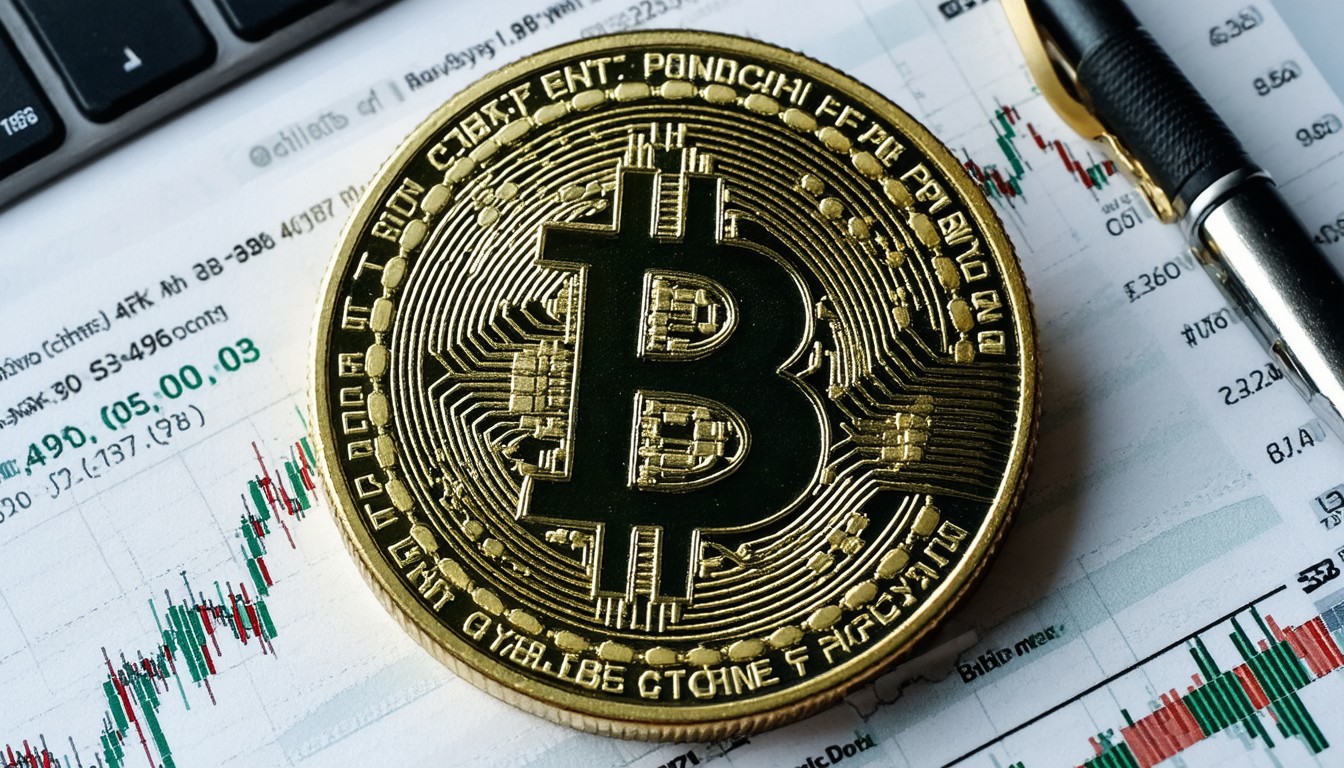



Cryptocurrencies continue to reshape the digital economy, offering decentralized solutions across a spectrum of industries. Among these, Tron (TRX) has emerged as a leading blockchain project with a focus on decentralizing the web and enabling scalable smart contracts. Since its launch in 2017, Tron has grown from an ambitious concept into one of the most active public blockchains, with TRX serving as its native token.
The price dynamics of Tron are influenced by a complex interplay of technological innovation, market sentiment, network adoption, and broader macroeconomic factors affecting the cryptocurrency sector. As investors, developers, and analysts monitor TRX’s journey, live pricing, value charts, and market analyses become invaluable tools for informed decision-making.
Understanding Tron: Background and Use Cases
Tron was established by Justin Sun, who positioned the project to compete directly with Ethereum by offering faster transaction speeds and lower costs. The network’s ambition lies in providing a robust infrastructure for decentralized applications (dApps), digital entertainment, and smart contract functionality.
Decentralized Applications and Network Growth
Tron’s mainnet provides a fertile environment for dApp developers, featuring high throughput and minimal transaction fees. Many developers, especially those in the gaming and entertainment sectors, have migrated from competing blockchains due to Tron’s performance and developer tools.
TRX: Not Just a Token
TRX is integral beyond simple value transfer. It is used to:
- Pay transaction and smart contract fees,
- Participate in network governance via staking and voting,
- Access various dApps and digital content.
This dynamic utility positions Tron as a blockchain ecosystem with tangible user engagement, rather than just speculative trading.
Tron Price: Influencing Factors and Recent Trends
Supply, Demand, and Market Sentiment
The price of TRX, like most cryptocurrencies, is shaped by core economic principles:
- Supply: Tron has a finite supply, which is gradually released through mining and staking incentives.
- Demand: Increased usage of dApps, network adoption, and speculative interest drive demand.
- Sentiment: News events, partnerships, and regulatory changes contribute to volatility.
Notable Events Impacting Tron Price
Several events have historically caused significant shifts in Tron’s price:
- Major partnerships, such as those with BitTorrent and Poloniex, have led to surges in value.
- Upgrades like the Sun Network and cross-chain interoperability have further improved utility, reflecting positively in market price movements.
- On the contrary, regulatory uncertainty in certain regions periodically affects investor confidence and short-term price dips.
“Tron’s resilience lies not just in technological innovation, but in the relentless expansion of its user base and developer community. Network effects continue to be a key driver for value creation in the blockchain space.”
— Blockchain industry analyst
Real-World Comparison
Tron’s price trends often mirror those of similar smart contract platforms, though its high transaction throughput provides occasional resilience during periods of heavy network congestion afflicting competitors like Ethereum.
Analyzing Tron’s Live Price: Tools and Chart Reading
Traders and investors rely on a range of data sources to monitor TRX’s performance:
- Live Price Trackers: Platforms like CoinMarketCap and CoinGecko offer up-to-the-minute pricing and liquidity data.
- Candlestick Charts: Used to analyze short-term patterns, these enable traders to spot trends and potential reversal signals.
- Technical Indicators: Moving averages, Relative Strength Index (RSI), and MACD are widely used to assess market momentum and potential entry/exit points.
Market Analysis Example
For instance, when TRX’s price approaches a historical resistance level and technical indicators show overbought signals, some traders might anticipate a corrective move. Conversely, breakouts above key resistance, especially on high trading volume, can herald further upside.
Broader Market Context: Tron and the Crypto Sector
No crypto asset exists in a vacuum. TRX’s price often tracks with or diverges from Bitcoin and Ethereum. When the broader market is bullish, Tron typically benefits from increased liquidity inflows. Periods of heightened volatility, such as after the announcement of regulatory changes in major economies, can temporarily disrupt these correlations.
Institutional Participation and Staking
On-chain data shows a rising number of TRX tokens being staked. This activity boosts network security and may also reduce circulating supply, introducing scarcity effects that can buoy price during periods of consistent demand.
Risks, Opportunities, and Future Outlook
Key Risks to Consider
TRX, like all digital assets, faces specific risks:
- Regulatory Scrutiny: Developments in Asia and North America could impact exchange listings and investor confidence.
- Competition: Fast-evolving smart contract platforms like Solana and Polygon are direct rivals, each addressing scalability in distinct ways.
- Technology Upgrades: While upgrades often bolster the network, missteps or delays can erode trust and impact TRX value.
Potential Drivers of Future Growth
Despite risks, several factors bode well for TRX’s future:
- Tron’s entry into the decentralized finance (DeFi) and non-fungible token (NFT) space aims to diversify use cases.
- Efforts to increase cross-chain compatibility could expand Tron’s footprint beyond its native ecosystem.
- Ongoing community and developer support remain a moat for long-term sustainability.
Conclusion: Navigating the Tron Price Landscape
Tron continues to command the attention of crypto market participants, blending technological innovation with practical utility. Live price tracking and in-depth market analysis empower investors to respond dynamically to shifting conditions. With a robust network infrastructure, growing adoption, and strong community engagement, Tron’s position in the blockchain sector appears secure, although not immune to market headwinds. Staying informed and understanding the broader context of TRX’s performance is crucial for anyone seeking opportunities in this dynamic landscape.
FAQs
What factors most influence TRX’s price movements?
TRX’s price is shaped by market demand, supply constraints, developer and user adoption, key partnerships, and the performance of the overall cryptocurrency sector. Regulatory changes and technological upgrades also play significant roles.
Where can I check Tron’s live price and market data?
Reliable sources for live TRX price and charts include CoinMarketCap, CoinGecko, and major cryptocurrency exchanges such as Binance and Kraken. These platforms offer real-time price, volume, and liquidity data.
How does TRX differ from other smart contract platforms like Ethereum?
Tron emphasizes high-speed, low-fee transactions and targets the digital entertainment and dApp sector, whereas Ethereum is more generalized but currently faces higher transaction costs and scalability challenges.
Is Tron a good investment for the long term?
As with all cryptocurrencies, TRX carries risk. Its strong developer ecosystem, ongoing upgrades, and expanding use cases are positives, but potential investors should stay aware of market volatility and regulatory uncertainties.
Can I earn passive income with Tron?
Yes, staking TRX allows holders to participate in network governance and potentially earn rewards. Rates and requirements vary across platforms, so research is essential before committing assets.