

The world of digital assets continues to evolve at a staggering pace. Amid the thousands of cryptocurrencies that have flooded the market, HBAR—Hedera Hashgraph’s native token—stands out for its unique approach to distributed ledger technology (DLT). Leveraging a data structure that differs markedly from blockchain, Hedera Hashgraph has generated significant industry interest based on its claims of superior speed, security, and energy efficiency. As institutional interest in tokenized assets and decentralized applications grows, understanding HBAR’s role within this shifting landscape has become crucial for investors, developers, and enterprises alike.
What is Hedera Hashgraph and HBAR?
Hedera Hashgraph is an enterprise-grade public network, actively positioned as a fast, fair, and secure infrastructure for the decentralized economy. Unlike traditional blockchains, Hedera is built on a “hashgraph” consensus algorithm, where information spreads rapidly and asynchronously across the network.
Key Technical Differences: Hashgraph vs. Blockchain
- Consensus Speed: While many blockchains are limited by sequential block production, hashgraph enables parallel validation of transactions, supporting high throughput (reportedly up to 10,000 transactions per second).
- Finality: Hashgraph achieves consensus with “gossip about gossip” and virtual voting, reducing latency and providing near-instant finality.
- Energy Efficiency: Hedera’s consensus mechanism is notably less energy-intensive than proof-of-work blockchains, a point that resonates strongly with environmentally conscious organizations.
The Role of HBAR Token
The HBAR token serves two primary functions in the Hedera ecosystem:
1. Fuel for Network Services: HBAR is used to pay for transactions such as the transfer of tokens, smart contract execution, and file storage.
2. Staking and Network Security: Holders can stake HBAR to participate in network consensus and earn rewards, enhancing decentralization and security.
HBAR Crypto Price: Recent Trends and Market Context
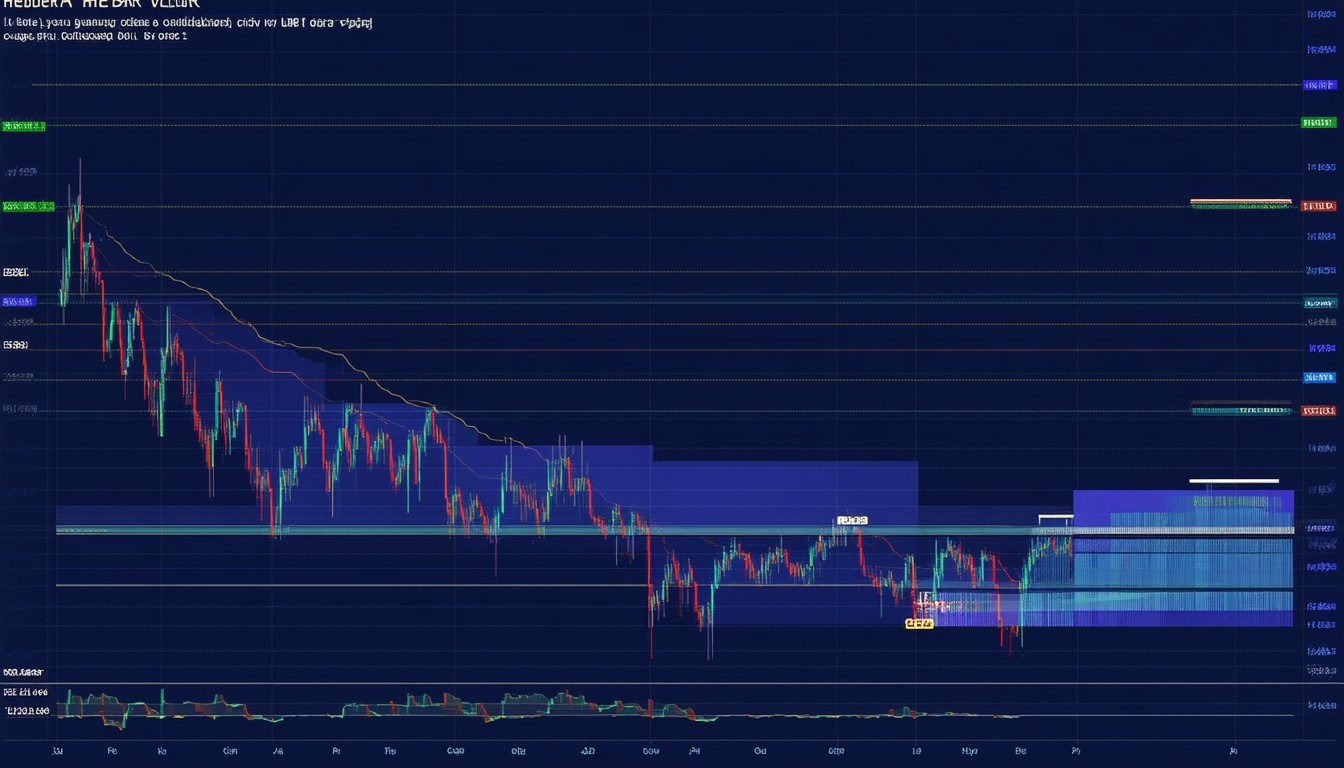
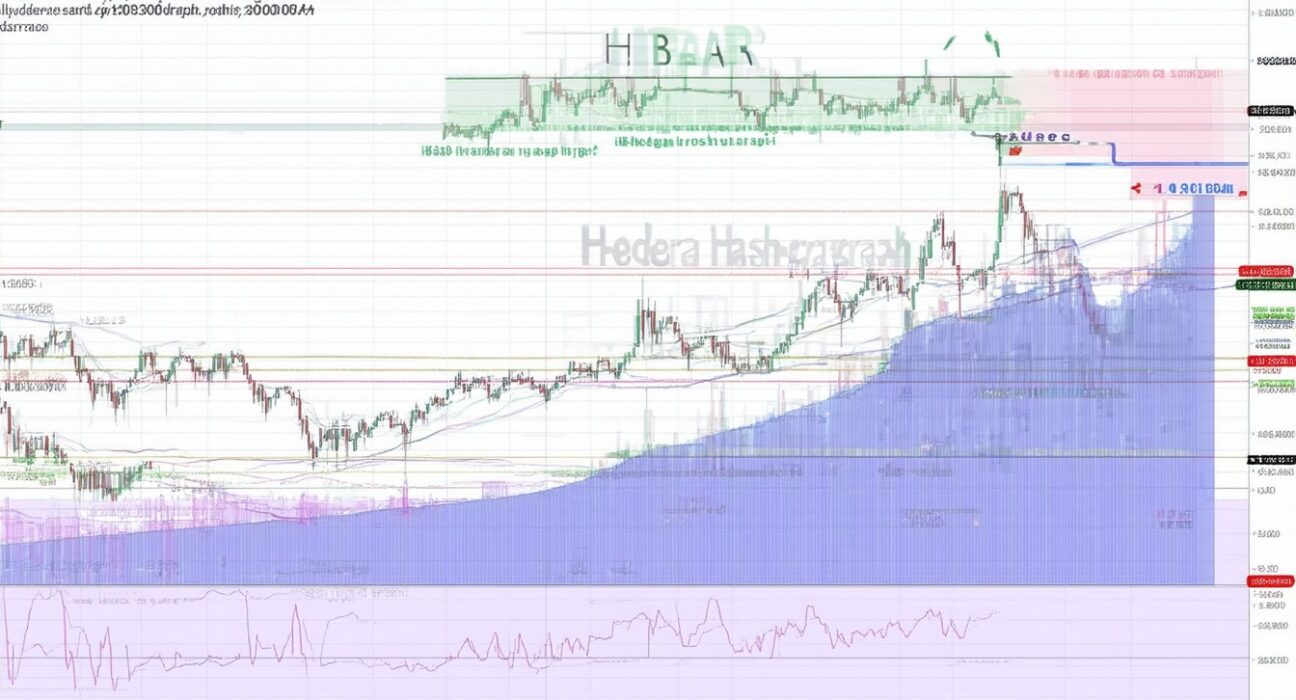
Like most cryptocurrencies, HBAR’s price has experienced periods of intense volatility. Since its public launch in 2019, HBAR’s value has been influenced by broader trends such as Bitcoin’s boom-and-bust cycles, evolving regulatory narratives, and the adoption of crypto by enterprise players.
Price Performance
HBAR’s price journey reflects the typical crypto euphoria and retracement pattern. After debuting at modest valuations, the token experienced a rally in early 2021, riding the wave of heightened demand for high-performance DLT solutions. Although not immune to the overall crypto market downturns, HBAR has shown resilience relative to many altcoins, trading within a steady range and maintaining interest from institutional partners.
“What sets HBAR apart is the underlying technology. As more enterprises explore DLT beyond blockchain, projects like Hedera are likely to see sustained attention—especially in sectors that require speed, fairness, and finality.”
— Blockchain industry analyst, 2024
Correlations and Influencers
- Bitcoin and Ethereum Movements: HBAR, like many digital assets, tends to follow the momentum of leading cryptocurrencies.
- Enterprise Adoption: Major partnerships with companies like Google, IBM, and LG have contributed to HBAR’s credibility and price stability.
- Regulatory Developments: News around digital asset regulations or DLT standards can trigger sudden price movements.
Real-World Adoption: Enterprise Use Cases and Governing Council
A major differentiator for Hedera is its Governance Council, a consortium of global enterprises across multiple sectors such as technology, finance, and manufacturing. Members—ranging from Google and Boeing to Nomura and Wipro—manage the network’s direction, software updates, and treasury.
Highlighted Use Cases
Supply Chain Tracking: Companies are utilizing Hedera for transparent, verifiable tracking of goods.
Digital Identity: Proof-of-concept projects leverage Hedera’s privacy features for secure, decentralized identity solutions.
Tokenization: From carbon credits to loyalty programs, businesses are building applications atop Hedera’s efficient transaction framework.
Hedera’s strict adherence to enterprise-grade standards and its permissioned, council-led model address concerns some organizations have about open, decentralized networks—enabling real-world use at scale.
Technical Analysis: The HBAR Ecosystem’s Strengths and Risks
From a technical perspective, Hedera’s hashgraph model promises several advantages but also raises questions about decentralization and governance.
Strengths
- Scalability: The network’s high throughput and fast confirmation times make it well-suited for high-volume use cases, from micropayments to data validation.
- Low Fees: Consistent and minimal transaction costs have attracted interest, especially from developers priced out of costlier blockchains.
- Security: Asynchronous Byzantine Fault Tolerance (aBFT) provides robust protection against malicious actors.
Challenges and Debates
- Governance Model: While the council structure brings stability and experience, critics argue it may compromise decentralization.
- Ecosystem Maturity: Compared to established platforms such as Ethereum, the breadth of applications and developer tools is smaller, though this is evolving rapidly.
- Mainstream Awareness: Despite its technical merits, HBAR’s brand recognition outside of specialist circles remains relatively modest.
The Future Potential of HBAR Crypto
Looking forward, Hedera Hashgraph and HBAR are well positioned to capitalize on the next wave of digital transformation, especially as tokenization steadily makes its way into mainstream financial and commercial workflows.
Anticipated Trends and Developments
- Broader Staking Participation: With network staking opening to the broader public, decentralization is likely to increase—potentially assuaging some governance concerns.
- Green Finance and ESG: Given Hedera’s energy efficiency, ESG-focused funds and projects may integrate HBAR or build on Hashgraph.
- Interoperability and Standards: As the industry pursues DLT interoperability, Hedera’s unique tech stack could carve out a niche.
Recent trends suggest that while volatility will persist in the short term, HBAR’s fundamental value proposition as a fast, secure, and environmentally conscious network remains compelling for a growing segment of institutional users.
Conclusion: Weighing HBAR’s Place in the Crypto Landscape
Hedera Hashgraph and its HBAR token exemplify a sophisticated evolution of the distributed ledger ecosystem. Backed by a prominent governance council and a growing roster of real-world applications, HBAR offers not just another cryptocurrency investment but a window into the future of enterprise-grade decentralized infrastructure. Prospective users and investors should weigh its technical innovations and adoption milestones against the ongoing debates over governance, decentralization, and market competition. As DLTs move from hype to tangible utility, HBAR’s story is one to watch with both enthusiasm and critical scrutiny.
FAQs
What is HBAR used for?
HBAR is used to pay for transaction fees on the Hedera network, secure the platform through staking, and incentivize node operators. It also serves as the fuel for dApps and services built on Hedera Hashgraph.
How is Hedera Hashgraph different from blockchain?
Hedera uses a hashgraph consensus algorithm, allowing faster and more energy-efficient transaction validation compared to the sequential nature of blockchain. This structure supports greater throughput and near-instant finality.
Who controls the Hedera Hashgraph network?
Hedera is governed by a global council composed of leading corporations from diverse sectors. While this ensures professional management and stability, it has prompted discussions about decentralization.
Is HBAR a good investment?
HBAR’s unique technology and enterprise backing make it appealing, especially for those interested in long-term adoption trends. However, like all cryptocurrencies, its price is volatile and subject to regulatory factors.
How environmentally friendly is Hedera Hashgraph?
Hedera’s consensus mechanism is known for low energy consumption, making it a favorable option for projects and investors concerned with environmental sustainability.
Can developers build smart contracts and dApps on Hedera?
Yes, Hedera supports smart contracts and decentralized applications, with growing developer tools and an active ecosystem focused on real-world enterprise use cases.