


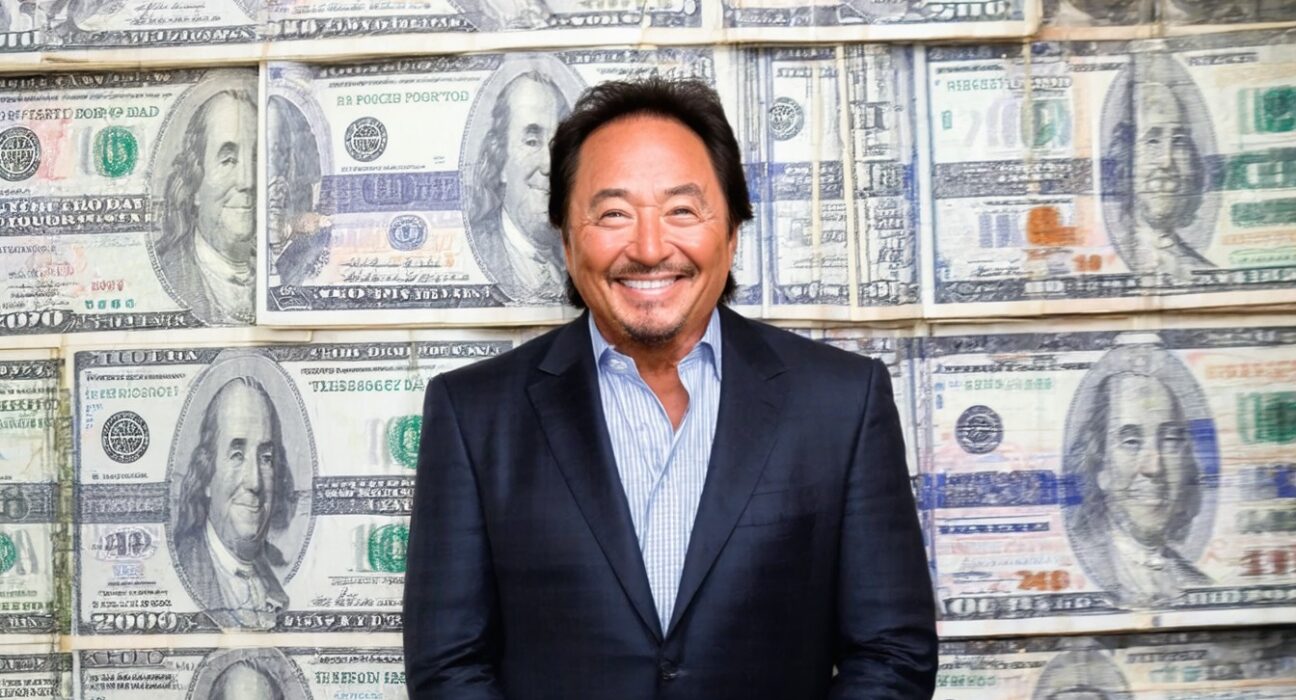
Few names loom as large in the world of personal finance education as Robert Kiyosaki. Best known as the author of the seminal book “Rich Dad Poor Dad,” Kiyosaki catalyzed a worldwide conversation about financial literacy, entrepreneurship, and building assets outside traditional paths. His straightforward, provocative guidance challenges readers to question the status quo about money, schooling, and professional security. Over decades, Kiyosaki’s teachings have sparked both acclaim and controversy, yet their impact on millions of lives and on global financial discourse is undeniable.
Early Life and the Diverse Foundations of Kiyosaki’s Philosophy
Born in Hawaii to a working-class family, Robert Kiyosaki’s unique upbringing set the stage for his later role as a financial disruptor. His narratives often contrast the lessons of his “rich dad”—a friend’s entrepreneurial father—with those of his own “poor dad,” an educated schoolteacher. This dynamic became the bedrock metaphor for his book and philosophy, demonstrating how two sensible approaches to money can yield drastically different outcomes.
After college, Kiyosaki’s experiences ranged widely—from serving as a U.S. Marine Corps helicopter gunship pilot in Vietnam to working in sales for Xerox. These years exposed him to diverse leadership and business cultures, ultimately shaping his unorthodox approach to personal finance.
“Most people never get wealthy simply because they are not trained to recognize opportunities right in front of them.” — Robert Kiyosaki
The Breakthrough: “Rich Dad Poor Dad” and Its Global Resonance
Contents and Philosophy
Kiyosaki’s 1997 book, “Rich Dad Poor Dad,” upended traditional views on education and wealth-building. Central to his argument is the difference between assets and liabilities, and the importance of acquiring income-generating assets. He criticizes the prevailing system for encouraging people to “work for money” without teaching them “how to make money work for them.”
Key Lessons from “Rich Dad Poor Dad”:
- Assets vs. Liabilities: Understanding the difference is critical; wealth stems from acquiring assets that generate cash flow.
- Financial Literacy: Knowledge about money is more important than rote academic success for long-term financial health.
- Entrepreneurship Over Employment: Creating businesses and investments often leads to greater wealth than salaried jobs.
- Adaptability: The world of finance evolves; the ability to learn and adapt is essential.
Reception and Impact
“Rich Dad Poor Dad” has sold tens of millions of copies globally and has been translated into dozens of languages. Beyond its commercial success, the book is a cultural marker—a staple on recommended reading lists for aspiring entrepreneurs and investors. Its direct style and accessible anecdotes have made it an enduring classic in the genre.
The success of the book also led to a robust ecosystem: follow-up books, seminars, online courses, and even a board game, all aimed at demystifying financial concepts for a broad audience.
Expanding the Toolkit: Books, Games, and Educational Programs
Diversifying Educational Methods
Kiyosaki did not stop at books. He developed the “CASHFLOW” board game, designed to teach financial principles through experiential learning. This hands-on approach has been adopted by many schools, families, and organizations seeking to make abstract money lessons tangible.
Seminar and Online Platforms
Recognizing the evolving media landscape, Kiyosaki and his company, Rich Dad, transitioned into seminars, online academies, and podcasts. Many of these programs, often co-hosted with other financial experts or successful entrepreneurs, give practical investment advice. While some attendees champion the programs for changing their lives, criticisms have surfaced over upselling and aggressive marketing—sparking necessary debate about ethics in the personal finance industry.
Criticisms and Controversies: A Complex Legacy
Scrutiny of Advice and Methodology
Despite widespread acclaim, Kiyosaki’s methods and recommendations have faced significant critique. Some personal finance experts question the feasibility of certain investment strategies for everyday people, particularly the emphasis on real estate and high-leverage debt.
In addition, investigative journalists and consumer organizations have scrutinized the value and cost of some Rich Dad seminars. Nonetheless, the debates underscore how Kiyosaki’s ideas have stimulated essential questioning of conventional financial wisdom.
Enduring Appeal
Even with mixed reviews, the persistent popularity of Kiyosaki’s books—evidenced by their continued sales and social media presence—speaks to their resonance with those who feel left out by formal education systems. For many, Kiyosaki’s real-world scenarios present a roadmap otherwise missing from mainstream financial curricula.
Evolving With the Market: Crypto, Real Estate, and Economic Adaptation
Modern Investments and Tech
Staying relevant in an age of rapid technological change, Kiyosaki has embraced and critiqued trends such as cryptocurrency, precious metals, and real estate cycles. He frequently discusses inflation, the risks of fiat currency, and the importance of financial agility. For example, in interviews and on social media, he has encouraged followers to educate themselves about Bitcoin and emerging decentralized finance models—not as blind speculation, but as a response to shifting economic realities.
Real-World Examples
His own investment history spans—from property investments to startups—illustrating his belief in diversification. Many readers and attendees share stories of improved household balance sheets or newfound entrepreneurial directions sparked by applying his frameworks.
The Kiyosaki Framework: Core Principles for Financial Self-Reliance
Actionable Takeaways
- Build Multiple Income Streams: Don’t rely solely on wages. Passive income through investments, royalties, or businesses is key.
- Embrace Continuous Learning: Formal education matters, but ongoing financial education is crucial for adapting to new markets.
- Calculated Risk-Taking: Intelligent investment often means measured risks, rather than complete avoidance of uncertainty.
- Financial Independence as a Mindset: Kiyosaki insists that financial well-being is as much about psychology and habits as about dollars and cents.
Conclusion: Kiyosaki’s Enduring Relevance in Financial Education
Robert Kiyosaki remains a polarizing yet pivotal figure in financial education. His keen observations, willingness to challenge norms, and commitment to asset-building have motivated millions to rethink career and investment strategies. While no single philosophy fits all, there is little doubt that Kiyosaki opened new channels for learning and conversation about money. As financial landscapes continue to evolve, the ability—and necessity—to educate oneself remains central, a tenet Kiyosaki has indelibly stamped on global consciousness.
FAQs
What is the main message of “Rich Dad Poor Dad”?
The main message is to become financially literate and focus on building and acquiring assets rather than relying solely on traditional employment for income.
Is Robert Kiyosaki’s advice practical for everyone?
Some concepts, like distinguishing assets from liabilities and seeking financial education, are widely applicable. However, specific investment strategies may require caution and should be tailored to individual circumstances.
Has Kiyosaki faced criticism for his methods?
Yes, some financial experts and journalists have questioned the practicality of certain advice and critiqued the upselling at seminars. Nonetheless, his principles continue to inspire debate and interest.
What are some common assets recommended by Kiyosaki?
He frequently advocates for real estate, small businesses, stocks, bonds, and increasingly, cryptocurrencies and precious metals as means to build wealth.
How has Robert Kiyosaki contributed to financial education beyond writing books?
Beyond his books, Kiyosaki has developed educational games, hosted seminars, produced online courses, and offered podcasts to make financial education more accessible and engaging.
Is financial independence a realistic goal for most people following Kiyosaki’s advice?
While results vary, many find his principles motivating and actionable for improving their financial habits, though achieving full independence depends on individual application and circumstances.