

In the past decade, investing has transformed from a practice reserved for Wall Street regulars to a mobile-first experience accessible to nearly anyone with a smartphone. Central to this shift is Robinhood, a commission-free stock trading and investing app that has fundamentally altered the landscape for retail investors in the United States and beyond. Launched in 2013, Robinhood has championed a mission to “democratize finance for all,” propelling millions of newcomers into the stock market with a simple, easy-to-use interface—and no traditional trading fees.
The app’s ascent coincided with major societal trends: growing fintech adoption, the millennial and Gen Z demand for accessible financial tools, and a surge in interest for digital-first experiences. As volatility and opportunity rocked global markets throughout the 2020s, Robinhood became synonymous with the rise of the so-called “retail investor revolution,” challenging established brokers and prompting a wave of change across the financial sector.
Commission-Free Trading: Redefining the Cost of Access
One of Robinhood’s most disruptive innovations is its commission-free trading model. Traditional brokerages long charged fees—sometimes as high as $7 to $10 per trade—creating a barrier for casual or early-stage investors. Robinhood stripped away these costs for US-listed stocks and ETFs, a move that not only attracted users but kicked off a competitive race toward zero-commission trading across the industry.
The Ripple Effect Across the Brokerage Industry
By 2019, major players such as Charles Schwab, E*TRADE, and TD Ameritrade followed suit, eliminating commissions on many trades in response to Robinhood’s explosive growth. This shift leveled the playing field and led to a significant uptick in trading volume industry-wide.
“Robinhood’s no-commission model wasn’t just about cost savings—it signaled a paradigm change. Suddenly, the tools of investing became available to anyone with a smartphone, challenging long-held notions about who could participate in capital markets.”
— Dr. Erin Hastings, Professor of Financial Technology, NYU
App Features: Intuitive Design Meets Expanding Toolsets
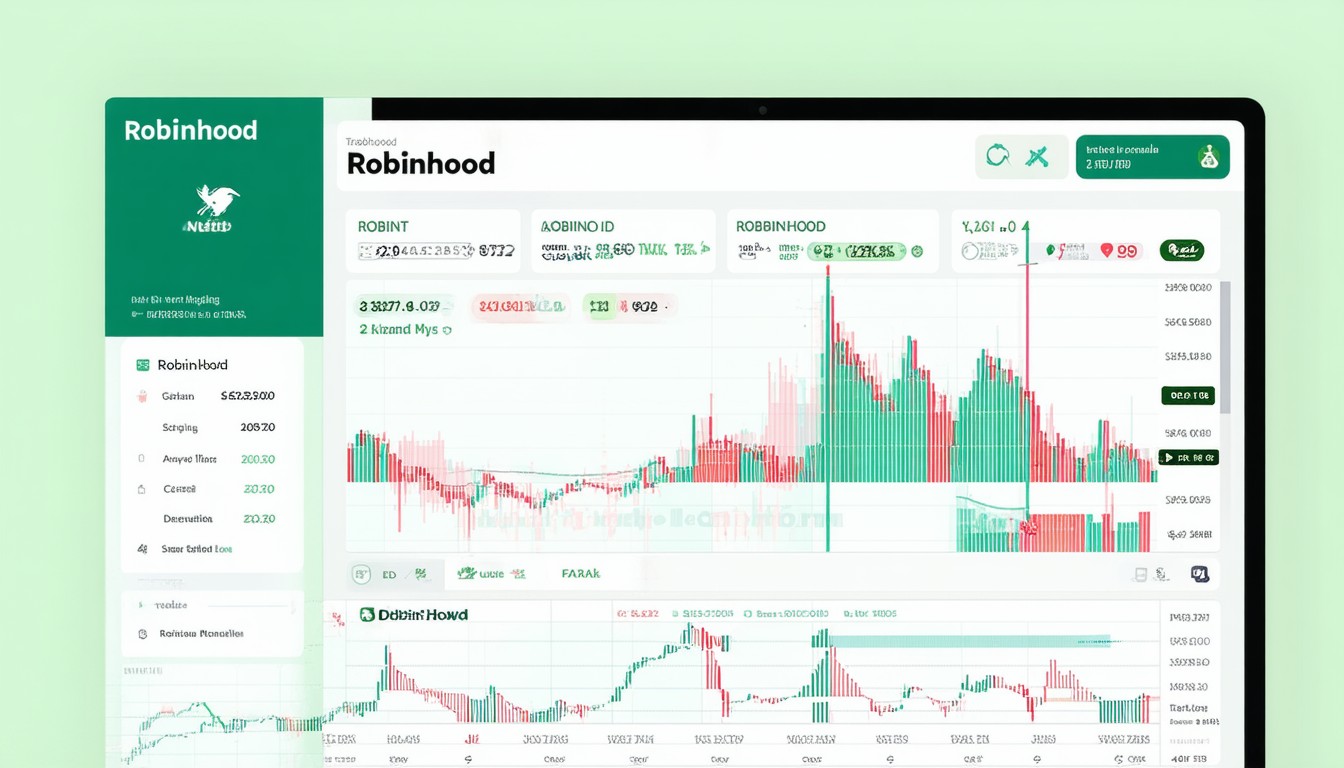
At its core, Robinhood offers a streamlined and visually pleasant experience. New users are greeted with an intuitive dashboard, customizable watchlists, and trade execution with a few taps. However, the company has steadily expanded beyond basic stock and ETF trading.
Fractional Shares and Accessible Diversification
Recognizing that stock prices for giants like Amazon or Tesla can be prohibitive for small accounts, Robinhood introduced fractional share investing. This feature allows users to purchase portions of expensive shares with as little as $1, enabling greater diversification—even for those starting with modest capital.
Cryptocurrency and Options Trading
Beyond equities, Robinhood provides access to cryptocurrencies—including Bitcoin, Ethereum, and Dogecoin—and options contracts, popular with more advanced traders seeking higher return profiles. This breadth has drawn a notably young and digitally savvy demographic.
Cash Management and Retirement Products
As competition has intensified, Robinhood expanded into cash management (a high-yield cash account), as well as IRA and Roth IRA offerings, aiming to keep users within its ecosystem as their financial needs grow more sophisticated.
Security, Regulation, and Trust: Navigating a New Landscape
With rapid growth comes increased scrutiny. Robinhood operates under FINRA oversight and complies with SEC regulations, but it has not been immune to controversies. Issues around trade outages during periods of extreme market volatility, scrutiny of its payment for order flow model, and regulatory fines for misleading customers have underscored the need for robust compliance infrastructure in fintech.
Payment for Order Flow (PFOF): Under the Microscope
One of Robinhood’s core business strategies is payment for order flow, where market makers pay Robinhood to route trades through their venues. While this subsidizes the no-commission model, critics argue it may create conflicts of interest or impact trade execution quality. Nonetheless, studies indicate that trade execution on Robinhood remains broadly competitive, though users should always compare platforms as market conditions evolve.
Real-World Impact: Case Studies and Cultural Shifts
Perhaps no story illustrates Robinhood’s impact better than the “meme stock” saga of 2021, where retail investors coordinated via social media platforms to drive historic volatility in stocks such as GameStop (GME) and AMC Entertainment (AMC). Robinhood temporarily restricted trading in these securities due to unprecedented demand and clearinghouse requirements—a decision that garnered both criticism and regulatory attention.
This episode highlighted how seamlessly brokerages like Robinhood can fuel collective action, financial awareness, and—at times—controversy. It provided the clearest evidence yet of Main Street wielding Wall Street-sized influence, for better or worse.
User Experience and Community: What Sets Robinhood Apart
Robinhood’s appeal lies not only in low cost and accessibility, but also in its community-driven ethos. In-app notifications, digestible news articles, and educational resources help lower the intimidation of investing for first-timers. Moreover, the app’s design, which rewards engagement and visibility, keeps users involved and learning.
That said, some critics worry that the “gamification” of investment tools can encourage risky behavior, especially among younger, less experienced traders. Robinhood has responded by increasing investor education and providing more robust risk disclosures, aiming to strike a balance between engagement and responsibility.
The Competitive Landscape: Robinhood and Its Rivals
The rise of Robinhood has prompted both legacy and emerging fintech rivals—such as Webull, SoFi, Public.com, and even crypto-native platforms like Coinbase—to innovate rapidly. Many now offer appealing features like $0 commissions, fractional shares, and enhanced educational content. In practice, today’s retail investor can choose from a diverse menu of platforms, each balancing user experience, product breadth, and specialized offerings.
Conclusion: Robinhood’s Enduring Legacy in Personal Investing
Robinhood has redefined retail investing by dismantling price barriers, focusing on user-centric design, and bringing millions of new investors into the financial markets. While challenges remain around compliance, education, and long-term financial outcomes, Robinhood’s impact is visible across the industry. For investors—new and experienced alike—the company’s model has made participation in the stock market more accessible than ever before.
Aspiring investors should assess their own financial goals, risk tolerance, and educational needs before choosing any platform. However, Robinhood’s catalytic role in the evolution of modern investing is undisputed, and its ongoing influence will likely continue to shape industry standards for years to come.
FAQs
Is Robinhood really commission-free?
Yes, Robinhood offers commission-free trades on stocks, ETFs, and cryptocurrencies, though some regulatory and third-party fees may still apply.
How does Robinhood make money if trading is free?
Robinhood’s primary revenue comes from payment for order flow, where it receives compensation for routing trades through specific market makers. It also earns from premium services, interest on uninvested cash, and margin lending.
Can new investors use Robinhood safely?
While Robinhood is designed for ease of use and is regulated by major authorities, users should understand investing risks and the potential for losses. The platform provides educational resources to help beginners get started responsibly.
What happened during the GameStop incident?
During the 2021 GameStop surge, Robinhood restricted trading on certain volatile stocks due to capital requirements imposed by clearinghouses. This move was controversial and drew attention to the risks of rapid trading activity in volatile markets.
Are there alternatives to Robinhood?
Yes, many brokers now offer zero-commission trading, including platforms like Webull, Fidelity, Schwab, and Public.com. Each platform has distinct features, so it’s important to compare them based on fees, available assets, and user experience.