

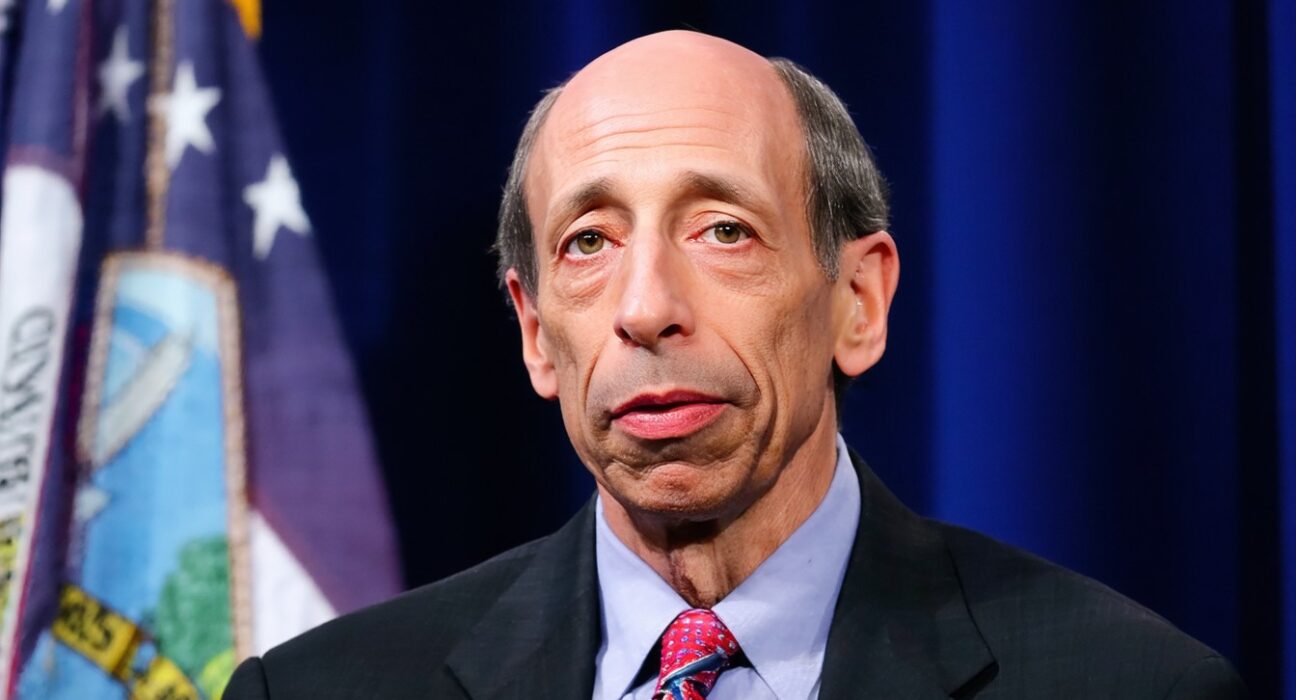
When Gary Gensler assumed leadership of the U.S. Securities and Exchange Commission (SEC) in 2021, he ushered in a period of active regulatory transformation. As one of the most watched and debated figures in financial oversight, Gensler’s tenure has been marked by ambitious policy initiatives, heightened scrutiny on digital assets, and a reinvigorated focus on investor protection. His actions have not only shaped U.S. securities law but have also rippled through global markets, affecting how companies, investors, and innovators approach capital formation and compliance.
Gensler’s Regulatory Vision: Key Themes and Initiatives
Focus on Market Structure and Modernization
A significant portion of Gensler’s policy agenda revolves around modernizing the market structure to align with the realities of 21st-century trading. From high-frequency trading concerns to the emergence of retail trading platforms, the SEC under Gensler has launched reviews and proposed amendments aimed at ensuring fairness and transparency.
Notably, Gensler has spotlighted the practice of Payment for Order Flow (PFOF) — a controversial system whereby brokers receive compensation for routing trades to specific market makers. This scrutiny intensified following the GameStop trading frenzy of early 2021, highlighting perceived conflicts between retail investors and established institutions.
Digital Assets and Cryptocurrency: Controversy and Clarity
Cryptocurrency markets have been a central focus under Gensler. Having taught blockchain technology at MIT, Gensler brings a rare blend of technical insight and regulatory caution. He has repeatedly emphasized that most crypto tokens likely qualify as securities under U.S. law, placing exchanges and DeFi platforms firmly within the SEC’s oversight purview.
In practice, this stance has resulted in a string of enforcement actions against major players and calls for exchanges to register with the agency. Yet, the lack of tailored regulations for digital assets has drawn criticism from both innovators and lawmakers who argue that regulatory ambiguity stifles U.S. competitiveness in fintech.
“We have rules in place for a reason: to protect investors and ensure fair markets. New technologies cannot simply wish away these obligations,” Gensler remarked during a congressional hearing.
Corporate Transparency and ESG Disclosures
Beyond technology, Gensler has advocated for greater transparency in corporate America—specifically, around environmental, social, and governance (ESG) disclosures. Proposed rules would require public companies to provide standardized information on climate-related risks and greenhouse gas emissions. While these moves have garnered strong support from investor advocacy groups, they’ve met opposition from some business associations wary of increased compliance burdens.
Enforcement and Investor Protection
Under Gensler’s leadership, SEC enforcement activity has been both robust and visible. The agency has prioritized cases involving misleading statements, insider trading, and violations around special purpose acquisition companies (SPACs). Gensler’s team has also targeted cybersecurity-related disclosure failures, reflecting rising risks for both investors and markets at large.
Digital Assets: Regulation, Tensions, and Global Implications
The Ongoing Debate: Are Crypto Tokens Securities?
Central to Gensler’s approach is the contention that most cryptocurrencies are investment contracts and thus subject to the SEC’s existing rules. This interpretation, rooted in the decades-old Howey Test, has profound implications for platforms, token issuers, and investors globally. High-profile SEC lawsuits against exchanges such as Coinbase and Binance underscore this regulatory drive.
Calls for Legislative Clarity
The digital asset sector has responded with intense lobbying for new, crypto-specific legislation. Bipartisan bills have circulated in Congress, but consensus remains elusive. Industry proponents argue that Gensler’s regulatory posture is overly punitive, while consumer advocates point to recurring fraud and instability in unregulated spaces as evidence that tough action is warranted.
International Ripple Effects
Beyond U.S. borders, Gensler’s policies set benchmarks for other financial regulators. As Europe advances the Markets in Crypto-Assets (MiCA) framework and Asia experiments with sandbox approaches, global players monitor the SEC’s evolving enforcement strategies—and recalibrate their operations accordingly.
Market Structure Overhaul: PFOF, Short Selling, and Retail Access
Payment for Order Flow and Retail Trading
Gensler’s challenges to PFOF mechanisms echo long-standing debates around institutional advantages and retail participation. The SEC’s consideration of PFOF restrictions could fundamentally alter the business models of zero-commission brokers and affect liquidity in U.S. equity markets.
Transparency in Short Selling and Borrowing
New rulemaking efforts have also sought to increase transparency around short selling and securities lending, in light of volatility seen during meme stock surges. Proposed disclosure regimes aim to provide more timely information to both regulators and market participants.
ESG and Corporate Accountability: Shifting Standards
Standardizing Climate and Sustainability Reporting
Investors are demanding more than just profit figures—they want to understand a company’s environmental footprint, social responsibility, and governance standards. Gensler’s SEC has responded by introducing rule proposals intended to ensure investors have comparable, decision-useful ESG data.
Pushback and Legal Challenges
Some corporate leaders and state officials argue these rules go beyond the SEC’s statutory remit, raising questions about legal challenges. Nevertheless, a growing body of institutional investors contends that mandatory ESG disclosures are essential for managing systemic risks.
Criticism, Support, and the Outlook for U.S. Regulation
Advocates Versus Critics
Gensler’s tenure has been divisive. Investor protection advocates generally praise aggressive enforcement and expanded disclosures, while segments of Wall Street and the crypto industry criticize what they see as regulatory overreach or lack of clarity.
Legislative and Judicial Counterweights
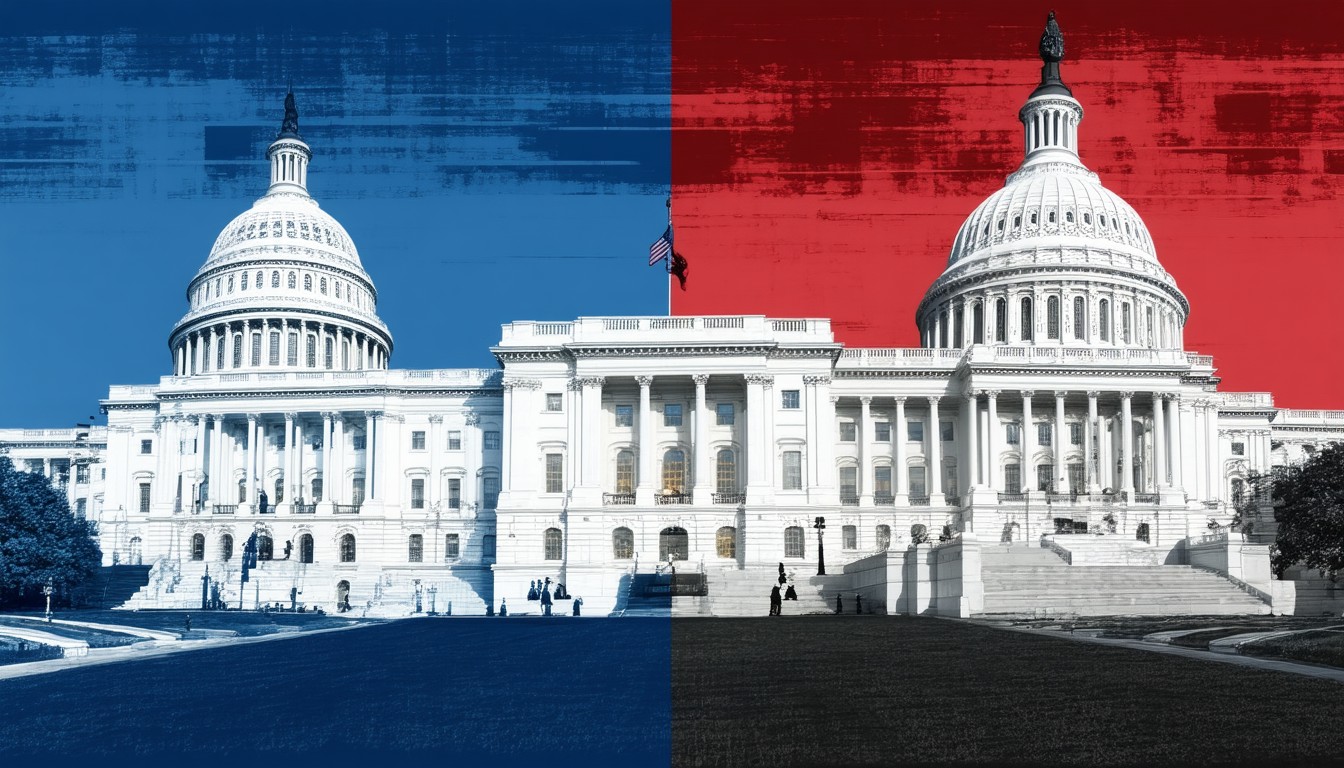
Court challenges and Congressional hearings have become regular backdrops to Gensler’s agenda. Some members of Congress seek to curb the SEC’s rulemaking powers, especially in areas seen as exceeding its traditional authority.
Conclusion: Navigating Change Under Gary Gensler’s SEC
Gary Gensler’s leadership at the SEC marks a pivotal period for financial regulation in the United States. His policy agenda—spanning digital assets, ESG reporting, and market modernization—signals a more assertive, sometimes controversial approach to oversight. While regulatory clarity and market stability remain top priorities, the evolving landscape ensures ongoing debate among stakeholders. In the coming years, the balance between innovation, investor protection, and market integrity will likely define both Gensler’s legacy and the future of U.S. capital markets.
FAQs
What is Gary Gensler’s stance on cryptocurrency regulation?
Gensler asserts that most cryptocurrencies are securities and thus fall under the SEC’s regulatory framework. He has called on platforms offering tokens to register and comply with investor protection standards.
How is the SEC addressing ESG disclosures under Gensler?
The SEC has proposed rules to require public companies to disclose standardized information on environmental, social, and governance factors, especially climate-related risks. These moves aim to provide better data for investors but face political and legal pushback.
Why is Payment for Order Flow (PFOF) controversial?
PFOF involves brokers receiving compensation for routing trades, potentially creating conflicts of interest. Gensler has questioned whether this practice serves the best interests of retail investors and has suggested reforms.
How has Gensler impacted enforcement at the SEC?
Enforcement actions have increased in visibility and scope, targeting fraud, insider trading, and violations in areas like SPACs and cybersecurity. Gensler’s focus is on maintaining market trust and investor protection.
What challenges has Gensler faced from industry and lawmakers?
Gensler’s assertive regulatory approach has sparked criticism from segments of the crypto industry, business associations, and some lawmakers. Concerns include regulatory overreach and the need for clearer, updated laws.
Will U.S. crypto regulation become more tailored in the future?
While there is momentum in Congress for crypto-specific legislation, significant regulatory changes require bipartisan agreement. Until then, Gensler’s SEC is likely to rely on existing securities laws and enforcement actions.