

Compact, fox-like, and undeniably charismatic, the Shiba Inu stands as one of Japan’s oldest and most adored dog breeds. Originally bred for hunting in mountainous regions, Shiba Inus have captured the hearts of dog enthusiasts worldwide—thanks in part to their internet popularity and distinctive personality. Their loyal yet independent disposition makes them fascinating companions but also distinctively challenging for the unprepared dog owner. Understanding the Shiba Inu’s breed characteristics, temperament, care needs, and effective training approaches is essential for those seeking a fulfilling relationship with this unique canine.
Shiba Inu Breed Information
Origins and Historical Background
The Shiba Inu traces its roots back over a thousand years, with archaeological evidence placing similar dogs in ancient Japanese settlements. Initially, Shiba Inus were utilized for flushing out small game and navigating rugged terrain—a testament to their agility and cleverness. The breed faced near extinction during World War II, yet dedicated Japanese breeders spearheaded recovery efforts, leading to the modern Shiba Inu known today.
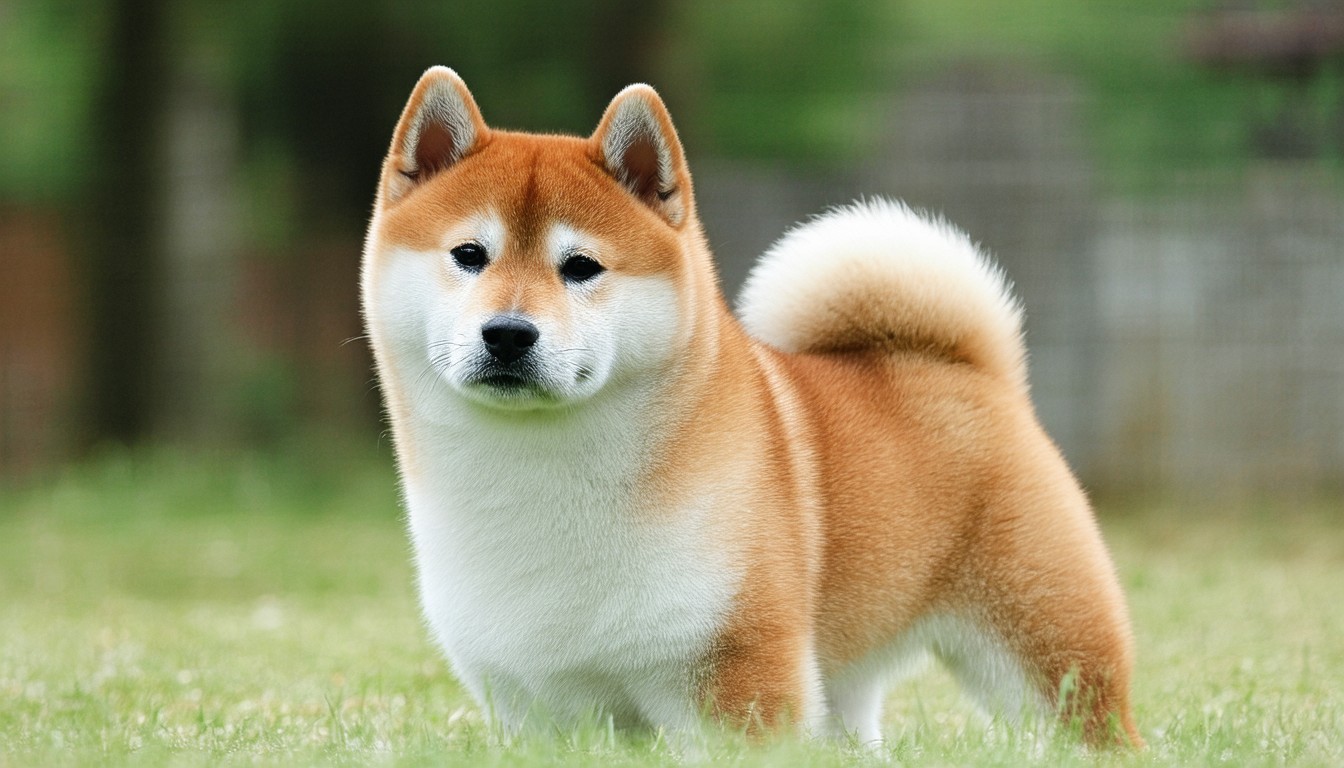
Today, the Shiba Inu ranks as Japan’s most popular companion dog and has steadily gained traction in Western nations. Its compact stature (typically 13.5–16.5 inches at the shoulder and weighing 15–25 pounds) makes it well-suited to urban and suburban living.
Distinctive Physical Characteristics
- Coat: Dense double coat, with a plush undercoat and stiffer guard hairs. Standard colors include red, black and tan, and sesame (red with black-tipped hairs).
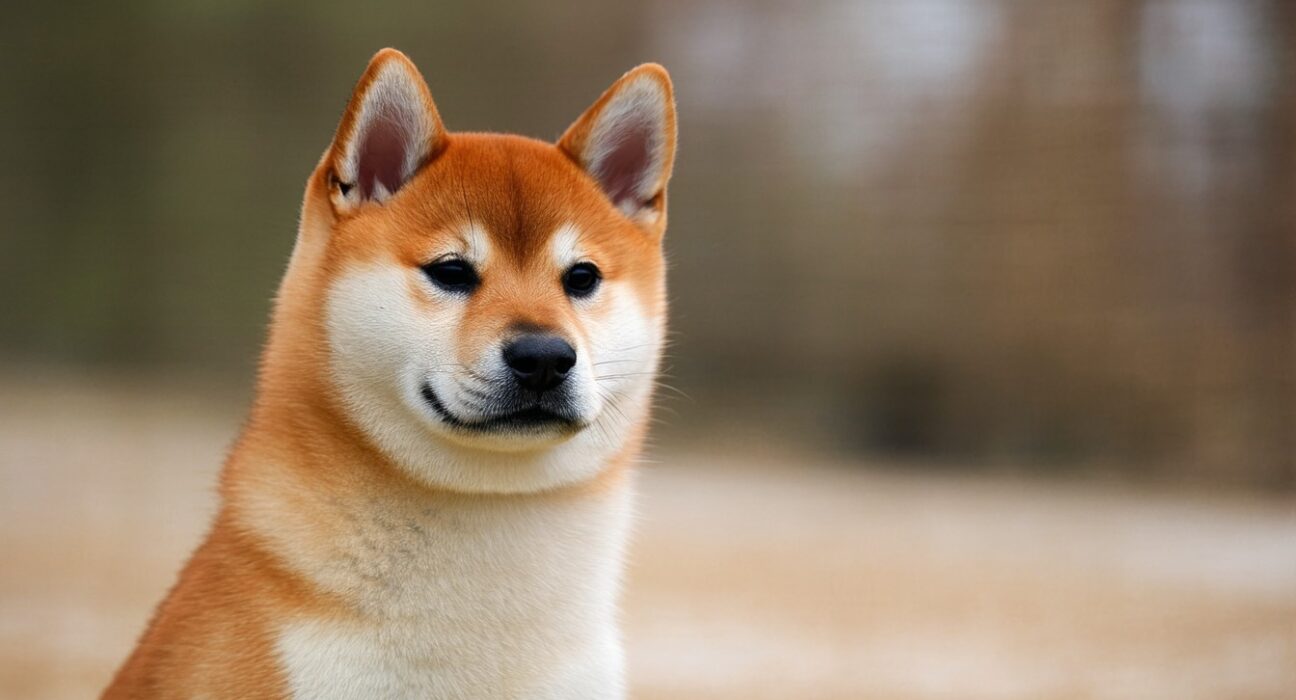
- Face & Tail: Fox-like profile with alert, triangular ears and a curled tail. Their expressive eyes convey intelligence and curiosity.
- Lifespan: Most Shibas live between 12 and 16 years, with proper genes and care.
The Shiba Inu’s plush, self-cleaning coat not only contributes to its appearance but also serves practical functions in inclement weather—a legacy of its origins in mountainous Japan.
Temperament: Personality Traits and Social Behavior
Independence and Intelligence
Shiba Inus are celebrated for their spirited individualism. Unlike some breeds that strive to please, Shibas approach the world on their terms, blending loyalty with a distinct sense of autonomy. This independence, while charming, can occasionally be mistaken for aloofness or stubbornness—especially by owners unfamiliar with the breed.
“Shibas are not the type of dog to fawn for affection; their loyalty is deep-rooted but often understated. Owners need to earn their trust and respect,” notes Dr. Sarah Lin, a veterinary behaviorist and Shiba Inu enthusiast.
Interactions and Socialization
Their natural wariness around strangers and strong prey drive mean early, positive socialization is vital. Without proper exposure, the Shiba Inu may become excessively reserved or even reactive, especially in bustling urban environments or around other animals.
Despite their reputation for independence, Shibas form strong bonds with their families. They’re often playful and affectionate with household members but less tolerant of rough handling, making them better suited to families with older children.
“The Shiba Scream” and Communication
Famous among Shiba owners is the so-called “Shiba scream”—a high-pitched, dramatic vocalization emitted when the dog is startled, unhappy, or occasionally overjoyed. While not aggressive, this vocal quirk exemplifies the breed’s strong-willed nature and need for thoughtful, positive handling.
Shiba Inu Care Requirements
Nutrition and Diet
Due to their high activity level and compact size, Shibas require a diet rich in animal proteins and healthy fats. High-quality commercial dog foods—specifically those that list meat as the primary ingredient—are generally recommended. Feeding schedules and portion control are vital, as the breed is prone to obesity if overfed or under-exercised.
Exercise and Activity Needs
While not hyperactive, Shibas are athletic and thrive on regular outdoor exercise. Two daily walks combined with free play in a secure yard promote their physical and mental well-being. The breed’s agility and intelligence lend themselves to structured activities such as:
- Fetch or agility courses
- Interactive puzzle toys for mental stimulation
- Off-leash play (only in fenced areas, due to high prey drive)
Grooming and Shedding
Routine grooming is straightforward but consistent. Shibas shed heavily twice a year (“blowing coat” season) and require weekly brushing outside of these periods. During heavy shedding, daily brushing becomes necessary to manage loose fur. Bathing is infrequent, as the breed’s self-cleaning coat stays remarkably odor-free.
Health Considerations
While generally robust, Shiba Inus are susceptible to several genetic conditions, including patellar luxation, allergies, and certain eye disorders such as glaucoma. Ethical breeders prioritize health screenings and transparency—an important safeguard for prospective owners.
Training Guide: Best Practices for Shiba Inu Owners
Early Training and Socialization
Shiba Inus are intelligent but notoriously independent, necessitating patient and consistent training practices. Early introduction to new sights, sounds, people, and animals—especially during the first four months—can prevent fear-based behaviors in adulthood.
Positive Reinforcement Strategies
Harsh corrections rarely succeed with this breed. Instead, reward-based methods—utilizing treats, play, or praise—encourage cooperation without sacrificing trust. Short, varied training sessions help maintain the Shiba’s attention.
Addressing Stubbornness
Even experienced owners can find Shibas challenging to train. Keeping sessions upbeat and incorporating games or agility challenges can go a long way toward channeling the breed’s energy productively. Leash training is especially important, as the Shiba’s prey drive makes recall unreliable off-leash.
Real-World Success Stories
Across many dog training communities, Shiba Inus excel in sports such as agility and scent work—demonstrating their adaptability when properly motivated. One noted example is a New York City Shiba named Momo, who competes in canine agility tournaments thanks to her handler’s use of positive, varied reinforcement techniques.
Conclusion: Is the Shiba Inu Right for You?
The Shiba Inu embodies a rare blend of ancient heritage, modern charisma, and spirited independence. Their self-assured temperament and manageable size have fueled their global rise—notably among city dwellers and active professionals. However, their unique personalities demand a level of patience, commitment, and respect for their history.
Prospective owners—and even seasoned dog lovers—benefit from informed preparation, early socialization efforts, and embracing positive, consistency-driven training. In exchange, Shiba Inu owners often develop an exceptionally rewarding and loyal connection with one of the canine world’s most captivating breeds.
FAQs
What makes Shiba Inus different from other dog breeds?
Shiba Inus stand out for their independent nature, fox-like appearance, and self-cleaning coat. They are loyal yet often display a strong-willed, almost cat-like demeanor.
Are Shiba Inus good with children or other pets?
Shibas can coexist peacefully with older children who respect boundaries, but their intolerance for rough handling may make them less suitable for families with very young kids. Early socialization helps improve their interactions with other pets.
Do Shiba Inus require a lot of exercise?
While not as demanding as some working breeds, Shibas need daily walks and regular playtime to satisfy their physical and mental needs. Without enough exercise, they may become restless or develop behavioral issues.
How much grooming does a Shiba Inu need?
Grooming is generally straightforward, aside from heavy seasonal shedding when frequent brushing helps control loose fur. Their coat repels dirt, so frequent bathing is not usually necessary.
Is training a Shiba Inu difficult?
Training can be more challenging due to their independence and intelligence. Consistent, positive reinforcement methods and early socialization are key to raising a well-behaved Shiba Inu.
Are Shiba Inus healthy dogs and how long do they live?
Generally healthy with a lifespan of 12–16 years, Shibas can be prone to certain genetic conditions. Responsible breeders conduct health screenings to minimize risks.