

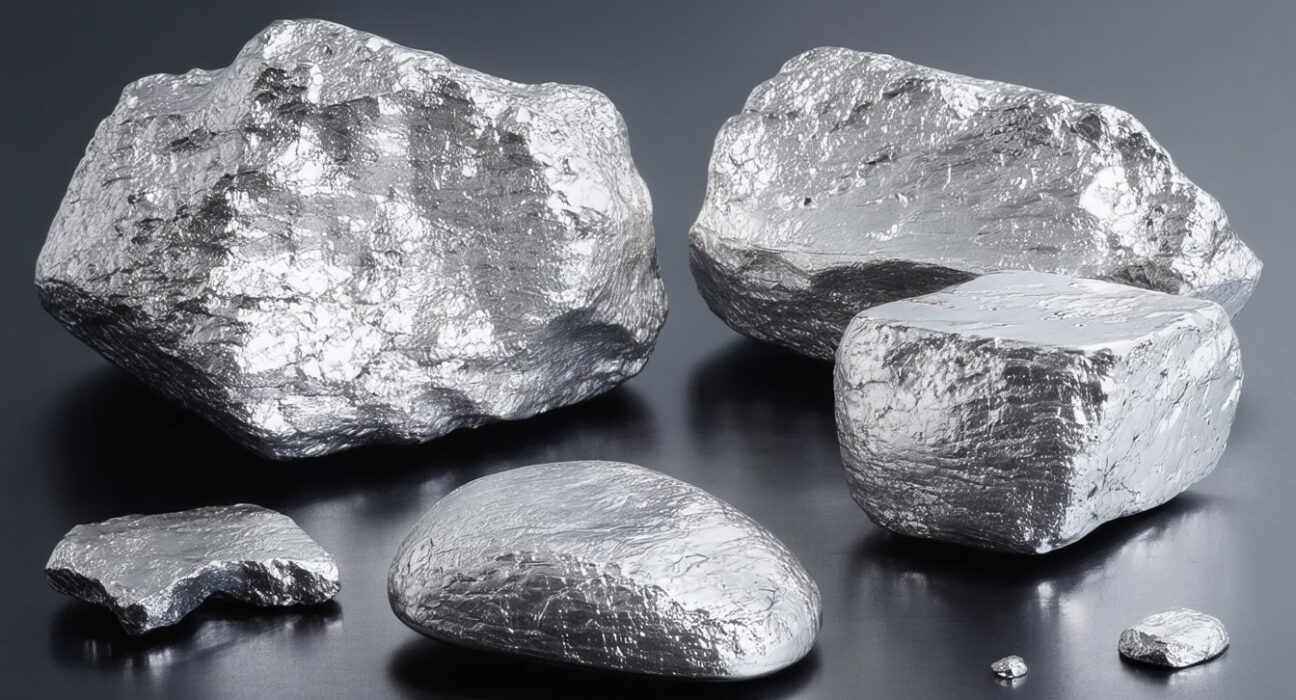
Silver, a lustrous white metal prized for millennia, weaves a unique narrative through human history. Revered by ancient civilizations, it has adorned royalty, catalyzed technological revolutions, and become a cornerstone for both industrial and investment portfolios. Today, silver stands at a dynamic crossroads—valued not only for its elegance and versatility, but also for its increasingly critical role in clean energy, electronics, and global finance. Understanding silver’s properties, applications, and investment potential is essential for anyone drawn to this enduring element.
Properties of Silver: More Than Just Shine
Chemically represented by the symbol Ag, silver boasts a rich portfolio of physical characteristics that explain its wide-ranging uses. As the most electrically conductive of all metals and remarkably malleable, silver is prized in both scientific applications and ornamental design.
Silver’s thermal conductivity outpaces other metals, making it crucial to industries where heat transfer is vital. Its antibacterial properties, discovered in antiquity and confirmed in modern studies, have made silver a mainstay in medical applications for wound care and coatings. Furthermore, the metal’s reflectivity and ease of alloying offer additional routes for innovation in optics and manufacturing.
Key Physical Traits
- Conductivity: Highest electrical and thermal conductivity of any element.
- Malleability: Easily shaped without breaking, suitable for intricate jewelry or high-precision electronics.
- Antimicrobial Effect: Destroys bacteria, a property harnessed in medical and consumer products.
Primary Uses of Silver: Tradition Meets Innovation
While many instantly associate silver with jewelry and ornamental objects, contemporary demand increasingly stems from industrial sectors and technology.
Industrial & Technological Applications
Silver’s unique attributes drive its essential use in modern manufacturing and technology:
- Electronics: Integral component in circuit boards, switches, and conductive inks due to exceptional conductivity.
- Solar Energy: Photovoltaic panels use silver paste for capturing solar energy, making the metal central to the green energy transition.
- Medicine: Silver ions and compounds are employed in antimicrobial dressings and coatings, helping to reduce infections in hospitals.
Real-World Example
Consider the solar industry: As global solar capacity accelerates, silver’s demand tracks closely. Photovoltaic cells depend on silver for their efficiency—recent decades have seen a continual increase in the share of silver directed to solar production.
“The surge in renewable energy projects—especially solar—has made silver a strategic metal for the 21st-century economy,” says an industry analyst with decades of experience in precious metals commodities.
Jewelry, Silverware, and Coinage
Despite industrial advances, silver’s allure remains central to luxury markets:
- Jewelry & Watches: Valued for its luster and workability.
- Collectible Coins and Bullion: Sought by investors and collectors as a source of tangible, portable wealth.
- Tableware & Antiques: Silver’s prestige is on display in heirloom serving sets and decorative objects.
Benefits of Silver: Utility, Value, and Sustainability
The multifaceted nature of silver delivers numerous advantages, both in commercial and personal spheres.
Health and Technology Benefits
Silver’s health benefits are well-documented, especially in antimicrobial contexts. Hospitals employ silver-impregnated tools, gauzes, and even catheters, leveraging the metal’s ability to limit microbial growth and cross-contamination.
In technology, silver’s reliability in extreme environments secures its use in aerospace and sensitive electronic circuits. Its anti-tarnish coatings and alloys extend product lifespans and reduce maintenance.
Sustainable and Strategic Value
Beyond functional benefits, silver represents a bridge to sustainable progress. Its presence in electric vehicles and solar panels supports a lower-carbon global economy, while reclamation and recycling efforts help mitigate environmental impacts. Industrial recovery programs mean a significant share of silver in circulation today comes from recycled sources rather than new mining, reflecting broad shifts toward sustainability.
Silver as an Investment: Trends, Risks, and Opportunity
Market volatility and inflation have sparked renewed interest in tangible assets, propelling silver into the spotlight for both retail and institutional investors.
Forms of Silver Investment
Silver can be accessed through several avenues:
- Physical Bullion: Bars and coins offer direct ownership, appealing for those seeking a hedge against inflation or currency risk.
- Exchange-Traded Funds (ETFs): ETFs track silver prices, providing liquidity and ease of access for broader investors.
- Mining Stocks: Investing in companies that extract and refine silver can deliver leveraged exposure to movements in the underlying commodity.
Market Dynamics and Price Influencers
Silver’s pricing is shaped by multiple intersecting factors. Industrial demand, especially from electronics and renewables, interacts with investment flows and geopolitical uncertainty. Central banks, inflation rates, and global supply disruptions also contribute to price swings. According to industry observers, periods of economic instability often coincide with heightened silver demand, as investors seek portfolio protection and upside from volatility.
Risks to Consider
Although silver displays a tendency for price appreciation in times of uncertainty, it also faces significant risks:
- Price Volatility: Silver is historically more volatile than gold, with sharper price swings.
- Industrial Exposure: Economic slowdowns can reduce demand, pressuring prices.
- Storage and Authenticity Issues: Physical investors must ensure proper storage and vigilance against counterfeits.
The Road Ahead: Silver’s Expanding Role
Looking forward, silver’s strategic footprint is set to widen across emerging industries—particularly as the digital and green economies advance. Clean energy adoption and the electrification of infrastructure could drive significant long-term demand. Innovations in battery technology, nanomaterials, and even medical devices continue to expand silver’s relevance well into the future.
Conclusion
Silver’s enduring legacy is matched only by the breadth of its modern applications. From critical roles in cutting-edge technology and renewable energy to its longstanding function as a store of value, silver remains indispensable to both industry and investors. As markets and technologies evolve, silver’s rare combination of physical, economic, and symbolic value ensures it will remain a material of consequence, deserving the attention of anyone interested in science, industry, or finance.
FAQs
What factors influence the price of silver?
Silver prices are affected by a blend of industrial demand, geopolitical uncertainty, inflation rates, central bank activity, and broader investment trends. Supply disruptions and changes in manufacturing practices can also cause significant price movements.
How is silver used in solar panels?
Silver is a key material in photovoltaic cells, where it helps conduct electricity generated by sunlight. Its unmatched conductivity enhances the efficiency of solar energy systems.
Is silver a good hedge against inflation?
Historically, silver has served as a hedge during inflationary periods, preserving purchasing power when fiat currencies lose value. However, its prices can be volatile and are impacted by industrial cycles as well as macroeconomic trends.
What are the main risks of investing in silver?
Investors face risks including significant price volatility, potential declines in industrial demand during economic slowdowns, and the need for secure storage of physical silver to avoid theft or counterfeits.
Can silver be recycled, and how sustainable is it?
A substantial portion of industrial silver is reclaimed through recycling, especially from electronics and medical equipment. This contributes to sustainability by reducing the need for new mining and minimizing environmental impact.
How does silver differ from gold as an investment?
Silver tends to be more volatile than gold and has greater industrial utility, while gold is often seen as a pure safe-haven asset. Silver’s dual role in industry and investment can lead to different performance patterns depending on economic conditions.