


As the heartbeat of the U.S. stock market, the S&P 500 index is more than just a collection of 500 large-cap companies—it’s a source of consistent insight into broader economic sentiment, corporate health, and investor expectations. Tracked avidly by market professionals and individual investors alike, the S&P 500 serves as both a benchmark for institutional portfolios and the foundational pillar for countless retirement and investment accounts. Its performance in recent years has reflected not just the vibrancy of American business, but the adaptability and challenges faced in rapidly changing market landscapes.
Recent Performance of the S&P 500: Navigating Volatility and Opportunity
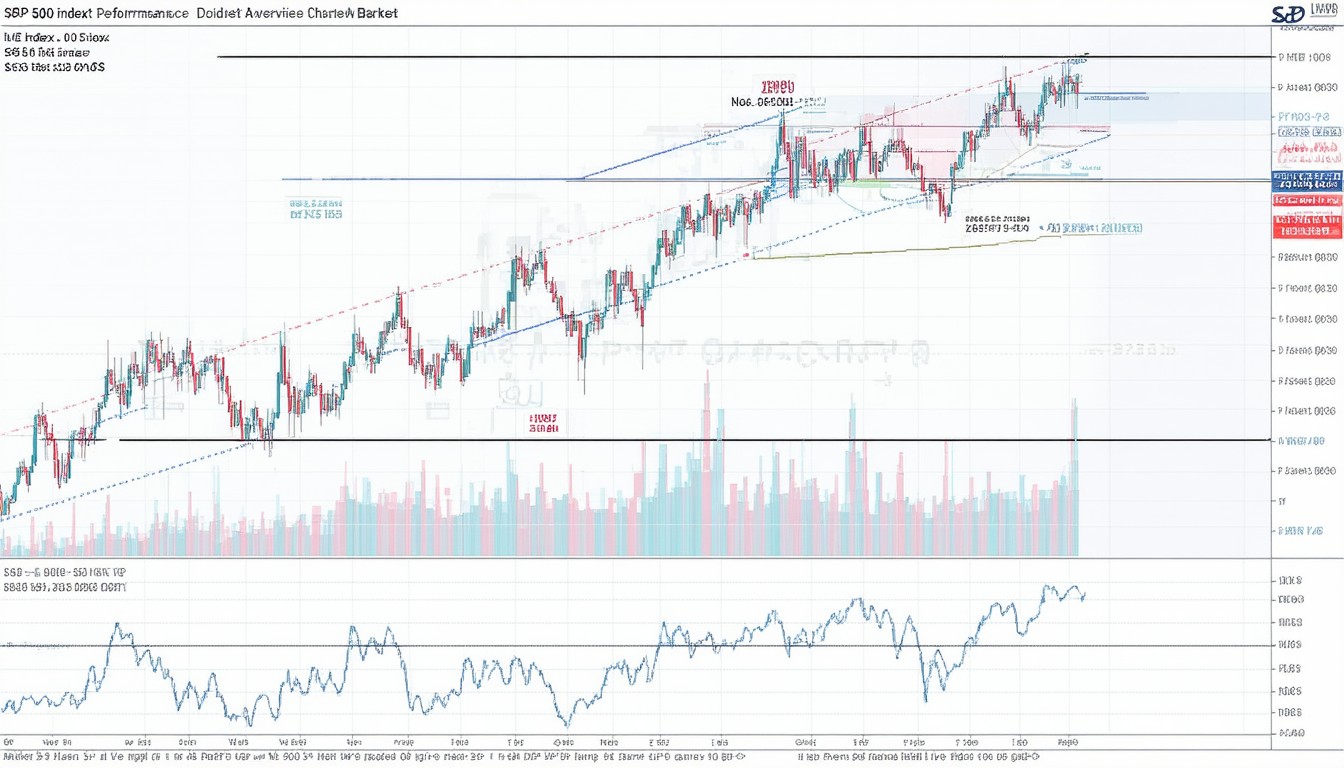
The S&P 500’s most recent trajectory has been marked by resilience in the face of significant global headwinds. After experiencing dramatic swings in 2020 amidst the onset of the COVID-19 pandemic, the index staged a robust recovery, propelled by massive fiscal stimulus and strong rebounds in technology, healthcare, and consumer discretionary sectors.
Market Drivers: Inflation, Interest Rates, and Tech Leadership
Throughout the past two years, inflationary pressure and shifting Federal Reserve policy have consistently dictated market sentiment. Interest rate hikes—implemented in an attempt to curtail rising prices—translated to higher borrowing costs and cautious consumer spending. Yet, the S&P 500’s technology constituents, including industry giants like Apple, Microsoft, and Nvidia, have provided outsized contributions, buoying performance even as other sectors experienced stagnation.
On the corporate earnings front, a number of blue-chip companies reported record profits, yet commentary from Wall Street strategists has often urged caution. “Market breadth has thinned, and while a handful of megacap stocks are propping up the index, there are growing divergences under the surface,” noted one portfolio manager from a major New York asset management firm.
Sector Rotation: Winners and Laggards
While technology and communication services led substantial gains, other sectors such as utilities and consumer staples delivered comparatively modest returns. Energy stocks, after surging during periods of elevated oil prices, have seen more volatility as global supply chains stabilize. Financials, meanwhile, have endured the dual strain of recessionary concerns and a flat yield curve.
The result? A more nuanced overall index performance, challenging passive investors to understand what’s driving returns beyond headline numbers.
Trends Shaping the S&P 500: Innovation, Globalization, and ESG
Beyond raw returns, several noteworthy trends are shaping both the composition and outlook for the S&P 500.
The Rise of Mega-Cap Dominance
A defining trend has been the rising influence of the largest companies in the index—sometimes referred to as the “Magnificent Seven” (a nod to firms like Apple, Microsoft, Alphabet, Amazon, Nvidia, Tesla, and Meta Platforms). These names alone now account for a significant share of the S&P 500’s total market capitalization, raising questions about diversification and concentration risk.
Global Economic Integration
Another critical trend is the globalization of S&P 500 revenues. As much as 40% or more of aggregate S&P 500 sales are generated outside the United States, exposing the index to currency fluctuations, international consumer trends, and geopolitical risk. This means that events such as trade tensions, global pandemics, or regional growth spurts can ripple quickly through S&P 500 valuations.
The ESG Imperative
Growing emphasis on environmental, social, and governance (ESG) criteria is further reshaping investment flows. Many constituent companies now prioritize reporting on sustainability, climate action, and corporate responsibility. Large institutional investors are demanding more thorough ESG disclosures, impacting both capital allocation and long-term stock performance.
“Investors are increasingly looking at the S&P 500 not just as an economic bellwether, but as a proxy for sustainability and innovation leadership among global corporations,” underscores a senior analyst at a leading sustainable investing firm.
Investment Insights: Strategies for Navigating the S&P 500
For investors, understanding the nuances of the S&P 500 can open paths to smarter portfolio decisions—especially in a shifting macro environment.
Passive Indexing: The Appeal of Broad Exposure
Low-cost S&P 500 index funds remain one of the most popular investment vehicles due to their historical reliability, diversification, and ease of access. These funds capture marketwide growth by reflecting the collective performance of the 500 constituent companies. Many long-term investors favor this approach for its ability to participate in the overall direction of U.S. large-cap equities while minimizing single-stock risk.
Active Approaches: Sector and Thematic Allocation
For those seeking to outperform the index, sector rotation or thematic investing offers targeted exposure. During periods when technology or energy sectors show momentum, overweighting these areas can yield higher returns—though with added volatility. Furthermore, investors are increasingly exploring ESG-focused funds that track sustainability leaders within the S&P 500 universe.
Risks and Considerations: Beyond the Headline Index
While the S&P 500 boasts a strong long-term track record, it’s crucial not to overlook risks:
- Concentration Risk: The dominance of a few tech giants can amplify swings based on sector or company-specific news.
- Market Cycles: The index is subject to economic expansions and contractions—with corrections and bear markets an inherent part of the journey.
- Global Shocks: As international revenues swell, global events can impact returns, sometimes beyond the scope of U.S.-centric analysis.
Real-World Perspectives: The S&P 500 in Action
Consider the COVID-19 era: in spring 2020, the S&P 500 plummeted over 30% in a matter of weeks, only to recover and achieve new highs by late 2021 as vaccines and economic reopening propelled confidence. More recently, the index has seen heightened volatility amid inflationary pressures and regional banking disruptions, underscoring the importance of adaptability and risk management in portfolio strategy.
Lessons from Institutional Investors
Major pension funds and endowments continue to allocate significant assets to S&P 500-linked funds—the stability, liquidity, and transparency of the index make it a mainstay for large pools of capital seeking steady growth with manageable risk.
Conclusion: The S&P 500’s Enduring Appeal and Strategic Role
Spanning hundreds of market leaders and reflecting the pulse of the U.S. economy, the S&P 500 remains a critical tool for investors, analysts, and economists alike. Recent trends—such as technology sector dominance, globalization, and ESG integration—underscore the index’s dynamic nature. For both passive and active investors, staying alert to underlying drivers and potential risks is essential for harnessing the S&P 500’s long-term growth potential.
FAQs
What is the S&P 500 index?
The S&P 500 is a market-capitalization weighted index comprising 500 of the largest publicly traded companies in the United States, serving as a key benchmark for U.S. stock market performance.
How is the S&P 500 calculated?
The index is calculated based on the total float-adjusted market value of its constituent companies, with larger firms having a greater influence on the overall index movement.
Why do investors follow the S&P 500 so closely?
Investors monitor the S&P 500 because it represents a broad cross-section of the U.S. economy and provides a reliable gauge for market health, diversification, and overall trends affecting large-cap stocks.
What factors influence performance in the S&P 500?
Macroeconomic trends, monetary policy shifts, sector leadership, and geopolitical events all significantly impact the S&P 500’s movements. The performance of a handful of mega-cap stocks can also sway the entire index.
Are S&P 500 index funds a good investment?
S&P 500 index funds are widely regarded as solid long-term investments due to their historical performance, diversification, and cost efficiency, though investors should remain aware of concentration risks and market cycles.
How often does the composition of the S&P 500 change?
S&P Dow Jones Indices regularly reviews the index, with companies added or removed based on market capitalization, financial viability, and sector representation to ensure the index remains relevant to the current market.