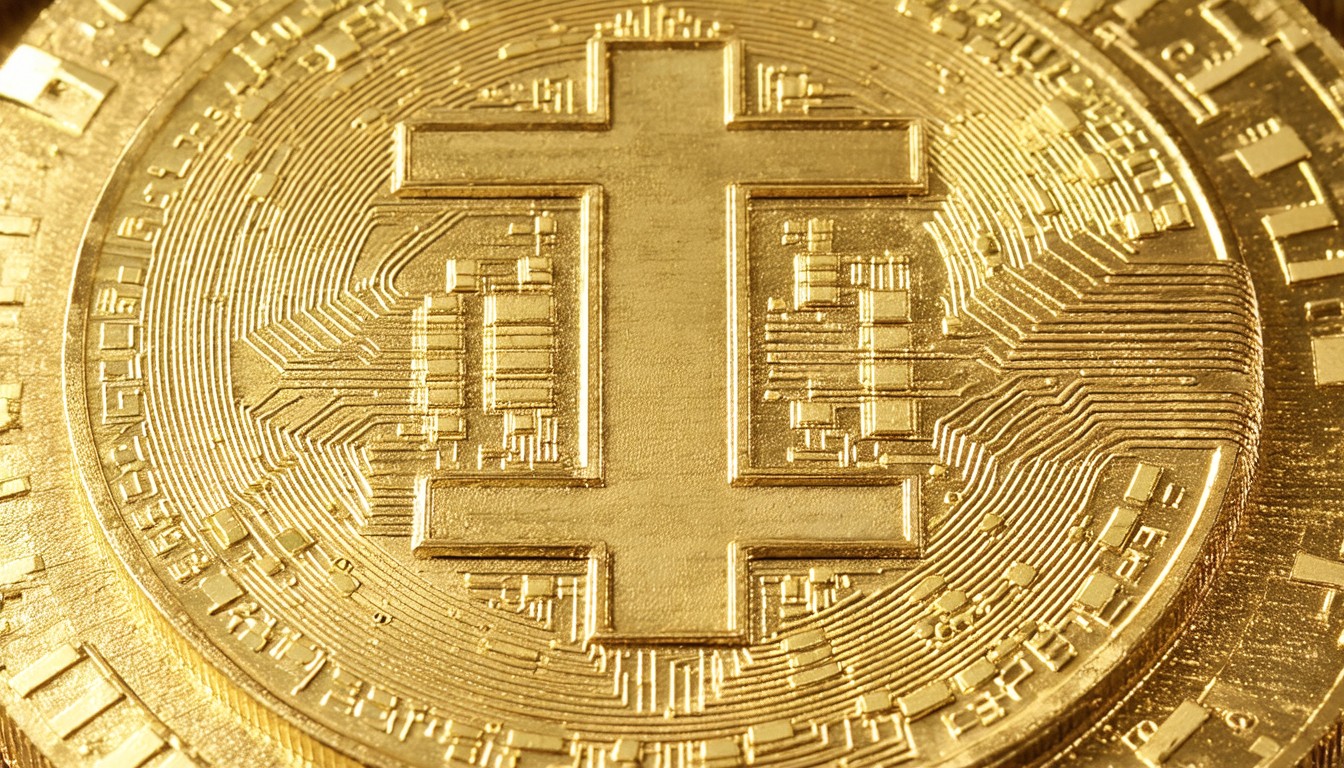



Gold has stood as a universal symbol of wealth for centuries—prized for its scarcity, intrinsic value, and status as a hedge against uncertainty. But as the world pivots toward digital finance, a new frontier is merging tradition with innovation: tokenized gold. By blending the enduring value of physical gold with the speed and transparency of blockchain, tokenized gold products are beginning to disrupt global investment markets and reshape the way institutions and individuals access one of the world’s oldest assets.
Understanding Tokenized Gold: Merging Physical Assets with Digital Technology
Tokenized gold represents physical gold—typically vaulted and audited—using digital tokens on a blockchain network. Each token is backed by a specific quantity of physical gold (often one gram or one troy ounce), allowing investors to purchase, sell, or transfer gold in fractional amounts quickly and cost-effectively.
The Mechanics of Tokenization
Tokenized gold platforms leverage blockchain’s immutable ledger, offering:
- Transparent proof of gold reserves (often with public audits)
- Fractional ownership, enabling accessible investment at any scale
- Rapid, borderless settlement compared to traditional gold trading
A growing number of projects—Tether Gold (XAUT), Pax Gold (PAXG), and Perth Mint Gold Token (PMGT), to name a few—have successfully bridged gold’s stability with the programmability and liquidity of digital assets.
“Tokenized gold allows investors to sidestep many obstacles associated with physical gold—such as storage, security, and liquidity—while retaining direct exposure to gold’s price,” explains Janine Hirt, CEO of Innovate Finance.
Real-World Adoption: Growing Interest and Use Cases
Large financial institutions, fintech startups, and even central banks have begun exploring tokenized gold as part of their broader digital asset strategies. Notably, Switzerland’s Vontobel and Singapore’s InfiniGold have launched tokenized gold products backed by insured vaults, providing regulatory clarity and investor protection. Meanwhile, individuals in markets with high currency volatility—such as Turkey or Nigeria—have turned to tokenized gold as a practical inflation hedge.
Advantages and Challenges of Tokenized Gold Investment
Tokenized gold offers a compelling blend of benefits, but the space is not without its complexities.
Advantages
1. Enhanced Accessibility:
Investors can purchase very small fractions of gold, opening doors for broader participation worldwide.
2. Liquidity:
Digital tokens are traded 24/7 on global exchanges, making gold exposure more liquid compared to traditional gold markets, which often involve cumbersome settlement and verification processes.
3. Transparency:
Blockchain-based tokenized gold platforms often provide real-time audit trails and reserve attestations, boosting trust and reducing counterparty risk.
4. Cost Efficiency:
Owning tokenized gold sidesteps many costs tied to physical gold—such as insurance, handling, and storage—reducing entry barriers and operational friction.
Challenges
1. Regulatory Uncertainty:
Jurisdictions differ widely on how tokenized assets are classified and governed. Investors must weigh potential legal ambiguities.
2. Custodial Risk and Trust:
While many providers tout transparency, the security and credibility of the underlying vault must be rigorously verified.
3. Market Maturity:
The ecosystem for tokenized gold remains young compared to established commodities markets. Issues like limited trading pairs, platform risk, and systemic regulation are ongoing concerns.
4. Technology Barriers:
Those unfamiliar with digital wallets or blockchain can find the process intimidating, hindering widespread adoption among traditional gold buyers.
Tokenized Gold in Practice: Institutional and Retail Impact
Institutional Uptake
Leading asset managers and family offices are increasingly experimenting with tokenized gold allocations, drawn by the combined appeal of liquidity and stability. For example, WisdomTree’s physically-backed gold exchange-traded product (ETP) integrates blockchain features, broadening distribution and lowering operating expenses. Financial institutions are also assessing tokenized gold for remittance, as a reserve asset, and as collateral in DeFi protocols.
Retail Empowerment
For retail investors, tokenized gold democratizes what was once the preserve of the elite. Small-scale investors can hold digital gold in their mobile wallets, exchange it instantly, and even use it as collateral in emerging decentralized finance (DeFi) platforms. This access is especially transformative in markets with capital controls or high inflation, allowing savers to preserve wealth in a more frictionless, borderless manner.
A Mini Case Study: Pax Gold (PAXG)
Pax Gold, developed by the Paxos Trust Company, has become a standout. Each PAXG token is fully backed by one fine troy ounce of London Good Delivery gold, stored in Brink’s vaults. Users enjoy fractional ownership, can redeem tokens for actual bars, and benefit from regular audits and regulatory compliance under New York state law. With trading volumes consistently ranking among the highest in the tokenized gold sector, PAXG has set a benchmark for transparency and investor confidence.
Looking Ahead: The Future of Tokenized Gold
Tokenized gold sits at the intersection of two powerful trends: digitization and investor demand for tangible, inflation-resistant assets. As blockchain adoption broadens and regulatory frameworks evolve, the volume and variety of tokenized gold instruments are expected to grow.
Beyond simple investment, digital gold can underpin stablecoin reserves, support global remittance flows, and create a new class of programmable assets for lending and borrowing. The convergence of regulated storage, transparent record-keeping, and instant settlement could eventually bring gold investments to millions who have previously been excluded from the market.
“The ultimate promise of tokenized gold is financial inclusion—not just for crypto-natives, but for anyone seeking digital access to one of humanity’s oldest and most reliable stores of value,” notes Michael Sonnenshein, CEO of Grayscale Investments.
Yet, the space will require ongoing commitment to transparency, sound custody, and clear legal frameworks to fully realize its potential.
Conclusion
Tokenized gold represents a milestone in the evolution of both gold and digital assets—breaking down barriers and reimagining access for all investor types. By leveraging blockchain’s technological advances, tokenized gold delivers liquidity, transparency, and inclusiveness, while preserving gold’s essential role as a time-tested, inflation-resistant asset. As new platforms, products, and regulations take shape, the digitization of gold appears poised to become a mainstay of global finance, creating wealth-preserving opportunities in a seamlessly connected world.
FAQs
What is tokenized gold and how does it work?
Tokenized gold is a digital representation of physical gold stored in vaults, issued as blockchain-based tokens. Each token typically corresponds to a specific amount of real gold, offering transparent, fractional ownership.
How is tokenized gold different from traditional gold ETFs?
Tokenized gold allows for direct ownership and on-chain transfers, often with enhanced auditability and lower minimum investment sizes, while many ETFs expose investors to gold only through financial instruments and may involve higher fees.
Are tokenized gold assets regulated?
Regulation varies by provider and jurisdiction. Leading tokenized gold projects seek licenses and comply with financial oversight, but global standards are still evolving, so due diligence is advised.
Can I redeem tokenized gold for physical gold?
Many platforms—like Pax Gold and Tether Gold—allow redemption of tokens for physical gold, although minimum amounts and shipping logistics apply.
What risks are involved in investing in tokenized gold?
Risks include regulatory changes, platform or custodial failure, cyber threats, and market volatility. As with any investment, careful research and secure storage practices are recommended.
Does tokenized gold protect against inflation?
Tokenized gold tracks the price of physical gold, making it a potential hedge against currency devaluation and inflation, much like traditional gold investments.