

Inflation, a persistent rise in the general price level of goods and services, is both an economic indicator and a lived experience for millions across the United States. In the wake of the COVID-19 pandemic, inflation has reemerged at the center of public discourse, influencing everything from grocery bills to macroeconomic policy. American consumers and policymakers alike have been grappling with the impact of prices rising faster than wages, while businesses adjust to shifting costs and supply chain disruptions.
U.S. inflation trends are closely watched because they reverberate through global markets and affect economic confidence worldwide. Over the past few years, inflation rates in the U.S. surged to multi-decade highs before beginning to moderate, drawing sharp scrutiny from economists, investors, and households alike. Understanding the trends, root causes, and economic implications is essential for anyone seeking to navigate this shifting landscape.
Key Trends in U.S. Inflation
Recent Historical Patterns
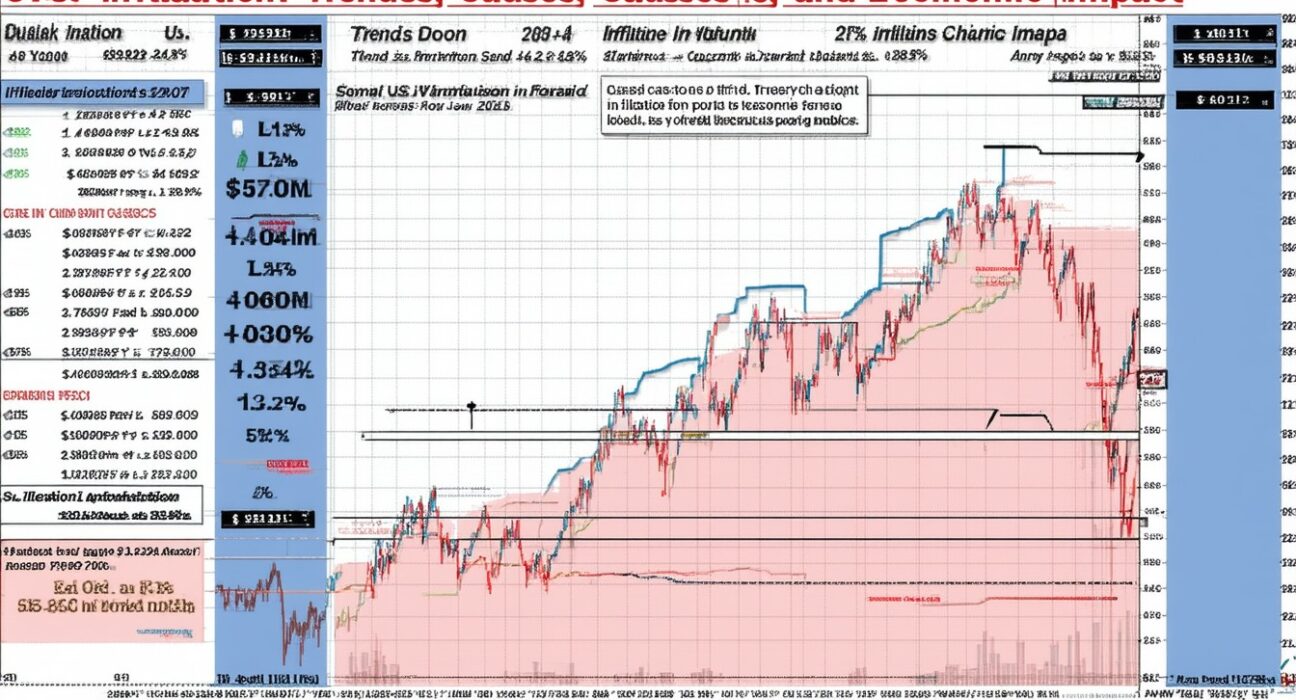
Prior to 2020, U.S. inflation had hovered near the Federal Reserve’s 2% target for many years. This relative stability was disrupted by a complex interplay of factors following the onset of the pandemic. By 2021 and into 2022, inflation rose to levels not seen since the early 1980s.
Several major trends emerged:
- Energy and Food Price Spikes: Volatile oil prices and global supply chain disruptions contributed to sharp increases in the cost of gasoline and groceries.
- Shelter Costs: Housing and rental prices rose swiftly in many regions, outpacing wage growth and squeezing household budgets.
- Service Sector Acceleration: With labor shortages and pent-up demand, the service sector—from travel to dining—saw significant price hikes.
The Consumer Price Index (CPI), a primary measure of inflation, recorded increases well above historical averages. As the Federal Reserve responded with aggressive interest rate hikes, inflation began to ease, though specific sectors remain stubbornly high.
Structural Versus Transitory Effects
Economists have vigorously debated whether the recent surge in U.S. inflation is transitory—a temporary response to pandemic shocks—or indicates deeper structural issues. While supply chain normalization and base effects have cooled some inflationary pressures, sticky costs in areas like shelter and health care suggest certain drivers may persist irrespective of short-term fluctuations.
Causes of U.S. Inflation: Multiple Forces at Play
Pandemic-Related Disruptions
The COVID-19 pandemic unleashed a wave of unprecedented challenges:
- Supply Chain Failures: Global bottlenecks in manufacturing, shipping, and logistics drove prices upward, particularly for goods like automobiles, electronics, and building materials.
- Labor Market Shifts: An abrupt decline in labor force participation, paired with sustained consumer demand, pushed up wages and contributed to service sector inflation.
- Pent-Up Demand: As restrictions eased and government stimulus reached households, a rapid rebound in demand outstripped the economy’s ability to supply goods and services, further fueling price increases.
Monetary and Fiscal Policies
The unprecedented fiscal stimulus—trillions in government spending—and the Federal Reserve’s accommodative policies played critical roles:
“When economic disruptions collide with large-scale fiscal response, inflation can accelerate faster than traditional models predict,”
says Dr. Ellen Myers, senior economist at the National Policy Institute.
Low interest rates made borrowing cheap, while direct payments and expanded benefits boosted household spending power.
Geopolitical and Global Influences
Events on the international stage, such as the war in Ukraine, have amplified inflationary pressures through energy and commodity markets. Wheat and oil prices, for instance, spiked after supply disruptions, contributing to food and fuel inflation in the U.S. and abroad.
Economic Impacts of U.S. Inflation
Effects on Households
For most American families, inflation is tangible in everyday life:
- Reduced Purchasing Power: As prices climb, the real value of wages can erode if income growth fails to keep pace.
- Wealth Inequality: Lower-income households—whose spending skews toward necessities like food, energy, and rent—feel inflation’s pinch most acutely.
- Changing Consumption Patterns: Consumers may shift to private-label products, adjust travel plans, or delay major purchases when faced with uncertain prices.
Business Responses and Challenges
Businesses are also forced to adapt:
- Input Cost Pressures: Rising raw materials, transportation, and labor costs squeeze profit margins.
- Pricing Strategies: Companies must balance passing on costs to consumers without dampening demand, often leading to “shrinkflation” (offering less product for the same price).
- Investment Uncertainty: Fluctuating inflation adds complexity to capital investment and hiring decisions, occasionally slowing expansion.
Federal Reserve Policy Moves
The Federal Reserve plays a critical counter-inflationary role. Its steady rollout of interest rate hikes in response to persistent inflation is designed to cool demand:
- Higher Borrowing Costs: Mortgages, car loans, and business credit become more expensive, discouraging spending and investment.
- Potential Recessionary Risk: Aggressive tightening raises the prospect of curbing inflation at the expense of economic growth and employment.
Broader Economic Ramifications
Financial Markets and Investor Sentiment
Inflation ripples through stock, bond, and real estate markets:
- Equities: Sectors like consumer staples and energy have sometimes outperformed during inflationary periods, while tech and growth stocks often dip as borrowing costs rise.
- Bonds: Higher inflation generally depresses bond prices as investors demand greater yields.
- Real Assets: Real estate, commodities, and infrastructure investments may provide a hedge against inflation’s erosive impact on paper assets.
Long-Term Policy and Structural Considerations
Persistent inflation can prompt:
- Policy Recalibration: Calls for tighter monetary policy, targeted fiscal relief, and supply chain resilience.
- Sociopolitical Tensions: Rising costs of living may fuel public discontent, affecting electoral outcomes and policy priorities.
Historical episodes, such as the 1970s “stagflation,” are often cited as cautionary tales—but today’s economic context features unique dynamics, including more globalized supply chains and advanced monetary tools.
Conclusion: Navigating the Next Phase of U.S. Inflation
U.S. inflation remains a complex challenge shaped by a web of domestic and international factors. While recent data suggests a moderating trend, certain areas of persistent cost pressure endure. Policymakers, businesses, and households must remain vigilant and adaptable as the economic landscape evolves. Strategic responses—ranging from supply chain investments to targeted fiscal relief—will be pivotal in shaping the future path of inflation and its broader impact on American prosperity.
FAQs
What is driving current U.S. inflation rates?
Contemporary U.S. inflation is driven by a mix of supply chain disruptions, labor market imbalances, global events affecting commodities, and the lingering effects of pandemic-era fiscal and monetary policies.
How does inflation impact the average American household?
Inflation erodes purchasing power by raising the cost of essentials such as food, gasoline, housing, and healthcare. Lower-income families often feel the impact more severely, as a greater proportion of their budget goes toward necessities.
What actions is the Federal Reserve taking to control inflation?
The Federal Reserve has responded with a series of interest rate increases, aiming to make borrowing more expensive and slow down consumption and investment, which can help bring inflation under control.
Are there any investments that perform well during periods of high inflation?
Real assets like commodities, real estate, and inflation-protected securities often perform better during inflationary periods, while traditional bonds and some growth stocks may lag.
Could inflation lead to a recession?
If inflation remains high and requires aggressive interest rate hikes, the resulting slowdown in demand and investment could push the economy into recession. However, this outcome depends on various factors, including labor market strength and global economic conditions.
Is U.S. inflation expected to return to previous low levels soon?
While some inflationary pressures are easing, certain persistent factors—like housing and healthcare costs—suggest that inflation may remain elevated compared to the past decade, at least in the short term.