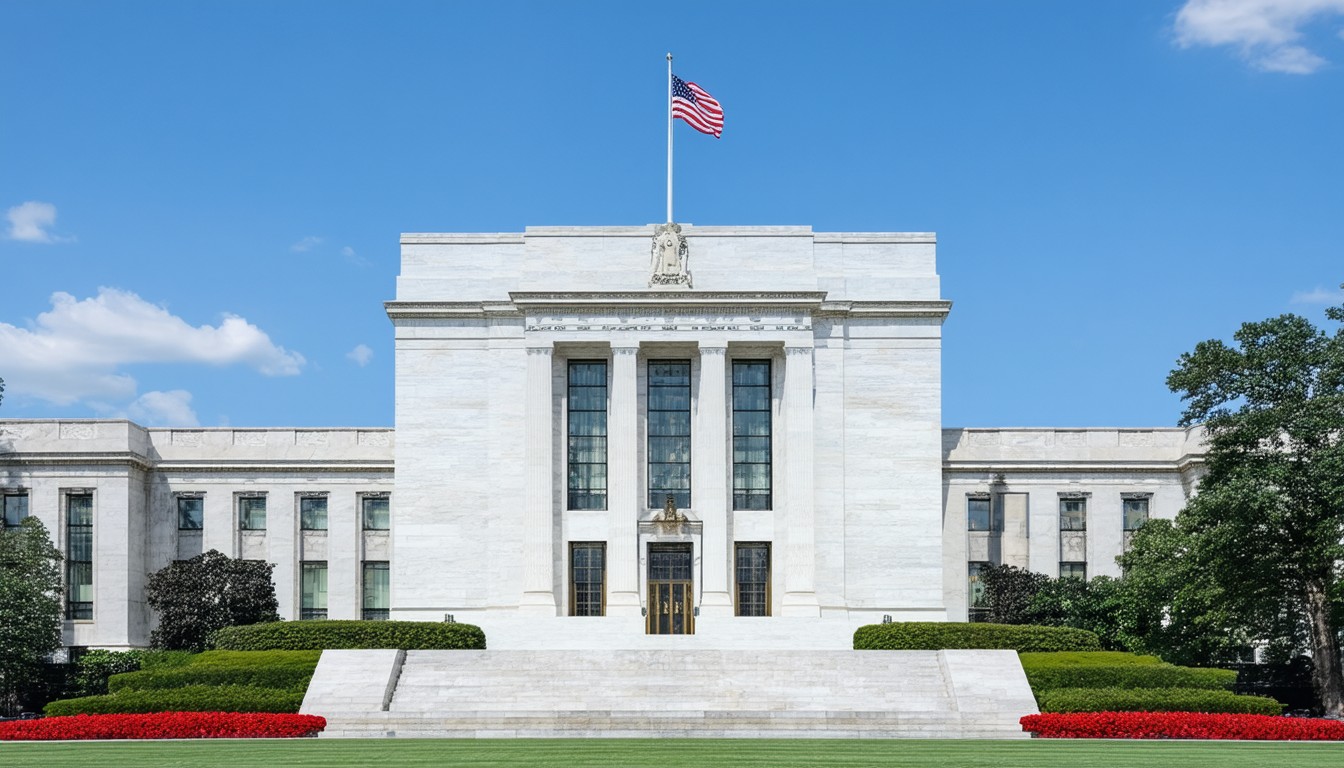


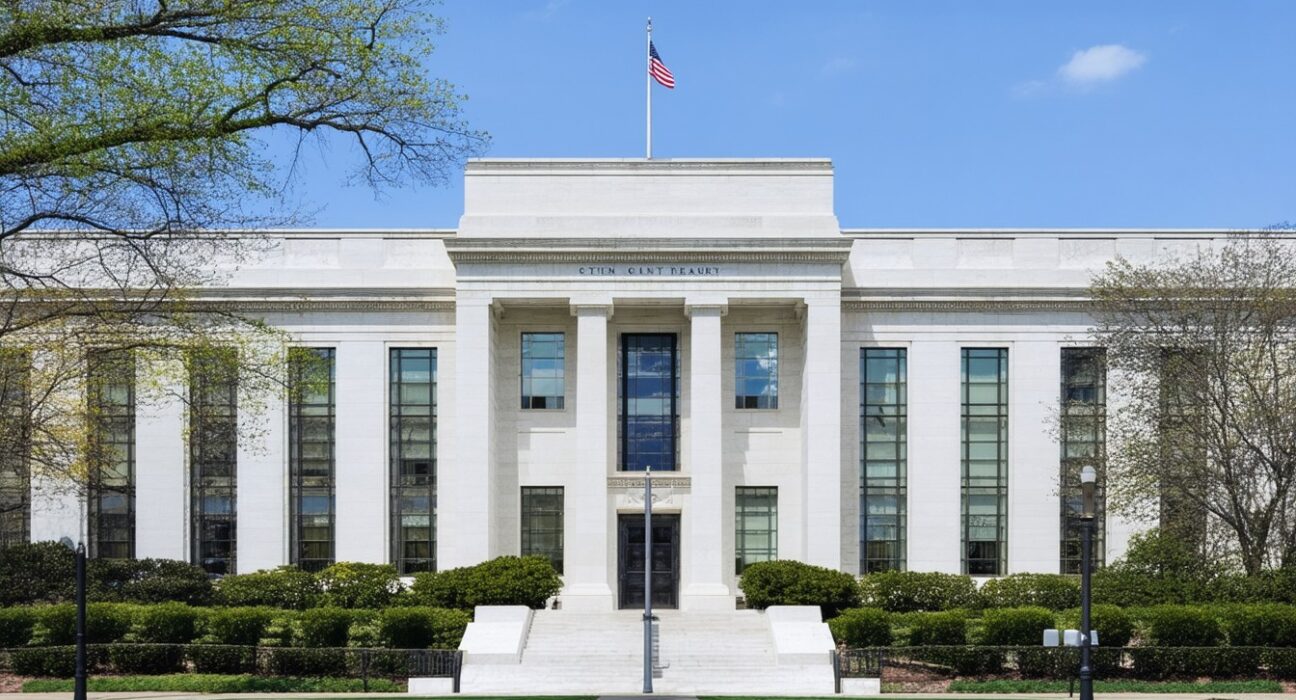
Few institutions are as central to the stability and function of the United States economy as the U.S. Treasury. Established in 1789 under the first Congress, the Treasury Department’s reach extends into every corner of the nation’s financial infrastructure—from managing federal finances to overseeing the production of currency and formulating economic policy. Its operations underpin everything from paying Social Security benefits and financing public infrastructure to responding to major financial crises. Understanding the functions, roles, and impact of the U.S. Treasury isn’t just for policy wonks; it’s crucial context for investors, business leaders, and everyday citizens alike.
Core Functions of the U.S. Treasury
At its core, the U.S. Treasury is tasked with managing the nation’s finances. This responsibility encompasses several discrete but interrelated areas.
Managing Federal Revenue and Expenditure
The Treasury is responsible for collecting federal taxes (primarily through the Internal Revenue Service), paying out public expenditures, and managing the government’s cash flow. Beyond this, the Treasury oversees the federal government’s accounting and reporting systems. Its Bureau of the Fiscal Service tracks federal payments, receipts, and borrowing.
For example, during the pandemic-driven economic downturn, the Treasury played an integral role in rapid stimulus payments, disbursing trillions of dollars through enhanced unemployment benefits and direct payments to citizens.
Issuing U.S. Government Debt
To finance federal operations and national programs not covered by tax receipts, the Treasury issues debt instruments such as Treasury bills, notes, and bonds. These securities are respected worldwide as “risk-free” benchmarks and underpin global financial markets. U.S. Treasuries serve as vital safe-haven assets for investors, especially during periods of uncertainty.
The regular auctions of Treasury securities ensure ongoing liquidity, both funding the government and influencing interest rates throughout the economy.
Producing Currency and Coinage
Through its Bureau of Engraving and Printing and the U.S. Mint, the Treasury is also responsible for the design, production, and safeguarding of America’s currency. While most economic transactions are now electronic, physical dollars and coins remain an emblem of trust in the U.S. financial system.
The Treasury’s Regulatory and Oversight Roles
The U.S. Treasury operates in close concert with other economic agencies and has a significant role in financial oversight, anti-financial crime efforts, and national security.
Supervising National Banks and Enforcing Sanctions
While direct regulation of banks is undertaken by other agencies, the Treasury—primarily via the Office of the Comptroller of the Currency (OCC)—charters, regulates, and supervises all national banks and federal savings associations. It also plays a key role in anti-money laundering and counter-financing of terrorism through the Financial Crimes Enforcement Network (FinCEN).
Moreover, the Treasury administers and enforces economic sanctions against foreign countries and regimes that threaten the security or policy interests of the United States.
“The U.S. Treasury doesn’t just keep America’s finances in order—it’s also a critical player in ensuring the integrity of the global financial system,” notes Dr. Anna Lin, an international finance scholar at Columbia University.
Policy Formulation and International Engagement
The Treasury advises the President on domestic and international economic and financial policy. This includes negotiating with other countries on trade and monetary issues, participating in global economic institutions such as the International Monetary Fund (IMF) and World Bank, and combating global tax evasion and illicit finance.
Recently, the Treasury’s role expanded in response to new challenges like cryptocurrency regulation and cyber risks in global finance, reflecting its adaptive approach in a rapidly shifting economic landscape.
The U.S. Treasury’s Impact on the U.S. Economy
The Treasury’s policies and operations have wide-reaching effects on interest rates, inflation, employment, and exchange rates.
Influencing Monetary Conditions
While the Federal Reserve is responsible for monetary policy, the Treasury’s debt management strategies influence liquidity in the financial system. For example, large-scale bond issuance can impact yields, indirectly affecting borrowing costs for consumers and businesses.
During the 2008 Global Financial Crisis, the Treasury worked in tandem with the Federal Reserve to implement programs like the Troubled Asset Relief Program (TARP), preventing a deeper collapse and laying groundwork for eventual recovery.
Crisis Management and Economic Stabilization
The Treasury steps decisively during economic emergencies. In both the 2008 financial crisis and the COVID-19 pandemic, its swift policy responses—stimulus payments, loan guarantees, and backstopping key financial markets—were instrumental in containing systemic risks.
Such interventions illustrate the Treasury’s dual role as both steward and guardian of economic stability.
Shaping Global Confidence
U.S. Treasury securities underpin the status of the U.S. dollar as the world’s reserve currency. This confers significant economic benefits, including lower borrowing costs for the U.S. government and unparalleled diplomatic leverage in international affairs.
However, persistent debates about rising federal debt and periodic standoffs over the debt ceiling periodically roil global markets, reinforcing the Treasury’s pivotal influence.
Key Departments and Their Responsibilities
The Treasury is composed of various bureaus and offices, each with distinct mandates:
- Bureau of the Fiscal Service: Manages borrowing, central accounting, and payment services.
- IRS (Internal Revenue Service): Oversees tax collection and enforcement.
- Office of Foreign Assets Control (OFAC): Administers economic and trade sanctions.
- FinCEN: Focuses on anti-money laundering and combatting financial crimes.
- U.S. Mint and Bureau of Engraving and Printing: Produce coins and paper currency.
These interlocking roles are essential for efficient fiscal execution and policy enforcement.
Real-World Examples: The Treasury in Action
Throughout its history, the Treasury has responded rapidly to moments of national challenge:
- Pandemic Stimulus (2020–2021): Disbursed rapid financial support to households and businesses, helping stabilize demand.
- Debt Ceiling Negotiations: The Treasury’s management of payment priorities during political standoffs reassured global investors and preserved confidence in U.S. creditworthiness.
- Modernization Initiatives: The adoption of digital payment infrastructure for federal benefits illustrates ongoing adaptation to technology and public needs.
These examples underscore the Treasury’s practical relevance far beyond government buildings.
Conclusion: The Enduring Importance of the U.S. Treasury
The U.S. Treasury stands at the heart of America’s financial system, providing not just operational backbone but also strategic direction during times of crisis or change. Its blend of fiscal management, regulatory oversight, and economic diplomacy continues to shape both national prosperity and global stability. Staying attuned to the Treasury’s decisions and initiatives matters—whether you’re an investor, policymaker, or simply navigating economic uncertainty.
FAQs
What is the main function of the U.S. Treasury?
The U.S. Treasury manages federal revenue, pays government bills, issues debt, and oversees the production of currency, ensuring that national finances remain stable and transparent.
How does the Treasury affect interest rates?
By issuing or buying back government debt, the Treasury indirectly influences liquidity in financial markets, which can have an impact on interest rates even though monetary policy is set by the Federal Reserve.
What role does the Treasury play in economic crises?
During crises, the Treasury implements emergency fiscal measures such as stimulus payments or loan programs, working to stabilize the economy and maintain public confidence.
How does the Treasury fight financial crime?
The Treasury, through agencies like FinCEN and OFAC, enforces anti-money laundering laws and economic sanctions, helping to prevent illicit finance and ensure integrity in the financial system.
Why are U.S. Treasury securities considered safe investments?
U.S. Treasury securities are backed by the full faith and credit of the U.S. government, making them highly reliable and a benchmark for risk-free investment worldwide.
What happens if the U.S. hits the debt ceiling?
If the debt ceiling is reached and not raised, the Treasury must prioritize payments and may have to delay or limit some government disbursements, potentially leading to broader economic uncertainty.