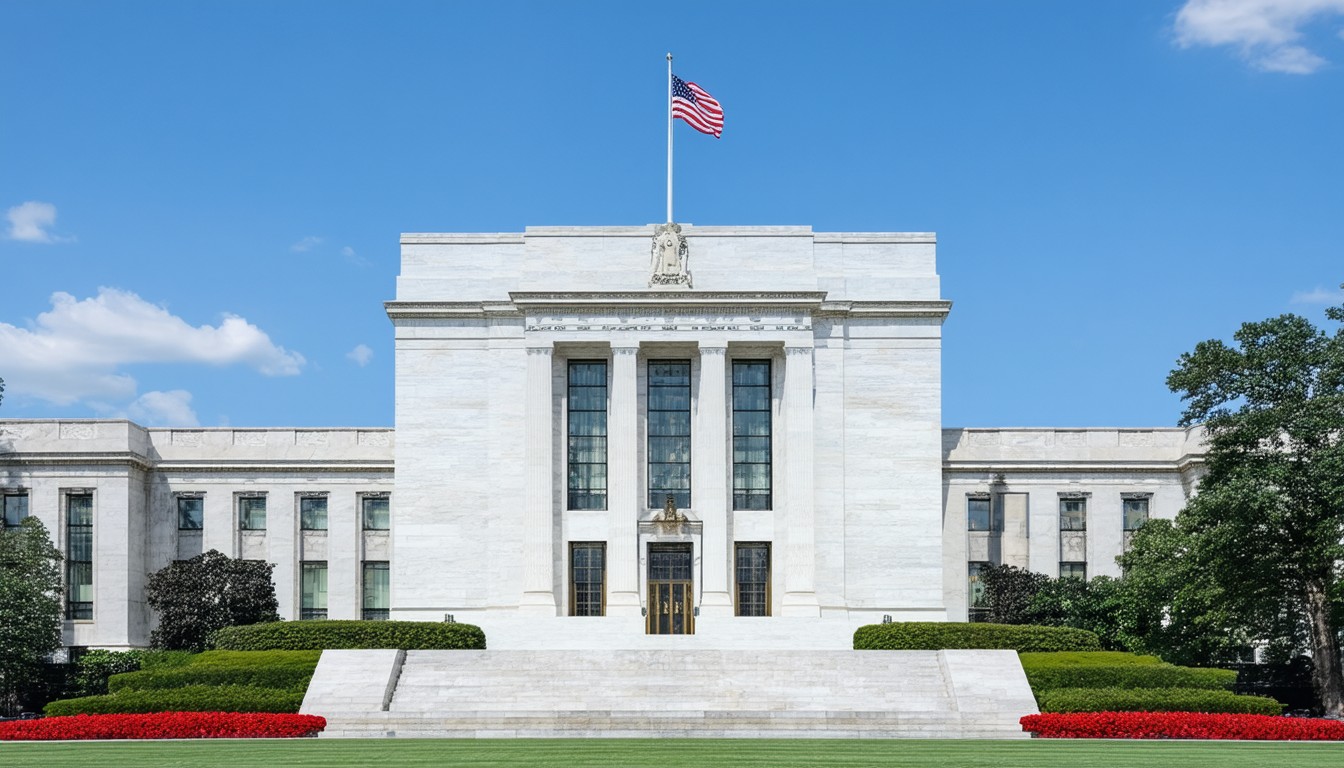


Explore the core functions, critical roles, and far-reaching impact of the US Treasury on the American economy. Uncover how this vital institution shapes fiscal policy, manages public debt, and ensures financial stability in the United States.
Understanding the US Treasury: Backbone of the US Economy
The United States Treasury stands at the heart of the nation’s fiscal management and economic stability. As one of the oldest federal institutions, its influence extends from everyday financial operations to guiding the country through economic crises. More than just a government department, the US Treasury serves as the nation’s fiscal agent, ensuring that complex mechanisms such as public debt issuance, tax collection, and economic sanctions operate smoothly. Its legacy and ongoing responsibilities have evolved alongside the modern economy, cementing its role in both domestic affairs and international finance.
Core Functions of the US Treasury
Managing Federal Revenue and Expenditure
The US Treasury’s foundational responsibility is overseeing the flow of government funds. Through the Internal Revenue Service (IRS), the Treasury collects taxes and other revenues. These funds are then allocated to pay for public services, federal employees, defense expenditures, and social programs. This financial stewardship is essential for maintaining governmental operations and supporting national priorities.
In addition to collecting revenue, the Treasury disburses payments for federal obligations. The Bureau of the Fiscal Service plays a key role here, handling trillions of dollars in transactions annually. During high-stakes periods, such as the COVID-19 pandemic, the Treasury managed the distribution of stimulus checks, highlighting its adaptability in times of crisis.
Issuing and Managing Public Debt
One of the most cited functions of the US Treasury is managing the national debt. The department issues Treasury securities—including bills, notes, and bonds—to finance government operations when tax revenues fall short. These instruments are considered among the safest investments worldwide, reflecting the US government’s creditworthiness.
The Federal Reserve purchases and sells Treasury securities as part of monetary policy operations, directly affecting liquidity in the banking system. The yield on these securities, particularly the 10-year Treasury note, is closely watched by global markets as a benchmark for borrowing costs:
“US Treasury securities underpin the entire financial system. Their stability ensures confidence not only in government finances, but also in banks, pensions, and institutional investments.”
— Dr. Michael Klein, Professor of International Economics
Monitoring Financial Institutions and Combating Illicit Finance
The Treasury also plays a pivotal regulatory and enforcement role through its Office of the Comptroller of the Currency (OCC) and the Financial Crimes Enforcement Network (FinCEN). These agencies supervise national banks, enforce anti-money laundering laws, and help disrupt terrorist financing. In recent years, with the rise of digital assets and fintech, the Treasury has increasingly prioritized cybersecurity and financial transparency.
The Role of the US Treasury in Shaping Fiscal Policy
Advising the White House and Congress
The Treasury Secretary is a principal economic advisor to the President and a frequent witness in congressional hearings. By analyzing economic data and modeling policy impacts, Treasury officials help shape legislative decisions on issues ranging from taxation to stimulus spending.
During times of upheaval—such as the 2008 financial crisis—the Treasury partnered with the Federal Reserve to launch emergency lending programs and stabilize banks. Historical examples, like the Troubled Asset Relief Program (TARP), underscore the Treasury’s ability to act swiftly and decisively. These interventions, although at times controversial, have been credited with preventing deeper recessions and restoring public confidence.
Overseeing International Economic Policy
Beyond domestic responsibilities, the Treasury represents US interests in global financial forums such as the G7, G20, and International Monetary Fund. The department negotiates sanctions, influences exchange rates, and works to combat global tax evasion. Its actions—like imposing sanctions on foreign governments—carry significant geopolitical weight and can influence the international balance of power.
Impact of the US Treasury on Economic Stability
Anchoring the Financial System
The issuance and management of Treasury securities don’t just fund the government—they also provide the financial instruments that underpin lending rates, insurance contracts, and private portfolios. Stability in the Treasury market is essential for low borrowing costs and consistent capital flows.
For instance, during periods of market uncertainty, investors flock to Treasuries as a “safe haven,” underscoring their critical role in wealth preservation and risk management.
Crisis Management and Economic Interventions
Perhaps nowhere is the impact of the US Treasury more apparent than during national emergencies. During the COVID-19 pandemic, the Treasury administered relief to individuals, small businesses, and states—deploying resources in record time. Similarly, in 2008, vast sums were marshaled to backstop the banking industry, an action seen as essential to preventing further collapse.
Yet, these interventions also spark policy debate about the appropriate size and scope of government involvement. Critics often raise concerns about long-term debt accumulation and the risk of “moral hazard.” Balancing immediate economic needs with fiscal discipline remains a central challenge for Treasury officials.
Influencing Confidence and Economic Outlook
The US Treasury’s policies are closely watched by rating agencies, investors, and international partners. Its ability to manage public debt, oversee spending, and maintain transparency are factored into America’s credit rating—a benchmark for investment risk worldwide. Any perceived instability or brinkmanship, such as near-shutdowns over the debt ceiling, can ripple through global markets.
The Future: Challenges and Strategic Considerations
As the global economic landscape shifts, the US Treasury faces new challenges. Digital currencies, cybersecurity threats, and an increasingly multipolar world demand adaptation. The push for greater financial inclusion, sustainable finance, and climate resilience are also shaping the department’s agenda.
Ongoing commitments to transparency, technological modernization, and interagency cooperation are likely to remain at the forefront. The Treasury’s response to these trends will shape not only the US economy but also broader international financial dynamics.
Conclusion
The US Treasury’s influence spans far beyond budget spreadsheets and bond auctions. It is a central pillar in safeguarding financial stability, managing risk, and ensuring the government’s capacity to serve its citizens. As new challenges emerge—from global crises to digital disruptions—the Treasury’s adaptability and expertise remain crucial assets for the United States.
FAQs
What are the main roles of the US Treasury?
The US Treasury collects government revenue, manages federal spending, issues public debt, regulates certain financial institutions, and advises on domestic and international economic policy.
Why are US Treasury securities considered safe investments?
Treasury securities are backed by the full faith and credit of the US government, making them highly reliable and low-risk compared to most other assets.
How does the Treasury respond to economic crises?
In emergencies, the Treasury disburses funds to individuals and businesses, stabilizes financial institutions, and works closely with other agencies to restore economic confidence.
What impact do Treasury decisions have on global markets?
Treasury policies influence interest rates, global investment flows, and economic stability; actions taken by the US Treasury are closely followed by international investors and governments.
Who oversees the US Treasury?
The department is led by the Secretary of the Treasury, a Cabinet-level official appointed by the President and confirmed by the Senate.
How does the US Treasury interact with other government agencies?
The Treasury collaborates with federal, state, and international agencies to enforce laws, craft fiscal policy, and manage the broader economic strategy of the government.