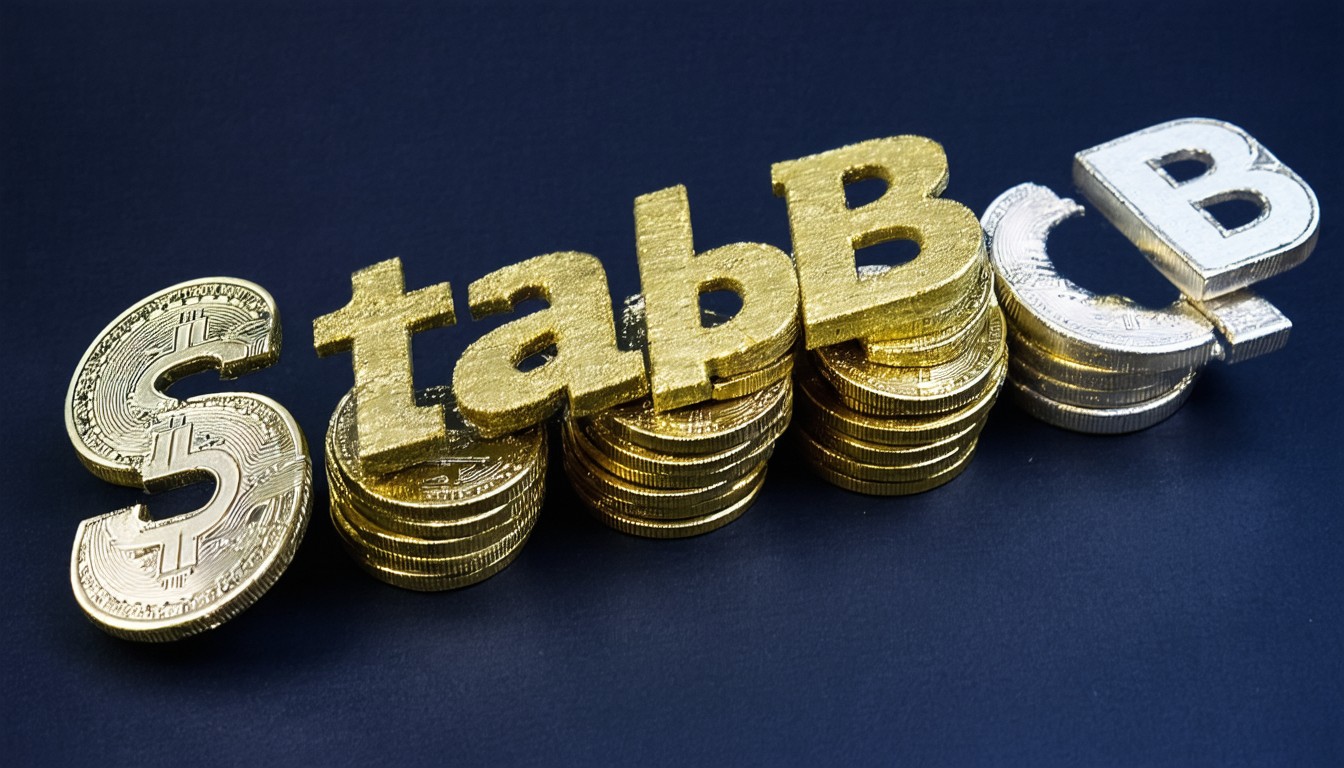



As the digital asset ecosystem expands, stablecoins have become a foundational pillar within crypto finance. Among these, USDC—USD Coin—stands out for its commitment to security, transparency, and reliability. Developed collaboratively by Circle and Coinbase under the CENTRE Consortium, USDC functions as a fully-backed digital dollar. It is designed to minimize volatility common in cryptocurrencies like Bitcoin and Ethereum, providing users and institutions with a dependable on-ramp to blockchain-powered transactions.
Increasingly, traditional businesses, fintech startups, and individual users are integrating USDC into everything from cross-border payments to treasury management. With regulatory scrutiny tightening worldwide, USDC’s operational transparency and robust compliance focus make it a trusted choice for entities seeking regulatory-friendly exposure to digital dollars.
The Foundational Principles: Security, Transparency, and Reliability
At its core, USDC is pegged 1:1 to the US Dollar, meaning each token in circulation is backed by a corresponding dollar or equivalent reserve. These reserves primarily consist of cash and short-duration U.S. Treasury bonds, which are immune to much of the volatility that plagues crypto markets.
How USDC Maintains Trust Through Reserves
Circle, the principal operator, publicly attests to the composition and adequacy of USDC reserves. Third-party assurance firms regularly audit the balance, offering monthly reserve attestations. This means that holders can verify that each USDC is redeemable for one US Dollar, a critical differentiator from earlier, less-transparent stablecoin models.
“Transparency is not just a feature; it’s an imperative. By providing ongoing, independent attestations, USDC sets a standard other stablecoins can aspire to.”
— Blockchain assurance analyst, commenting in a 2023 Reuters interview
Reliability for day-to-day usage comes from this rigorous operational standard. Even during market stress—such as the 2023 regional banking turmoil—USDC quickly published details of exposure, maintained public communications, and restored its dollar peg swiftly, minimizing user impact.
Real-World Use Cases: From Payments to DeFi
USDC in Business Operations
For businesses, USDC offers instant settlement and reduced transaction costs compared to traditional money wires or card payments. Global e-commerce platforms have adopted USDC to streamline international payouts, bypassing the complexities of cross-border banking.
- Case in point: Shopify-enabled merchants in select markets can now accept USDC payments, ensuring near-instant access to digital dollars and avoiding traditional banking delays.
USDC Powering Decentralized Finance
In DeFi, USDC is a preferred collateral and trading asset due to its liquidity and predictable value. Platforms like Aave and Compound accept USDC deposits for lending, offering users the ability to earn yields or access crypto-backed loans with significantly less price risk than volatile assets.
- Scenario: A freelancer in Europe invoices a client in the US. The client pays in USDC; the freelancer receives funds immediately, can spend or lend via DeFi, or convert to their local currency with minimal fees.
Beyond this, USDC is vital in NFT marketplaces, remittance corridors, and as a layer for programmable payments in Web3 applications.
Regulatory Context and Compliance Measures
Navigating the regulatory landscape is critical for stablecoins, and USDC’s credibility draws partly from its proactive compliance stance. Circle adheres to all applicable US money transmission laws, employs rigorous Know Your Customer (KYC) and Anti-Money Laundering (AML) protocols, and transparently collaborates with regulators.
Regulatory Developments and USDC’s Position
As US authorities and global policymakers debate stablecoin frameworks, USDC’s consistent reserve disclosures and licensed operations position it as a model for anticipated guidance. Unlike algorithmic stablecoins—whose pegs rely on code-based mechanisms open to market shocks—USDC’s full backing with highly liquid reserves makes it less controversial in regulatory discussions.
- The New York Department of Financial Services, for example, requires stablecoins issued under its oversight to maintain daily reserve audits and immediate redemption on demand—rules USDC satisfies in relevant jurisdictions.
Comparative Landscape: USDC Versus Other Stablecoins
Tether (USDT), the largest stablecoin by volume, has historically come under scrutiny due to questions about its reserves and periodic regulatory clashes. By contrast, USDC’s transparency and focus on regulatory alignment have given it significant adoption among fintechs, institutional players, and DeFi protocols.
Strengths of USDC
- Transparency: Regular audited attestations.
- Regulatory readiness: Licensed in major US states, strong KYC/AML frameworks.
- Interoperability: Available across major blockchains including Ethereum, Solana, and Avalanche.
- Brand trust: Backed by prominent US companies Circle and Coinbase.
Potential Drawbacks
While USDC minimizes volatility, it does not offer the anonymity or censorship resistance of fully decentralized assets. Like any tokenized dollar, it ultimately relies on the solvency and compliance of its issuer and subject to external regulatory dynamics.
The Future Outlook for USDC Stablecoin
With stablecoins at the heart of the growing tokenized finance sector, USDC is expanding beyond its original design. Projects are emerging to bring USDC to additional blockchain ecosystems and adapt its operational frameworks to evolving regulations. If central bank digital currencies (CBDCs) emerge on a broad scale, the role of privately issued stablecoins like USDC will adapt but is unlikely to diminish overnight given their established user and developer base.
As commerce, gaming, and banking innovate with digital dollars, USDC’s combination of speed, reliability, and transparency promises to keep it at the vanguard, even as the industry’s pace quickens.
Conclusion
USDC stablecoin embodies the advantages sought by modern digital finance: speed, cost-efficiency, and regulatory clarity. Its comprehensive transparency features and commitment to full-dollar backing have made it a cornerstone for both business operations and the emerging DeFi landscape. While ongoing regulatory and competitive pressures remain, USDC’s adherence to security and transparency positions it as a leading contender in the stablecoin sector. Those seeking to engage in digital dollar transactions—whether for international trade, fintech innovation, or decentralized finance—are likely to find USDC offers a uniquely reliable foundation.
FAQs
What is USDC stablecoin?
USDC (USD Coin) is a digital stablecoin pegged to the US Dollar, meaning each token is backed by a real dollar or equivalent held in reserve. It is widely used for payments, trading, and decentralized finance applications.
How does USDC maintain its dollar peg?
Each USDC issued is backed by cash and short-term US Treasuries, with balance reports and third-party attestations released monthly. This ensures holders can confidently redeem USDC for one US dollar at any time.
Where can USDC be used?
USDC is accepted by many crypto exchanges, global e-commerce stores, DeFi lending platforms, and payment processors. It is also supported across multiple major blockchains, increasing its utility for various applications.
Is USDC regulated?
USDC follows US money transmission regulations and complies with KYC/AML requirements. Its issuers work closely with state and federal authorities to ensure ongoing adherence to financial laws and best practices.
How is USDC different from Tether (USDT)?
While both USDC and USDT are major stablecoins, USDC emphasizes transparency through regular audits and operates with stricter regulatory oversight. This has made it a leading choice for businesses and compliant financial applications.