


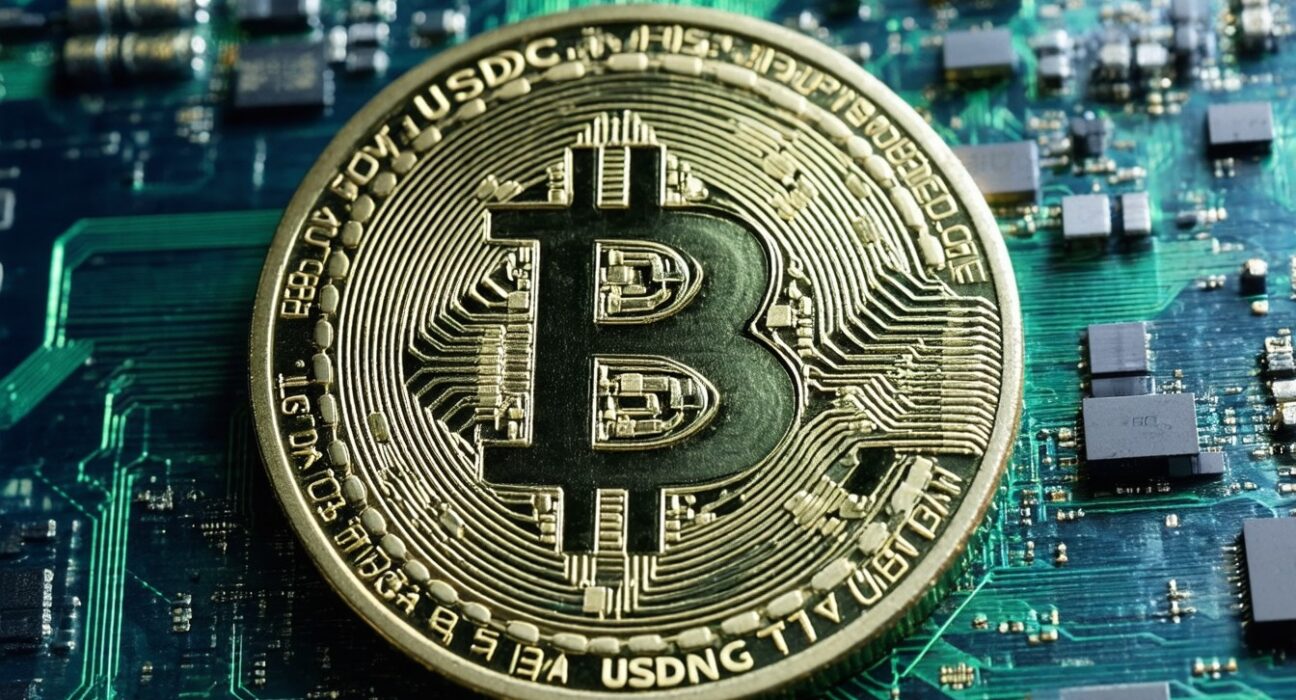
The rise of digital assets has transformed how people, businesses, and institutions transfer value worldwide. Among the biggest innovations is the stablecoin—cryptocurrencies designed to maintain a stable price. Standing out in this category is USD Coin, better known as USDC. In an industry often marked by volatility, USDC has emerged as a foundational piece of digital finance, sitting at the crossroads of innovation, stability, and global commerce.
What Is USDC? Origins and Core Principles
USDC is a type of stablecoin pegged 1:1 to the US dollar. Launched in 2018 by the Centre Consortium—a joint initiative between Circle and Coinbase—USDC’s primary goal is to offer a digital dollar that is both accessible and transparent. For every USDC issued, a corresponding US dollar or equivalent reserve asset is held in custody, which is attested to by independent auditing firms.
Unlike traditional cryptocurrencies such as Bitcoin or Ethereum, whose prices frequently fluctuate, USDC’s value is designed to remain stable. This stability comes from its unique structure:
- Full Reserve Backing: Every USDC is redeemable for one US dollar.
- Regulatory Alignment: Issuers comply with US money transmission laws and are subject to regulated financial safeguards.
- Transparency: Regular attestations from reputable accounting firms help build trust and confidence among users.
In this sense, USDC bridges the gap between traditional finance and the fast-moving world of blockchain technology.
How USDC Works: Technology and Trust
Smart Contracts and Blockchain Integration
USDC operates as an ERC-20 token on the Ethereum blockchain but is also available on other platforms like Solana, Algorand, and Stellar. These smart contract-based systems automate processes such as issuance, transfers, and redemptions, reducing manual errors and counterparty risks.
Transfers happen within minutes—and sometimes seconds—enabling users anywhere in the world to move USDC 24/7, unconstrained by banking hours or international borders.
Auditing and Regulatory Oversight
Perhaps the most critical differentiator for USDC is its transparency. Centre publishes monthly attestations (not full audits) from top accounting firms, verifying that reserves fully back the outstanding supply.
“Trust in stablecoins depends on transparent, regular disclosures—without them, confidence and adoption falter,” says a leading blockchain compliance analyst.
This emphasis on trust and regulatory compliance is why USDC is often the preferred choice for businesses, fintech startups, and institutions exploring blockchain-based financial systems.
Use Cases: How and Where People Use USDC
Payments and Remittances
One of USDC’s most significant advantages is its use as a borderless payment tool. Businesses and freelancers now send or receive payments nearly instantly, sidestepping sluggish traditional banking networks and often avoiding hefty wire fees.
For example, an Argentinian developer working for a European company can receive USDC for completed work. They gain faster access to funds, and those funds maintain purchasing power despite local currency fluctuations.
Decentralized Finance (DeFi) and Yield Generation
USDC plays a crucial role in DeFi—the ecosystem of financial products and services built on public blockchains. Platforms such as Aave, Compound, and Uniswap have integrated USDC for lending, borrowing, and trading.
- Lending/Borrowing: Users can lend their USDC to earn interest, or borrow against it as collateral, all via automated smart contracts.
- Trading: With high liquidity, USDC is commonly paired against other cryptocurrencies, facilitating smoother and more predictable trading.
E-Commerce and Consumer Payments
Online merchants increasingly accept USDC for goods and services, especially in industries where traditional payments pose friction or high processing costs (e.g., international digital goods, gaming, or content platforms). This trend reflects a broader movement toward digital-native, programmable dollars in consumer commerce.
Institutional Settlements
Financial firms and institutions use USDC for faster settlements, particularly for cross-border transactions or as on-chain collateral. Recent partnerships between Circle and major international banks hint at a future where digital dollars streamline global money flows.
Benefits of USDC Over Alternatives
Stability and Security
Unlike algorithmic stablecoins, which have occasionally faced high-profile failures due to complex collateral models, USDC’s fiat-backed reserves offer predictable value and lower systemic risk.
Transparency and Compliance
USDC’s regular reserve attestations and regulatory engagement set it apart from many competitors. These practices mitigate trust issues that have impacted the adoption of other stablecoins.
Interoperability
USDC’s presence on multiple blockchains makes it highly adaptable, ensuring that users and apps across the crypto ecosystem can easily interact with the digital dollar.
High Liquidity
Owing to its strong market adoption, USDC is one of the most traded stablecoins worldwide, with billions of tokens in circulation and broad integration across wallets and exchanges.
Key Challenges and Criticisms
Despite its strengths, USDC is not without challenges. Regulatory changes in the US or abroad could impact issuance and acceptance. Centralization—since Circle and its partners control USDC’s minting and burning—remains a sticking point among decentralization advocates.
There have also been debates on the types of assets backing USDC, especially during periods of stress in the US banking system. However, compared to algorithmic stablecoins or those with opaque reserves, USDC’s approach remains one of the more conservative in the industry.
The Future of USDC and Stablecoins
As the digital economy expands, demand for stable, programmable digital assets will likely grow. USDC is positioning itself not just as an internet-native dollar, but as a long-term bridge between legacy finance and the decentralized, real-time economy.
Ongoing efforts to launch new blockchain integrations, improve audit standards, and build partnerships with banks and fintechs underscore the role USDC could play in bringing safe, widely trusted stablecoins to the mainstream. Its evolution will continue to reflect the delicate balance between innovation, stability, and regulatory adherence.
Conclusion
USDC has become a pillar in the digital asset landscape by offering transparency, stability, and regulatory alignment that appeals to businesses, institutions, and everyday users. Whether facilitating instant global payments, powering DeFi platforms, or enabling digital commerce, USDC’s role as a reliable, interoperable stablecoin is unmistakable. As the world edges closer to more integrated digital financial systems, USDC will remain a key player in shaping that future.
FAQs
What does USDC stand for?
USDC stands for USD Coin, a stablecoin pegged to the US dollar and meant to maintain a consistent value of one dollar per coin.
Is USDC fully backed by US dollars?
Each USDC in circulation is backed by dollar-denominated assets held in reserve by regulated financial institutions, with regular attestation reports published for transparency.
Can USDC be used outside the United States?
Absolutely—USDC is global and can be transferred or used by anyone with access to supported digital wallets or exchanges, regardless of geographic location.
How is USDC different from USDT (Tether)?
While both are dollar-pegged stablecoins, USDC is known for regular, transparent attestation of its reserves and stronger regulatory oversight, whereas USDT has faced criticism over its reserve transparency.
What risks should users consider with USDC?
Though generally viewed as low-risk compared to volatile cryptocurrencies, users should remain aware of potential regulatory changes and the centralized nature of USDC’s management.
Where can I buy or trade USDC?
USDC is widely available on most major cryptocurrency exchanges and many wallet platforms, making it easily accessible for trading and transfers.