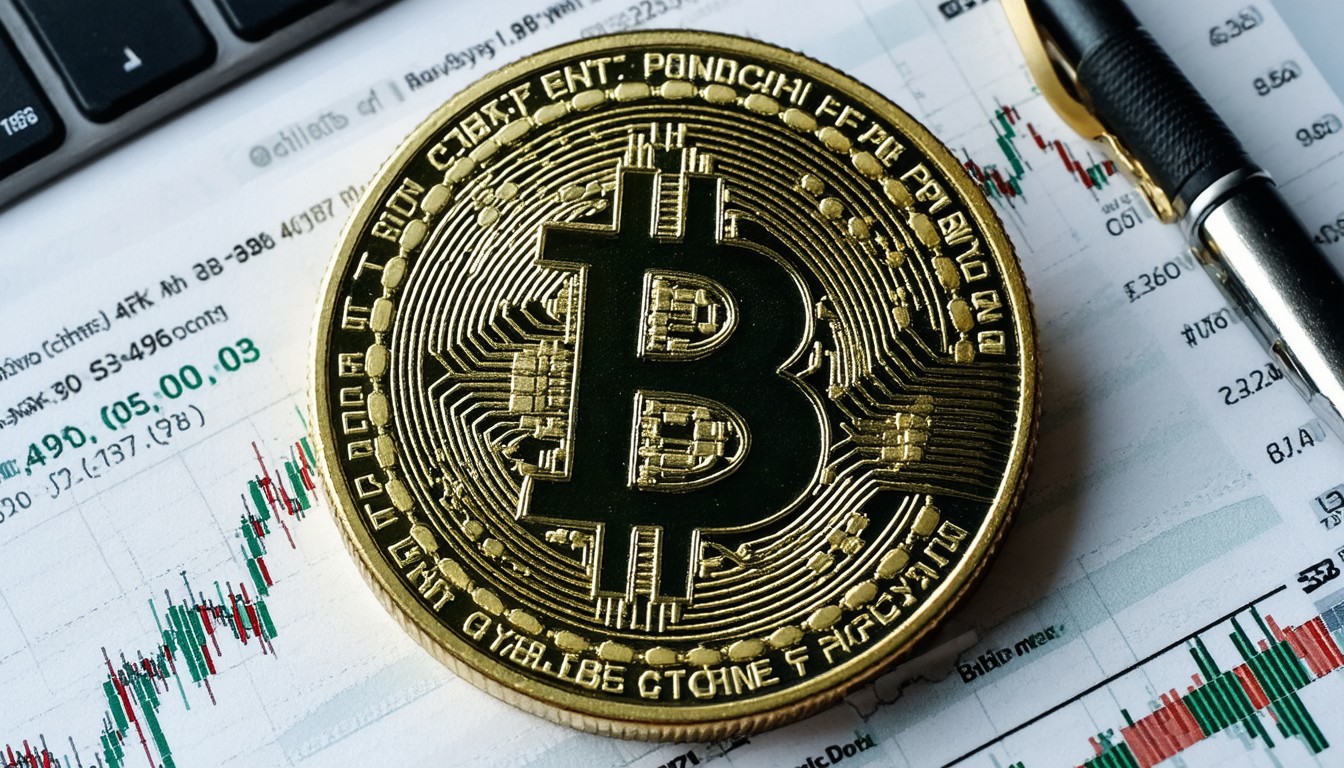



Cryptocurrency markets have once again captured the world’s attention as digital asset prices climb across the board. Bitcoin, Ethereum, and a host of altcoins have experienced double-digit growth in recent months, revitalizing headlines and sparking optimism among seasoned traders and newer investors alike. The familiar question reverberates through forums, social media channels, and mainstream financial analyses: why is crypto going up?
Several intertwined factors are fueling this rally, drawing on regulatory shifts, macroeconomic conditions, institutional activity, and critical advancements in blockchain technology. Understanding the current momentum requires not just a glance at the charts, but a deep look into the undercurrents driving market sentiment and liquidity.
Macroeconomic Tailwinds and Regulatory Clarity
Inflation Hedges and Shifting Monetary Policy
Mounting inflation concerns have pushed investors toward assets that historically offer a hedge against currency debasement. With central banks facing complex decisions about interest rates and stimulus withdrawal, uncertainty about fiat money’s future value has become widespread. For many, cryptocurrencies—especially Bitcoin—present a digital alternative to gold.
Recent shifts in U.S. Federal Reserve and European Central Bank policies have further accentuated this trend. While central banks balance tightening and maintaining liquidity, digital assets are increasingly viewed as insurance against unpredictable swings in traditional markets.
Regulatory Developments and ETF Approvals
A defining feature of this cycle’s surge has been the move toward clearer regulatory frameworks, particularly in major markets such as the United States and Europe. The approval of the first U.S. spot Bitcoin ETFs, after years of anticipation, has paved the way for mainstream investors to gain easy, regulated exposure to cryptocurrencies through familiar financial instruments.
“Regulatory clarity—and the added legitimacy of exchange-traded products—has lowered barriers to entry for institutions and retail investors alike,” notes a report from Galaxy Digital, highlighting the intersection of finance and technology as a key market catalyst.
This wave of ETF listings has delivered a fresh stream of capital, boosting trading volumes and lending greater legitimacy to crypto as an asset class.
Institutional Adoption and Market Infrastructure
Surging Investment from Traditional Players
Increasingly, traditional financial institutions are not only allocating capital to digital assets, but helping to shape market infrastructure. Major banks have launched custody services, asset managers are rolling out crypto funds, and leading brokerage platforms have enabled crypto trading for their clients.
BlackRock, Fidelity, and other heavyweight asset managers have pushed deeper into digital assets, providing credibility and confidence for more conservative investors. The knock-on effect is a broader, more stable base of capital that mitigates some of the volatility associated with previous surges.
Upgraded Liquidity and Financial Products
Beyond ETFs, innovations such as futures, options, and staking products now offer investors more ways to gain exposure and manage risk. More liquid, sophisticated markets have attracted participants who were previously wary of crypto’s price swings, supporting sustained upward movement rather than explosive bubbles.
As one investment strategist at a leading asset manager observed:
“The rise in crypto liquidity venues and the maturing market structure have fundamentally changed how investors view digital assets, bringing in capital that was once on the sidelines.”
Technological Advancements and Network Upgrades
Ethereum Scalability and Layer 2 Solutions
From a technical perspective, the crypto market in 2024 benefits from several successful upgrades to core blockchain platforms. Ethereum’s move to proof-of-stake, and the rapid progress in Layer 2 scaling solutions like Arbitrum and Optimism, have slashed transaction fees and improved speed. This has rejuvenated interest in decentralized finance (DeFi) and non-fungible tokens (NFTs)—ecosystems that previously struggled under congested networks.
Significant new protocols and cross-chain bridges also enhance interoperability, making it easier for users to move assets and data between chains. Such developments fuel new applications and encourage broader participation.
Adoption by Mainstream Brands and Enterprises
Major corporations and consumer brands have continued to experiment with blockchain—either through tokenization, digital identity initiatives, or acceptance of crypto payments. These moves serve not only as public endorsements, but as validation of blockchain’s practical potential.
For example, payment processors like PayPal and Visa have integrated crypto capabilities for millions of users. The result: everyday relevance for digital assets, drawing in users who might never have participated before.
Social, Sentiment, and Global Drivers
Changing Attitudes and Generational Shifts
Trends in user demographics reflect a generational handoff. Younger investors, digital natives, and those outside the reach of legacy banking systems increasingly view cryptocurrencies as not just speculative assets, but as tools for remittance, savings, and economic participation.
Rising awareness in developing economies—often facing currency instability or limited access to financial services—underpins strong organic demand. Social media, influencers, and viral narratives accelerate onboarding for these new cohorts, amplifying market movements in both directions.
International Events and Currency Devaluation
Geopolitical turmoil has played a nontrivial role. Sanctions, capital controls, and episodes of rapid currency devaluation in regions from Latin America to Asia have led populations to turn to crypto for stability and financial sovereignty.
Governments responding with central bank digital currencies (CBDCs) — and, in some cases, making overtures toward friendlier crypto policies — further stoke market confidence and bring regular headlines to the fore.
Conclusion: What Lies Ahead for Crypto’s Growth?
The upward momentum in cryptocurrency markets is rarely attributable to a single factor. Instead, the recent rally reflects a confluence of macroeconomic concerns, regulatory progress, institutional participation, and rapid technical innovation. Retail enthusiasm and changing attitudes toward digital ownership provide additional fuel, while global events often accelerate adoption in unexpected ways.
Sustained growth, however, will require continued maturation of market structure, responsible regulatory oversight, and resilient technology. For investors, staying informed and vigilant about both risks and opportunities is key—as this dynamic sector shows little sign of standing still.
FAQs
Why are cryptocurrencies rising in price right now?
A combination of recent regulatory clarity (such as ETF approvals), increased institutional participation, and ongoing technological improvements have brought renewed investor confidence and inflows, boosting prices across the major digital assets.
Does government regulation help or hinder crypto market growth?
Clear, supportive regulation often encourages participation by large financial institutions and mainstream investors, while vague or hostile policies can dampen confidence and slow adoption.
How do macroeconomic trends like inflation affect crypto’s value?
When investors fear fiat currency devaluation due to inflation or unstable economic policies, assets like Bitcoin are frequently seen as alternative stores of value, attracting new inflows to the crypto market.
What role do technological upgrades play in market rallies?
Upgrades—such as Ethereum’s shift to proof-of-stake and the rollout of Layer 2 solutions—make networks faster, cheaper, and more secure, driving greater usage and ecosystem growth that can lift asset prices.
Are institutional investors still wary of crypto?
While some skepticism remains, many traditional financial firms have entered the space, offering products and services that have made crypto more accessible and liquid than in earlier market cycles.
Can the current surge in crypto prices be sustained?
Sustained growth depends on a mix of continued adoption, responsible regulation, resilient tech, and broader macroeconomic conditions. Market volatility is likely, but structural changes point toward increasing maturity.