


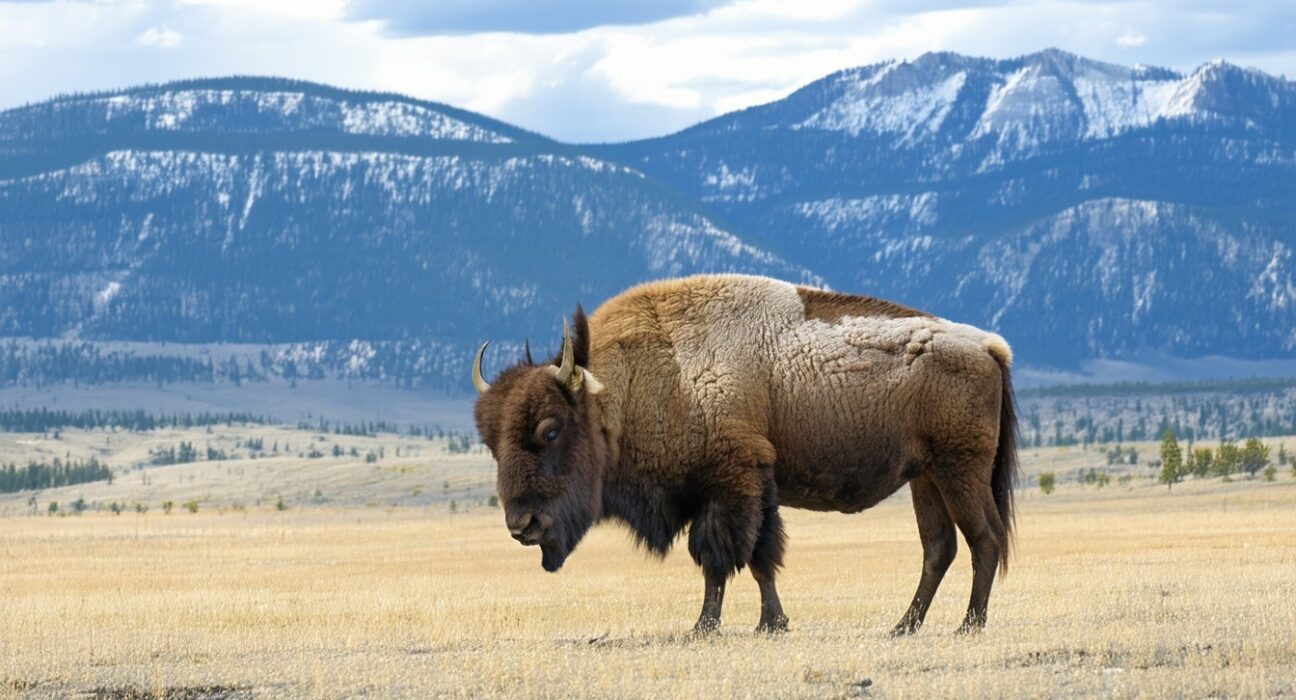
Wyoming is a land where untamed wilderness, legendary national parks, and wide-open skies converge to deliver an adventure like no other. Nestled in the heart of the American West, this state is often defined by its iconic landscapes—towering peaks, geothermal wonders, and sprawling plains teeming with wildlife. A journey through Wyoming is more than a standard vacation; it is a chance to tap into the soul of the frontier. Whether you’re drawn by the allure of Yellowstone’s geysers, the rugged romance of the Tetons, or the quiet beauty of lesser-known state parks, Wyoming’s natural wonders invite exploration, reflection, and awe.
Top Attractions in Wyoming: Iconic Sites and Hidden Gems
Yellowstone National Park: America’s First—and Most Famous—National Park
Established in 1872, Yellowstone National Park is indisputably Wyoming’s crown jewel. Stretching across nearly 2.2 million acres, it’s world-renowned for geothermal features like Old Faithful Geyser, the kaleidoscopic Grand Prismatic Spring, and a vast network of trails winding through forests, canyons, and rivers. Hundreds of animal species—bison, wolves, bears, and elk among them—roam the park’s varied habitats.
Yellowstone also serves as a living laboratory for researchers and an incomparable classroom for visitors. As noted by a leading park ranger:
“Yellowstone is more than just a park; it’s an ecosystem and a piece of living history. Every visit reveals new lessons about the power and fragility of nature.”
Beyond the main attractions, the park contains quieter corners like the Lamar Valley, often called “America’s Serengeti” for its rich wildlife viewing, especially at dawn and dusk.
Grand Teton National Park: Peaks, Reflections, and Alpine Lakes
Just south of Yellowstone, Grand Teton National Park stands tall with its dramatic skyline. The jagged Teton Range, topped by the 13,775-foot Grand Teton, is a magnet for hikers, climbers, and photographers. Visitors flock to hike Cascade Canyon, paddle serene Jenny Lake, or snap sunrise photos of the mountains mirrored in still waters.
The park is notably accessible, with scenic drives like the Teton Park Road offering constant mountain vistas and frequent wildlife sightings—moose, deer, and black bears are common in these parts.
Devil’s Tower National Monument: Legends Carved in Stone
In northeastern Wyoming, the monolithic Devil’s Tower rises 867 feet above the surrounding plains. Revered by Native American nations and featured in pop culture (famously, “Close Encounters of the Third Kind”), it’s a site for climbers and cultural travelers alike. Trails encircle the formation, revealing vistas over the Belle Fourche River and interpretive panels explaining its geological and cultural significance.
Authentic Western Towns: Cody, Jackson, and Beyond
Wyoming’s communities blend frontier history with modern flair. In Cody, founded by Buffalo Bill himself, the Buffalo Bill Center of the West provides a deep dive into the region’s Wild West heritage. Jackson, gateway to the Tetons, bustles with art galleries, local eateries, and the world-famous antler arch town square. During summer, Jackson transforms into a base for float trips along the Snake River or horseback adventures into the backcountry.
Wyoming’s State Parks and Recreation Areas: The Best Beyond the Nationals
While national parks get much of the attention, Wyoming’s state parks offer equally compelling outdoor experiences—often without the crowds. Hot Springs State Park in Thermopolis is renowned for its mineral-laden pools and iconic swinging bridge over the Bighorn River. The park’s namesake hot springs, among the largest in the world, are open year-round and free to the public.
Another gem, Boysen State Park, sits between the Wind River Canyon and the Owl Creek Mountains, making it a prime spot for boating, fishing, and camping. Here, anglers can catch walleye and trout, while wildlife enthusiasts may spot pronghorn antelope or eagles along the shorelines.
For those craving solitude, Sinks Canyon State Park near Lander features a unique geological phenomenon where the Popo Agie River disappears underground and resurfaces downstream. The park acts as a gateway to the rugged Wind River Range, celebrated by backpackers and rock climbers.
Outdoor Adventures: Hiking, Wildlife Watching, and Seasonal Activities
Hiking Trails for Every Level
Wyoming’s extensive trail networks traverse alpine peaks, meadows, and deep canyons. Notable routes include:
- Cascade Canyon Trail, Grand Teton National Park: A moderately strenuous hike offering jaw-dropping mountain views.
- Mount Washburn Trail, Yellowstone: Popular for panoramic overlooks and frequent bighorn sheep sightings.
- Medicine Bow Peak Loop, Medicine Bow National Forest: Challenging high-elevation hike with wildflower meadows and crystal-clear lakes.
For beginner hikers and families, the boardwalks of Yellowstone or lakeshore paths in Grand Teton provide accessible alternatives.
Exceptional Wildlife Encounters
Home to one of North America’s largest megafauna populations, Wyoming provides ample opportunities for wildlife observation. The National Elk Refuge near Jackson draws thousands of wintering elk each year, often visible via horse-drawn sleigh rides. Bison herds roam not only in Yellowstone but also in the prairie preserves such as the Terry Bison Ranch near Cheyenne.
Spring and fall migrations fill the skies with sandhill cranes and raptors, while pronghorn antelope—the fastest land animal in North America—can be spotted racing across the High Plains.
Year-Round Activities: Skiing to Stargazing
While summer and fall are considered prime seasons, Wyoming’s winters unlock a different set of adventures. Jackson Hole Mountain Resort ranks as one of the nation’s premier skiing destinations, attracting both powder hounds and après enthusiasts. Snowmobiling, dog sledding, and cross-country skiing are popular across regions like Togwotee Pass and the Bighorn Mountains.
Night skies in Wyoming remain spectacular regardless of season, thanks to low light pollution. The state has earned distinction among stargazers, with recommended spots including Grand Teton’s Snake River Overlook and the remote Red Desert.
Practical Tips: Planning Your Wyoming Getaway
When to Visit
Wyoming’s natural beauty changes dramatically with the seasons:
- Summer: Ideal for hiking, fishing, and full access to park trails, but also peak visitation.
- Fall: Crisp weather, changing aspen leaves, and fewer crowds; prime for wildlife watching.
- Winter: Opportunities for winter sports, fewer tourists, and festive Western events.
- Spring: Unpredictable weather, emerging wildlife, and wildflower blooms.
Getting Around
Most visitors rely on rental vehicles to access remote attractions. Major airports in Jackson, Cody, and Casper connect Wyoming to broader destinations, but expect scenic drives and the occasional wildlife-related traffic delay.
Staying Safe and Responsible
Wyoming’s wildness is part of its appeal, but requires preparation. Weather can shift unexpectedly, altitude demands hydration, and wildlife should always be observed from a safe distance. Following Leave No Trace principles ensures these spaces remain preserved for future explorers.
Conclusion: Why Wyoming Deserves a Spot on Every Traveler’s List
Wyoming stands apart for those seeking adventure, tranquility, and a deeper connection to America’s natural heritage. Its legendary parks, authentic Western culture, and endless opportunities for outdoor discovery make it a destination that invites return visits. From geysers to granite peaks and windswept plains, Wyoming’s sense of place is as powerful as it is unforgettable. For travelers ready to heed the call of the wild, few places offer such a poignant and profound experience.
FAQs
What are the must-see attractions in Wyoming?
Yellowstone and Grand Teton National Parks should top any itinerary, but also consider exploring Devil’s Tower, Hot Springs State Park, and the charming towns of Cody and Jackson for a broader experience.
When is the best time to visit Wyoming?
Summer and early fall offer the most accessible weather and open facilities, but winter unveils world-class skiing and unique festivals, while spring brings wildlife migrations and wildflowers.
Are there outdoor activities for all skill levels in Wyoming?
Absolutely—Wyoming has activities for everyone, from easy boardwalk hikes in the national parks to advanced mountaineering, as well as fishing, horseback riding, and winter sports.
How can I spot wildlife safely in Wyoming?
Observe animals from a safe distance (at least 25 yards for most wildlife, 100 yards for bears and wolves), carry binoculars, and never attempt to feed or approach wild animals.
Do I need special permits for outdoor recreation in Wyoming?
Some activities, like backcountry camping or fishing, require permits. Check with the specific park or area before you go to ensure compliance and availability.