

In a world where digital privacy is constantly under threat, the need for secure, anonymous transactions has never been stronger. Zcash Crypto emerged as an answer to growing concerns about how much users truly expose—even when they use major cryptocurrencies. Unlike Bitcoin or Ethereum, where transactions remain traceable on public blockchains, Zcash pushes privacy boundaries with advanced cryptography. It offers a compelling proposition: financial freedom and confidentiality, side by side.
From journalists protecting sources in restrictive regimes, to enterprises needing confidential payment rails, the diverse applications of Zcash spotlight its pivotal role in the evolving digital economy. Understanding how Zcash achieves privacy, its unique technology, and its controversies is essential for anyone tracking the next chapter of digital money.
The Foundation of Zcash: Privacy by Design
Zcash launched in late 2016, spearheaded by scientists and developers including Zooko Wilcox. Its core innovation lies in the introduction of zero-knowledge proofs—specifically, zk-SNARKs—allowing users to prove transactions’ validity without revealing sender, recipient, or amount. Every private Zcash transaction is mathematically verifiable, yet cryptographically shielded.
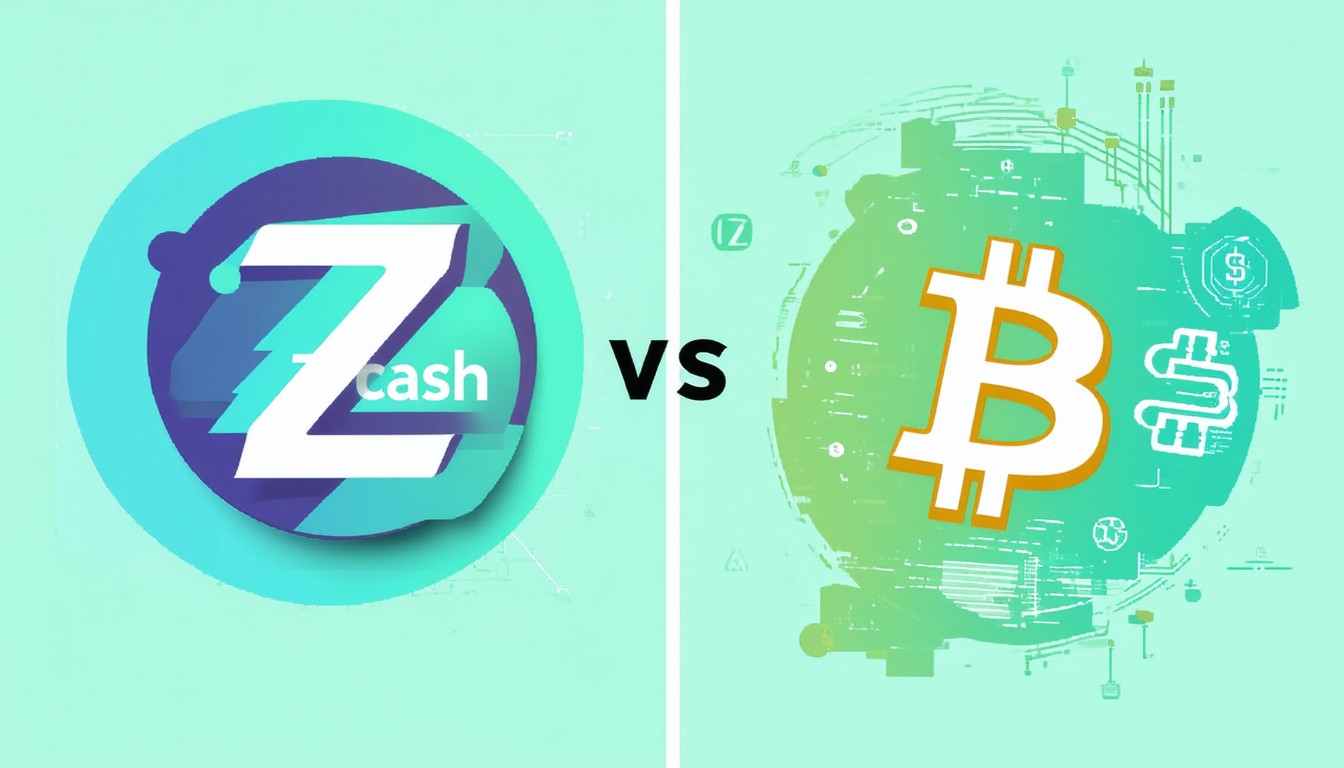
Key Differences: Zcash vs. Bitcoin
Although Zcash shares some technical DNA with Bitcoin, its privacy features set it apart:
- Transparent vs. Shielded Addresses: Zcash offers both; users can transact in a Bitcoin-like transparent mode, or use shielded (z-address) transactions for privacy.
- Optional Privacy: Not all Zcash transactions are private, providing flexibility uncommon in most privacy coins.
- Evolving Protocol: Regular cryptographic upgrades—like Sapling in 2018—have made shielded transactions faster and more efficient.
Experts highlight Zcash’s practical privacy applications:
“Zcash’s zero-knowledge technology represents a leap forward for financial confidentiality—users can transact with strong assurances that sensitive details remain private, even from network observers.”
— Dr. Joseph Bonneau, researcher in applied cryptography
How Zcash Crypto Enables Private Transactions
Zero-Knowledge Proofs: The Privacy Engine
The technical structure underpinning Zcash’s privacy is the use of zk-SNARKs (Zero-Knowledge Succinct Non-Interactive Argument of Knowledge). This complex cryptographic protocol lets one party prove to another that a transaction is valid, without sharing transaction data. The public blockchain still records an immutable ledger, but no third party can observe key details from shielded transfers.
Examples in Practice
Consider a company paying international contractors. Using transparent crypto or fiat, each payment exposes transaction amounts and recipients—data valuable to competitors or hackers. With shielded Zcash payments, only the counterparties see the full details, reducing business risk.
Similarly, individuals in high-surveillance jurisdictions can use Zcash to support causes or charities without risking exposure.
Privacy vs. Compliance
Zcash’s optional privacy strikes a balance between personal anonymity and regulatory expectations. Many exchanges list Zcash because transparent addresses facilitate AML (anti-money laundering) compliance, while those seeking privacy can opt for shielded transactions. On the other hand, some jurisdictions have delisted privacy coins—including Zcash—out of regulatory caution. This tension continues to shape Zcash’s adoption landscape.
Real-World Use Cases and Adoption Trends
Who Uses Zcash?
Zcash appeals to a spectrum of users:
- Journalists and activists: For securely receiving donations or payments away from prying eyes.
- Enterprises: Seeking confidential financial operations without fully sacrificing regulatory clarity.
- Everyday users: Concerned about personal privacy in an age of big data.
While Zcash’s total user base is difficult to measure given the technology’s privacy focus, shielded transactions have steadily increased over time, especially after technical upgrades improved performance. According to Electric Coin Company (the lead Zcash developer), the network has seen persistent double-digit growth in shielded transaction adoption year over year.
Industry Adoption and Partnerships
Major cryptocurrency exchanges such as Gemini and Binance have supported Zcash, though policies shift based on local regulations. Wallet developers, notably Shielded Guarda and Nighthawk, have integrated Zcash’s privacy features, making shielded payments accessible even on mobile devices.
Furthermore, academic and non-profit organizations have used Zcash for global aid disbursement without revealing recipient identities, supporting humanitarian objectives where privacy is critical.
Challenges and Controversies in Zcash’s Evolution
Regulatory Scrutiny
Despite its technical strengths, Zcash operates under the constant gaze of regulators. Some countries classify privacy coins as higher-risk instruments, and exchanges may delist Zcash to avoid potential enforcement actions. North American and European exchanges periodically review their privacy policy compliance, influencing Zcash’s availability.
Technical Complexity and User Experience
Historically, executing shielded transactions required substantial computing resources, making them impractical on most smartphones or lite wallets. Progress has been made—Zcash’s Sapling protocol was a milestone—but broader mass adoption hinges on making privacy both effortless and resource-light.
Incidents and Lessons Learned
Like most advanced protocols, Zcash has weathered software bugs and cryptographic vulnerabilities. To date, none have resulted in catastrophic breaches, but these incidents reinforce the importance of ongoing audits and improvement. Zcash’s open-source nature encourages academic review and transparent patching, which has served it well.
The Broader Impact of Zcash on Cryptocurrency Privacy
Shaping Industry Standards
Zcash’s pioneering zero-knowledge proofs have influenced the entire blockchain industry. Ethereum, for instance, has integrated zk-SNARKs in some scaling and privacy solutions. The pursuit of privacy coins sparked broader debates around user rights, compliance, and the future of money.
The Ongoing Debate: Privacy vs. Regulation
As new privacy-preserving protocols develop, the crypto community continues to negotiate the gray area between personal freedom and oversight. Zcash stands as a case study in engineering, governance, and policy—sometimes controversial, always innovative.
Conclusion: Zcash’s Lasting Value in a Transparent Era
Zcash Crypto occupies a unique space—offering users a genuine choice between transparent and fully private digital transactions. It balances privacy with technical and regulatory realities, shaping how many think about the future of digital cash. Whether for enterprises, activists, or privacy-focused individuals, Zcash’s blend of innovative cryptography and adaptability ensures its ongoing relevance.
As privacy issues grow in complexity and importance, Zcash’s influence on blockchain design, regulation, and discourse is set to endure. Keeping pace with Zcash’s developments means staying up-to-date with both technological progress and the shifting rules of the digital economy.
FAQs
What is Zcash and how does it differ from Bitcoin?
Zcash is a cryptocurrency that provides both transparent and fully shielded transactions, allowing users to choose privacy levels. Unlike Bitcoin, which has a fully transparent ledger, Zcash uses zero-knowledge proofs to keep transaction details confidential when desired.
Are Zcash transactions truly anonymous?
Shielded Zcash transactions are designed to be highly private, hiding sender, receiver, and transaction amount. However, privacy can depend on usage patterns; frequent use of transparent addresses can reduce anonymity.
Is Zcash legal to use?
Zcash itself is legal in most jurisdictions, but some exchanges or countries restrict privacy coins due to regulatory concerns. Always check local regulations before buying or using Zcash.
How can I store Zcash securely?
Zcash can be stored in a variety of wallets, such as hardware wallets or specialized apps supporting shielded addresses. For maximum privacy, use wallets that enable shielded transactions and secure your backup phrases.
What are the main risks of using privacy coins like Zcash?
Privacy coins, including Zcash, may face additional regulatory scrutiny, and some exchanges might limit support. There’s also the broader risk that evolving regulations could impact liquidity or availability. Always exercise due diligence when using privacy-focused assets.
How does Zcash impact the cryptocurrency industry?
Zcash has helped advance zero-knowledge cryptography and highlighted the importance of privacy in digital finance. Its innovations have influenced other blockchain projects and ongoing debates about balancing privacy with compliance.