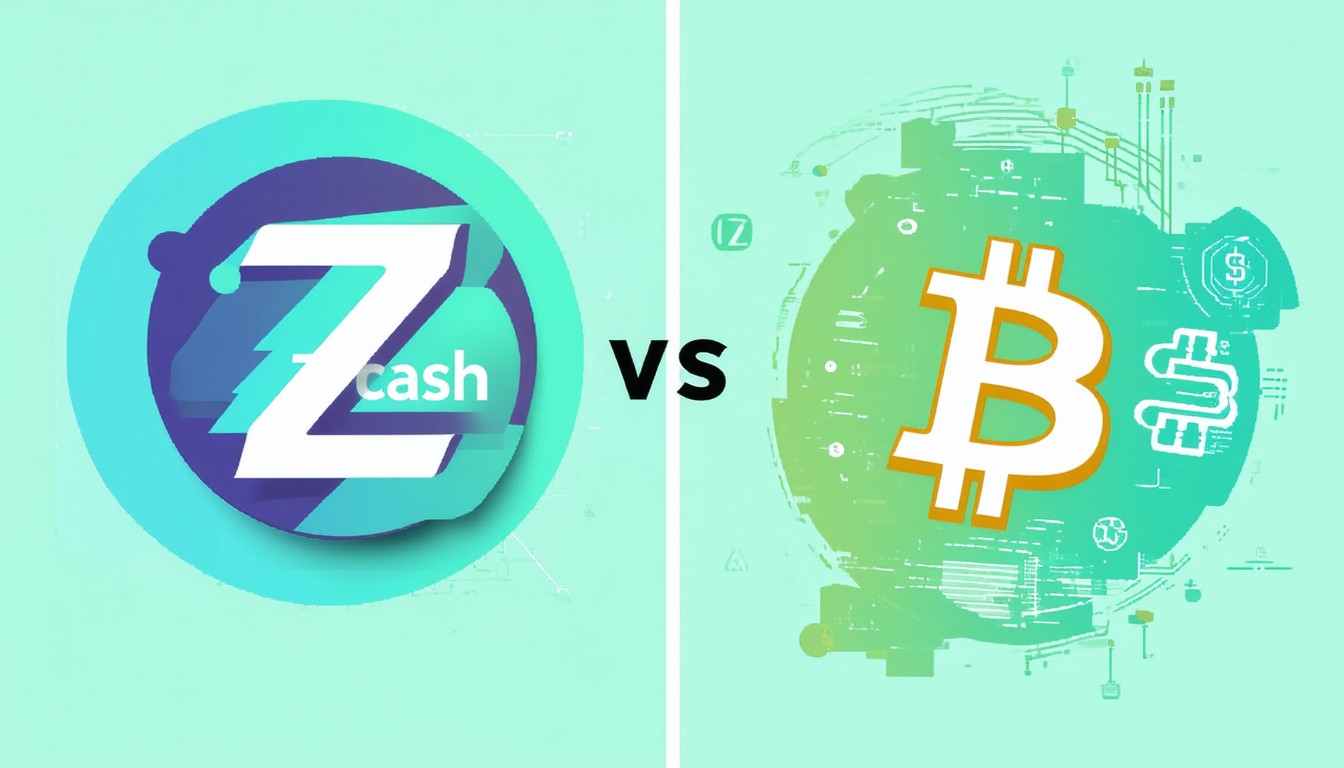



Cryptocurrencies have revolutionized how value is exchanged, enabling peer-to-peer digital transactions without intermediaries. Yet, transparency—a hallmark of most blockchains—can challenge the very notion of financial privacy. In a world where Bitcoin and Ethereum transactions are easily traceable, Zcash emerges as a response to the growing demand for confidential and secure financial interactions. Developed by cryptographers and privacy advocates, Zcash aims to provide a high level of anonymity while maintaining the decentralization and security hallmarks of blockchain technology.
How Zcash Works: The Foundation of Privacy
At its core, Zcash is built upon the same open-source principles as Bitcoin. However, its breakthrough lies in the use of advanced cryptography to shield transaction data.
Zero-Knowledge Proofs: The Science Behind Shielded Transactions
Zcash leverages a cryptographic technique called zero-knowledge proofs, specifically zk-SNARKs (Zero-Knowledge Succinct Non-Interactive Argument of Knowledge). This technology enables one party to prove to another that a statement is true—such as a transaction being valid—without revealing any details about the transaction itself.
In typical blockchains, transaction histories and wallet balances are visible to everyone. In contrast, Zcash allows users to opt between two transaction types:
– Transparent transactions: Similar to Bitcoin, with all data publicly visible.
– Shielded transactions: Conceal the sender, recipient, and transaction amount.
This dual approach grants users the flexibility to choose their level of privacy.
Balancing Transparency and Compliance
While financial privacy is a core value, Zcash architects recognized the need for optional disclosure to comply with regulations. Thus, users and organizations can selectively reveal transaction details for audits, compliance, or tax purposes—a feature appealing to enterprises and institutions looking for both privacy and accountability.
“Zcash’s selective disclosure capability is a significant innovation, letting users prove compliance without sacrificing the core promise of privacy.”
— Dr. Matthew Green, Cryptographer and Zcash Co-founder
Key Features: What Sets Zcash Apart
Strong Privacy Controls
The primary draw of Zcash lies in its privacy features. Shielded transactions prevent outside observers from linking addresses or tracing payments, a boon for users concerned about surveillance, competitive secrecy, or targeted attacks.
Robust Security and Decentralization
Zcash maintains decentralization by relying on a globally distributed set of miners and validating nodes, much like older cryptocurrencies. The consensus protocol (originally borrowed from Bitcoin) ensures that no single party can control the network or alter transaction history.
Fungibility
Unlike transparent blockchains, where coins may be “tainted” by their transaction history, Zcash’s shielded coins are indistinguishable from one another. This boosts fungibility—an essential trait for money—so that each unit is equal in value and acceptance.
Community and Ecosystem
The Zcash Foundation and Electric Coin Company steward the protocol’s development. Frequent network upgrades, known as “hard forks,” introduce enhanced privacy, performance, and user experience features. The project’s open governance and active community underscore its commitment to decentralization.
Real-World Use Cases: Privacy in Action
Personal Financial Privacy
For individuals in high-risk environments or those simply valuing confidentiality, Zcash provides a secure way to transact without public exposure. Journalists, activists, and business professionals have cited Zcash as a crucial tool for protecting sensitive interactions.
Corporate and Enterprise Adoption
Organizations handling intellectual property, customer data, or sensitive commercial dealings may utilize Zcash to prevent industrial espionage or maintain trade secrecy. Selective disclosure ensures companies can comply with regulations while guarding competitive intelligence.
Philanthropy and Charitable Giving
Privacy protects both recipients and donors. Charities can shield funding flows from prying eyes, safeguarding beneficiaries in threatened regions and enabling anonymous support for controversial causes.
Challenges and Criticisms: Striking a Balance in Privacy Tech
Adoption Hurdles
Despite technical promise, widespread adoption remains a challenge. Many exchanges and wallets still lack full support for shielded transactions due to regulatory ambiguity and technical integration complexity.
Regulatory Scrutiny
Zcash and similar privacy coins often attract the attention of regulators concerned about illicit finance. However, Zcash’s optional transparency and compliance tools have enabled it to maintain listings on regulated exchanges longer than some of its rivals.
Performance and Usability
In its early days, shielded transactions required significant computational resources, limiting accessibility. Ongoing upgrades have made privacy features lighter and more user-friendly, broadening participation.
The Future of Zcash: Innovation and Evolution
With blockchain privacy tech under increasing spotlight, Zcash continues investing in research and development. Forthcoming protocol upgrades seek to further reduce transaction costs, improve mobile support, and enhance interoperability with other networks like Ethereum.
Growing collaboration with academic and corporate partners signals Zcash’s intent to remain at the forefront of privacy innovation in cryptocurrency.
Conclusion: Zcash’s Role in the Cryptocurrency Landscape
Zcash occupies a unique space in the cryptocurrency world, demonstrating that privacy and compliance can, in fact, coexist. Its advanced use of zero-knowledge cryptography presents a compelling alternative for individuals and organizations valuing confidential transactions. As mainstream interest in privacy grows, and regulatory standards evolve, Zcash’s focus on selective disclosure and user control sets an important precedent for future digital money.
FAQs
What is Zcash primarily used for?
Zcash is primarily used for secure, privacy-focused digital payments. Its shielded transaction capabilities are especially valuable for users desiring confidentiality or compliance flexibility.
How does Zcash differ from Bitcoin?
While both are decentralized cryptocurrencies, Zcash introduces optional privacy through zero-knowledge proofs. This allows users to hide transaction details, unlike Bitcoin’s transparent ledger.
Is Zcash legal to use?
Zcash itself is legal in most jurisdictions. However, local regulations vary, and some exchanges may restrict privacy coins due to compliance concerns. Always verify your region’s rules before using it.
Can Zcash transactions be traced?
Transparent transactions on Zcash are traceable, but shielded transactions are not, due to advanced cryptographic protections. This ensures users can choose their desired privacy level.
Why might someone choose Zcash over other privacy coins?
Zcash combines strong privacy features with the flexibility to opt in to transparency when needed, making it suitable for both individual users and organizations with regulatory obligations.
Is it expensive to make shielded transactions on Zcash?
Earlier versions had higher computational costs for shielded transactions, but recent upgrades have improved efficiency. Today, using shielded transactions is much more accessible for everyday users.