

Mainstream cryptocurrency adoption has invariably sparked debate over privacy, transparency, and regulatory compliance. While many digital currencies—like Bitcoin and Ethereum—tout decentralization, transparency, and security, their transactions remain pseudonymous, not truly private. Zcash, a cryptocurrency founded by top cryptographers and launched in 2016, emerges as a significant alternative: a digital asset enabling secure, private, and primarily anonymous transactions, through pioneering cryptographic technology.
What Sets Zcash Apart: Core Technology and Philosophy
At the heart of Zcash’s innovation lies zk-SNARKs—a zero-knowledge cryptographic proof. This protocol enables transaction data (sender, receiver, and amount) to be encrypted while preserving the legitimacy of transactions on a public blockchain.
Shielded vs. Transparent Transactions
Zcash operates with two types of addresses:
- Transparent addresses (t-addresses): Operate much like Bitcoin, recording all transaction details publicly.
- Shielded addresses (z-addresses): Use zk-SNARKs to obscure transaction details, allowing for complete privacy.
Zcash users can mix and match these, with the ability to send either shielded or transparent transactions based on context and compliance needs.
The Ethos of Choice
Unlike some privacy-focused cryptocurrencies that enforce full privacy by default, Zcash prioritizes user choice. As Zooko Wilcox, Co-Founder and CEO of the Electric Coin Company, which powers Zcash, remarked:
“Privacy is not just for people with something to hide. Privacy is a fundamental human right, and it’s essential for things like freedom of speech, business negotiations, and security.”
This flexibility in privacy settings allows Zcash to serve use cases ranging from personal payments to corporate finance, and even regulatory-compliant disclosures when required.
Real-World Applications of Zcash’s Privacy
Digital privacy isn’t just a philosophical point—it carries substantial practical relevance. In regions with limited financial freedoms, activists and journalists have used privacy coins like Zcash to receive funding without fear of reprisal. Similarly, companies seeking to protect sensitive trade secrets—such as acquisition discussions or payroll data—can benefit from privacy guarantees not typically found in standard cryptocurrencies.
A notable use case unfolded in Latin America, where humanitarian organizations, wary of government monitoring, leveraged privacy-centric digital currencies for secure, confidential payments to recipients. Zcash’s shielded addresses offered both reliability and peace of mind, highlighting the currency’s practical value well beyond speculation.
Zcash in a Regulatory Landscape: Challenges and Adaptations
The conversation around privacy coins often draws regulatory scrutiny. While Zcash’s privacy features are undeniable, they have triggered debates in various jurisdictions. Some exchanges, particularly in Asia and Europe, have delisted privacy coins due to anti-money-laundering (AML) and know-your-customer (KYC) regulations. However, Zcash’s nuanced technical design—offering both transparent and shielded options—enables compliance for those willing to use the public transaction path.
In practice, a significant portion of Zcash transactions still occur on transparent addresses, partly due to exchange policies and wallet compatibility. This balance allows Zcash to remain viable in more closely-regulated environments where blanket anonymity is discouraged.
“The regulatory landscape for privacy coins is evolving. Zcash’s dual-address system offers a compromise: compliance for those who need it, privacy for those who seek it,” notes blockchain analyst Ela Wong.
Performance, Security and the User Experience
Speed and Cost
Shielded transactions on Zcash, once slower and more computationally intensive, have greatly improved following software updates and the growing maturity of the Sapling protocol upgrade. While privacy operations demand more resources than transparent ones, most modern wallets now manage Zcash’s shielded transactions efficiently. Transaction fees remain competitive with, and often lower than, other privacy coins, supporting wider adoption.
Wallets and Ecosystem Growth
Support for Zcash has broadened over time. Several major multi-currency wallets, such as Exodus and Coinomi, now integrate Zcash’s shielded features. Moreover, purpose-built wallets like ZecWallet provide advanced privacy controls, making secure and anonymous transactions accessible even to non-technical users.
Comparing Zcash to Other Privacy Coins
The privacy coin market is notably dynamic, featuring alternatives like Monero and Dash. Each has its own approach:
- Monero: Enforces privacy by default using ring signatures and stealth addresses, concealing sender, receiver, and amount in every transaction.
- Dash: Offers the PrivateSend feature, relying on transaction mixing rather than encryption.
Zcash’s approach is unique in two respects:
- It provides opt-in privacy through zero-knowledge proofs, rather than mandatory privacy or simple mixing.
- Features transparent transactions for enhanced exchange-support and regulatory maneuverability.
This balanced method enables Zcash to occupy a middle ground: robust privacy where mandated and seamless interoperability where regulations demand traceability.
Adoption Trends, Community, and Future Outlook
Despite headwinds from regulators and fluctuating mainstream sentiment, Zcash’s community remains resilient. Foundations, developers, and advocacy groups continue to invest in core protocol enhancements. The introduction of the Halo upgrade—which eliminates the need for trusted setups in zero-knowledge proofs—demonstrates the project’s ongoing technical evolution.
Looking ahead, Zcash leadership continues to push for broader adoption through network upgrades, increased scalability, and campaigns to increase shielded transaction usage. While some challenges persist, especially around exchange accessibility and regulatory alignment, Zcash’s commitment to privacy, security, and technological innovation signals a promising future.
Conclusion
As digital privacy concerns intensify on a global scale, Zcash stands out as a leading solution for secure, private, and choice-driven transactions. Its adoption of advanced cryptography, user-empowering design, and flexible privacy settings positions it uniquely in the crowded cryptocurrency market. For individuals and organizations seeking robust yet adaptable privacy, Zcash remains a compelling choice—balancing technological excellence with evolving regulatory demands.
FAQs
What is Zcash and how does it work?
Zcash is a cryptocurrency enabling users to make secure, private transactions. It utilizes zero-knowledge proofs (zk-SNARKs) to allow fully encrypted transaction data while remaining auditable on its public blockchain.
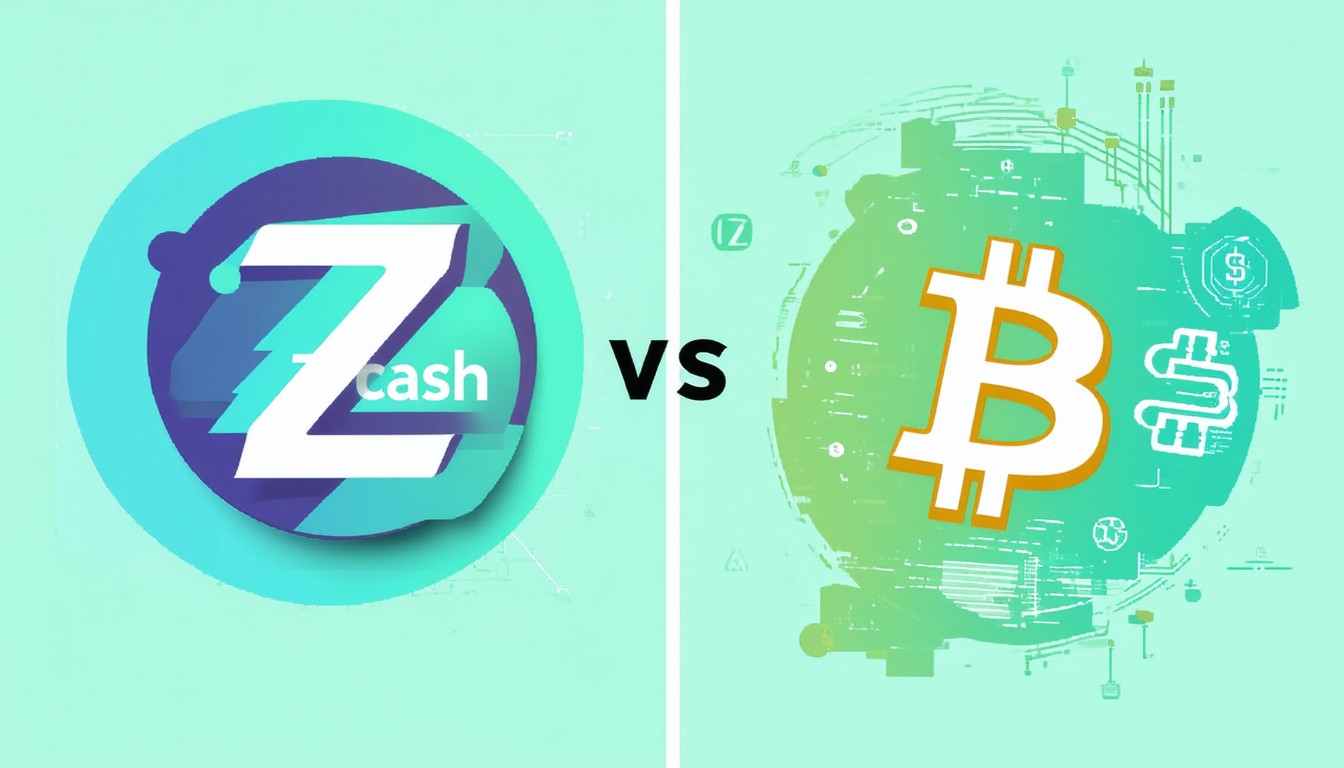
How is Zcash different from Bitcoin?
Unlike Bitcoin, whose transactions are completely transparent and traceable, Zcash offers both transparent and shielded (private) transactions, giving users direct control over their privacy level.
Is Zcash legal to use?
Zcash is legal in most countries, but privacy coins may face additional scrutiny or restrictions on some exchanges due to regulatory requirements concerning anonymous transactions.
Are Zcash transactions truly anonymous?
Shielded Zcash transactions offer strong privacy protection by concealing sender, recipient, and transaction amount information, with only proof of validity posted to the blockchain.
What wallets support Zcash’s privacy features?
Many wallets now support Zcash’s shielded transactions, including ZecWallet and several leading multi-currency platforms. However, not all wallets or exchanges support full privacy functionality.
Can Zcash be traced by law enforcement?
Transparent Zcash transactions are traceable like those on Bitcoin’s network, while shielded transactions offer robust privacy. However, metadata or patterns outside the blockchain may sometimes offer clues to investigators.